



Story by Memory Chamisa
EQUAL participation of women in politics, leadership and public life remains critical to achieving the United Nations Sustainable Development Goals (SDGs) by 2030, with global data highlighting persistent gender imbalances in decision-making structures.
Figures released by UN Women show that only 16 countries currently have a female Head of State, while 21 have a female Head of Government. Women also account for just 22.4 percent of Cabinet ministers globally, with only 14 countries achieving parity or near parity in ministerial positions.
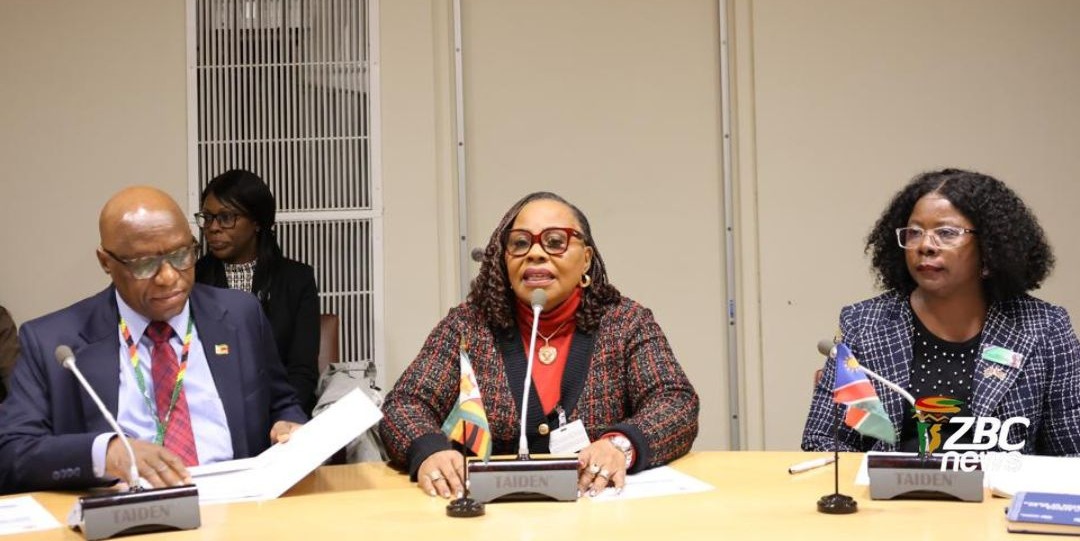
The findings were discussed at a Zimbabwe–Namibia joint side event on the margins of the Commission on the Status of Women 70th session in New York, where policymakers examined structural barriers to women’s leadership and pathways to gender equality.
Participants noted that while progress has been made, significant gaps remain, particularly in political representation and access to leadership roles.
In Zimbabwe, legislators say mechanisms such as the women’s quota system have contributed to incremental gains.
“Zimbabwe’s Parliamentary Women’s Caucus continues to push for more women’s seats in parliament, hence the women’s quota system was extended with another two years to allow women’s participation in parliament and council,” Zanu PF Women’s League Political Commissar Honourable Maybe Mbowa said.
“I was one of the young women who pushed for women’s representation in parliament through the quota system, which was enacted in 2024, and this has seen some changes in women’s participation in parliament, but though more still needs to be done,” Ghanaian legislator, Honourable Shyline Nkowe said.
“President Dr Emmerson Mnangagwa has been unwavering on women’s inclusion in the decision-making process, with him appointing several young women as Ministers and Deputy Ministers in his cabinet, which has brought a sense of balance in closing the generational divide,” Honourable Gertrude Mutandi said.
Balanced public service and political participation between women and men in decision-making is pertinent.
“The public service remains committed to ensuring that there is equal opportunity for employment and promotion for all women in government institutions and parastatals based on merit,” Secretary to Service Commissions in Zimbabwe, Mrs Sibusisiwe Zembe said.
“While most countries in the world have not achieved gender parity, gender quotas have substantially contributed to progress over the years. In countries with legislated candidate quotas, women’s representation is five percentage points and seven percentage points higher in parliaments and local government, respectively, compared to countries without such legislation,” Ms Penoshinge Shililifa, Deputy Director: Ministry of Gender Equality and Child Welfare Namibia said.
“Achieving 50:50 representation in leadership requires urgency and deliberate action. Only when women occupy leadership positions across all sectors of public life in significant numbers will the rights, needs, and interests of women and girls be fully integrated into public policy,” Deputy Chief Secretary Office of the President and Cabinet Reverend Paul Damasane said.
Women continue to demonstrate public office and political leadership, as witnessed by the recent election and appointments, not only in Zimbabwe and Namibia, but globally.
“Zimbabwe has made significant progress in establishing new legislation and strengthening existing laws to facilitate women’s participation in leadership and decision-making, while also reinforcing efforts to prevent and respond to gender-based violence. The Public Entities and Corporate Governance Act also provides for gender parity in the appointment of boards of state-owned enterprises.
“Zimbabwe has witnessed notable improvements in women’s participation in public life. We have achieved gender parity on boards of parastatals, and women now occupy key leadership positions such as President of the Senate and Deputy Speaker of Parliament. High-profile appointments, including that of a woman serving as Minister of Defence, further illustrate this progress. In the justice sector, women currently serve as Attorney General, Prosecutor General,” Minister of Women Affairs, Community, Small and Medium Enterprises Development Senator Monica Mutsvangwa said.
“For the first time in the history of Namibia, we have a female President and Vice President who is also the Secretary General for the party SWAPO. Namibia now ranks high in Africa in terms of women’s representation in Parliament and Public Office, but also globally. This has greatly increased our ability for women in decision-making processes and enactment of policies,” Executive Director: Ministry of Gender Equality and Child Welfare, Namibia, Ms Lydia Indombo said.
Balanced political participation and power-sharing between women and men in decision-making is the internationally agreed target set in the Beijing Declaration and Platform for Action.
While most countries in the world have not achieved gender parity, gender quotas have substantially contributed to progress over the years.

