



Story by Josephine Mugiyo, Diplomatic Correspondent
GOVERNMENT is set to introduce a raft of measures aimed at stabilising fuel prices, including increasing ethanol blending levels and reviewing fuel-related taxes, amid the Middle East conflict.
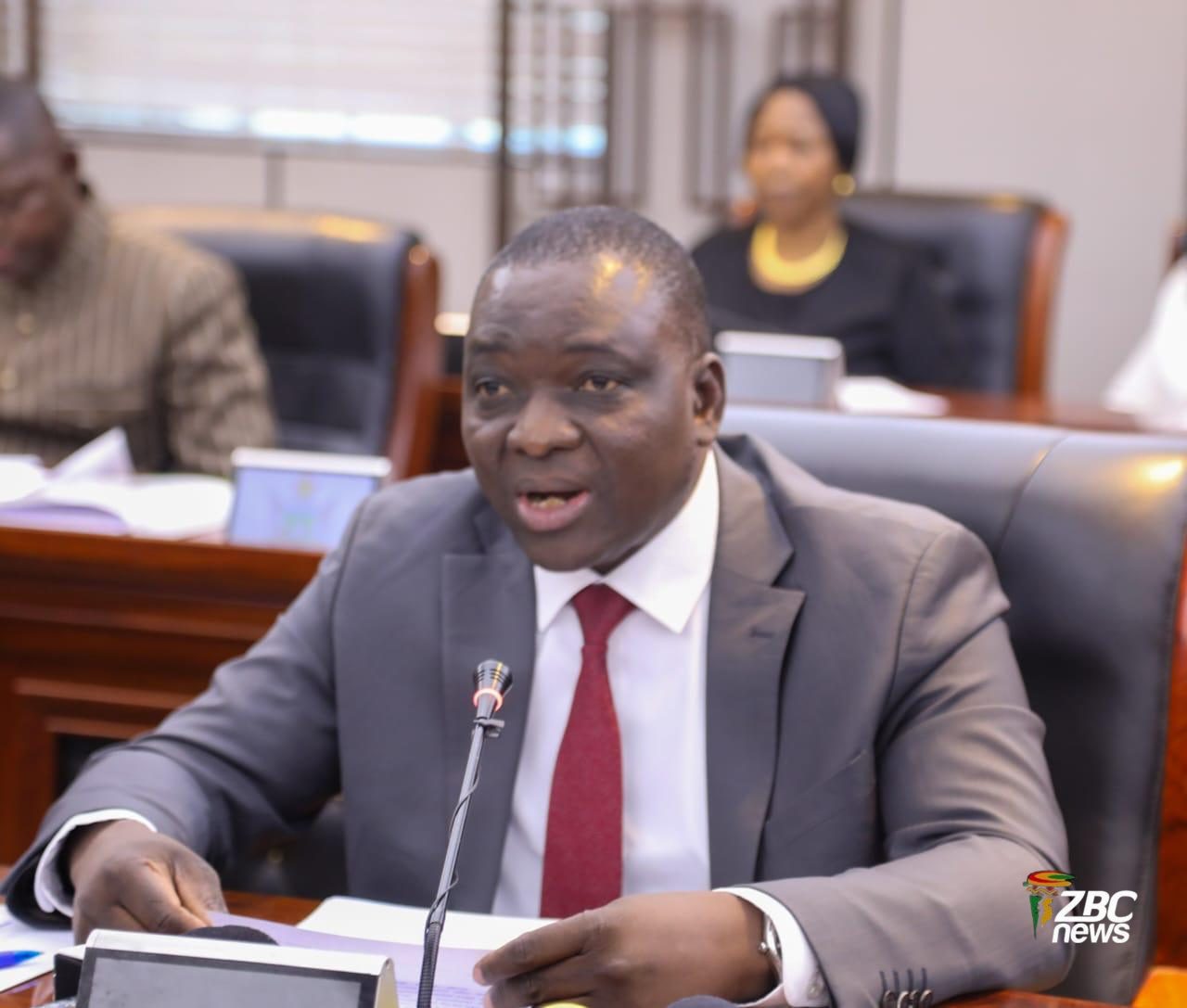
Speaking during a Post-Cabinet Media Briefing this Tuesday, the Minister of Information, Publicity and Broadcasting Services, Dr Zhemu Soda, said Government is considering raising the ethanol blending ratio from the current E5 to E20 in order to ease petrol prices on the local market.
“Appropriate refinements of the options are underway, and the necessary fuel price adjustments will be communicated in due course.”
The Minister of Finance, Economic Development and Investment Promotion, Professor Mthuli Ncube, said Government is prioritising fuel availability while exploring adjustments to import duties and taxes.
“We are looking at further fine-tuning and also looking at import duties and carbon taxes. We will be announcing in due time. We are also using the blending aspect and believe that, alone, can reduce prices. What is also important is making sure the fuel is available.”
Meanwhile, Government noted developments in the tobacco sector, where prices, which had initially been subdued at the start of the marketing season, are now beginning to firm.
The Minister of Lands, Agriculture, Fisheries, Water and Rural Development, Dr Anxious Masuka, said improved quality deliveries are expected to support price recovery.
“There is an expectation that prices will begin to firm. The prime quality is also being brought in now.”
Zimbabwe’s tobacco production has recorded significant growth over the past eight years. Output rose by 88 percent, from 189 million kilogrammes in 2017 to 354.8 million kilogrammes in 2025.
For the first time since the introduction of tobacco farming in 1895, growers earned a record US$1.2 billion in 2025.
The number of households involved in tobacco production increased by 37 percent, from 98 927 in 2017 to 135 284.
Average earnings per grower rose to US$9 986 in 2025, up from US$5 651 in 2017, placing many farmers within the upper-middle-income bracket.
Between 40 and 55 percent of tobacco growers are beneficiaries of the Land Reform Programme.
Participation by women and youths also increased by 12.34 percent and 62.63 percent respectively, between 2021 and 2025.
“Approximately 40 to 55% of tobacco growers benefited from the Land Reform Programme. Women and youth participation in tobacco production increased by 12.34% and 62.63%, respectively, between 2021 and 2025,” Dr Soda said.
On social issues, Cabinet also deliberated on the continued rise in drug and substance abuse, which remains a major concern across the country.
“The Inter-Ministerial Committee on the National Response to Drug and Substance Abuse has to date achieved significant progress in mitigating and ultimately eliminating the drug and substance abuse scourge in Zimbabwe,” Dr Soda said.
Chairperson of the National Committee on Drug and Substance Abuse, who is also the Minister of Defence, Honourable Oppah Muchinguri-Kashiri, said Government will ensure entry points for drugs are monitored.

