



Story by Providence Maraneli
RESIDENTS of Gwanda South are experiencing improved access to information and communication following government initiatives to expand infrastructure in rural areas.
The establishment of community radio stations and mobile base stations in previously marginalised communities has transformed connectivity for villages including Mlambapele, Mapate, Gungwe, Ntalale, and Tshongwe. Prior to these developments, residents relied on radio broadcasts from neighbouring Botswana and South Africa and often travelled long distances to access mobile networks.
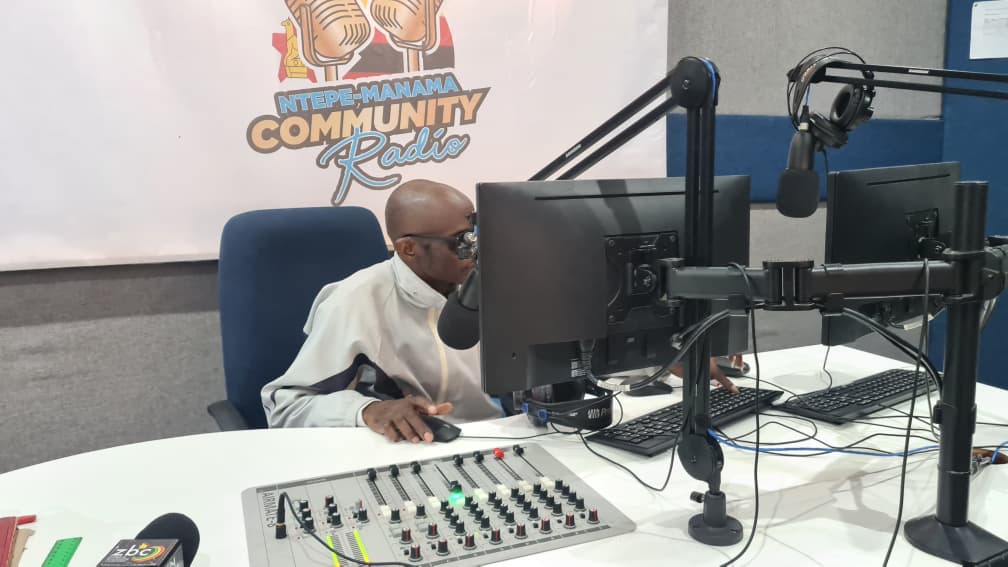
At Ntepe-Manama community radio station, a recent call-in programme illustrated the impact of these initiatives. Samson Mashabashi, a listener from Tshongwe village approximately 40 kilometres from Manama, expressed gratitude for the improved communication services.
“We are so grateful to the Government for establishing our community radio and mobile base station. It has made it easier for us to communicate, and we hardly miss any important event,” he said.
Other residents confirmed that access to mobile networks has eliminated the need for long trips to neighbouring countries for basic communication.
“Things have changed now; all the networks work here,” one resident said.
“We talk about development, livestock production, farming and cultural issues on our community radio.”
Milton Mashasha, another community member, highlighted the broader social impact.
“Access to information has become better. I receive calls from areas that I never imagined. People can now call, text, and interact freely.”
The initiative reflects government efforts to reduce the rural-urban information gap and underscores the role of connectivity in enabling economic and social development as Zimbabwe works towards its 2030 goal of becoming an upper-middle-income society.

