



Story by Bengani Ncube
Addressing the media in Nyanga, National AIDS Council (NAC) District AIDS Coordinator, Mr. Lawrence Munyama highlighted the district’s ongoing efforts to combat HIV/AIDS.
Nyanga, with a population of 146,282 (70,432 males and 75,850 females), has an HIV prevalence rate of 9.11% and an incidence rate of 0.14%.
Mr. Munyama noted that men have been reluctant to seek medical attention, prompting the need for greater male involvement in health initiatives.
In a recent Behavior Change Community initiative led by NAC, the importance of collective responsibility among men and families was emphasized as crucial for promoting responsible behavior and working towards ending HIV/AIDS by 2030.
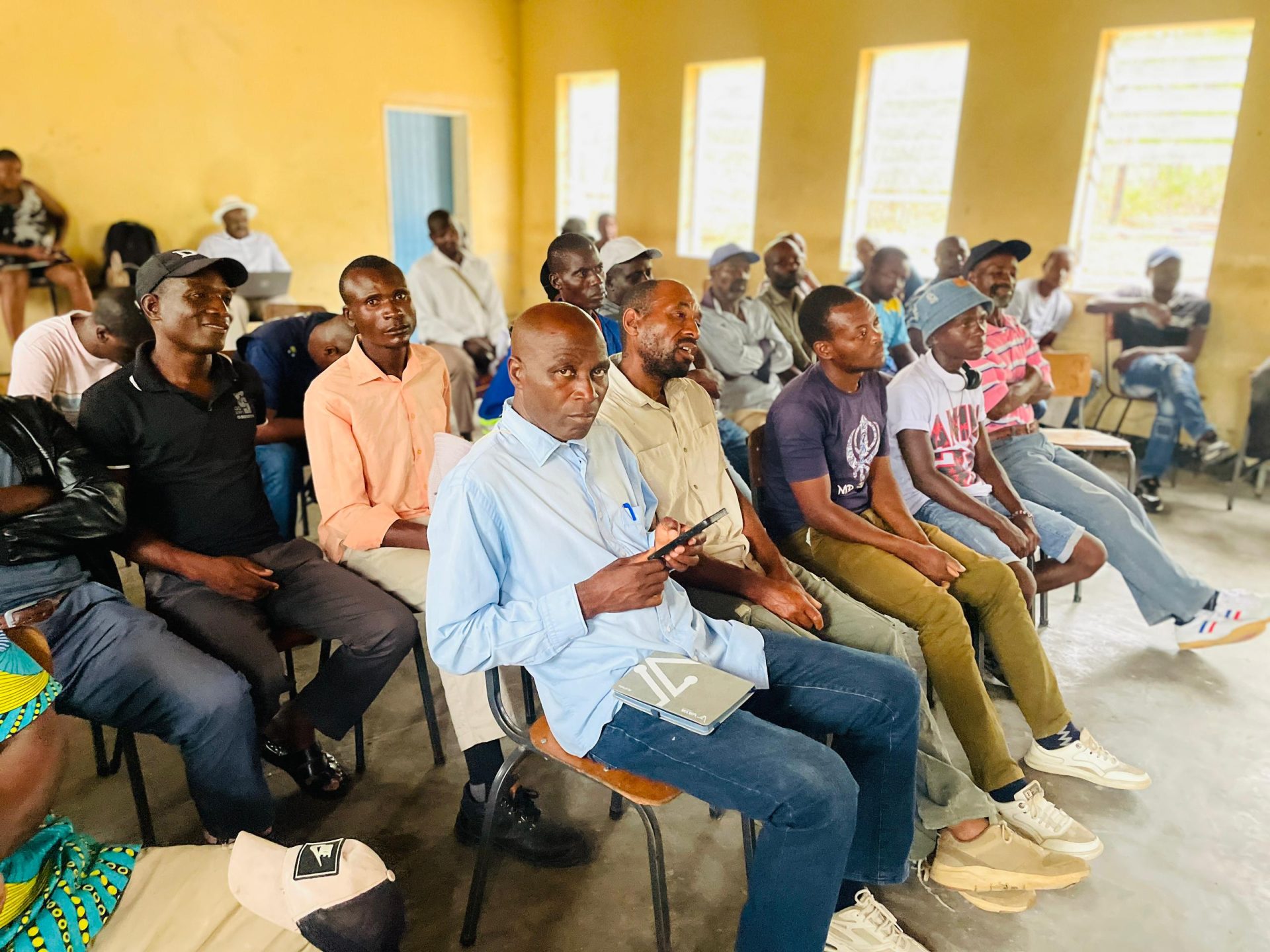
Ms. Machena Cecilia Kudakwashe, Behavior Change Community Motivator at Tabudirira Ward 14 at Kute Secondary School in Nyanga, spearheaded the initiative.
The programme brought together a group of men to discuss and address key issues impacting the spread of HIV.
During the meeting, participants identified gender-based violence as a significant factor fueling the pandemic and emphasized the need for transparency in relationships to foster healthier connections.
Men in attendance were also educated on the proper use of condoms, the importance of faithfulness to one partner, and the promotion of positive masculinity.
They were encouraged to adopt health-seeking behaviors and debunk harmful myths, such as the belief that having sex with minors can cure HIV, among other negative beliefs that contribute to the spread of the virus.
This initiative is part of NAC’s broader efforts to engage communities and create lasting change, with Zimbabwe making marked progress towards achieving the UN’s 95-95-95 targets three years ahead of schedule.
As part of their ongoing work, NAC organized a media tour for journalists in Manicaland to showcase their interventions and progress ahead of the World AIDS Day commemorations on December 1, 2024, at John Cowie Primary in Rusape.
The tour aims to keep journalists informed about the strides being made towards Zimbabwe’s goal of ending HIV/AIDS by 2030.

