



Story by Mercy Bofu-Matinha
PARLIAMENTARIANS have been challenged to be proficient in budget analysis, making it important for them to have a comprehensive understanding of the Public Finance Management framework.
A two-day capacity building training workshop for three Parliamentary Portfolio Committees focusing on Health and Child Care, Lands, Agriculture, Water, Fisheries and Rural Development, and Tourism and Hospitality Industry has been held in Masvingo.
The capacity-building workshop focused on public finance management, budget processes, and analysis.
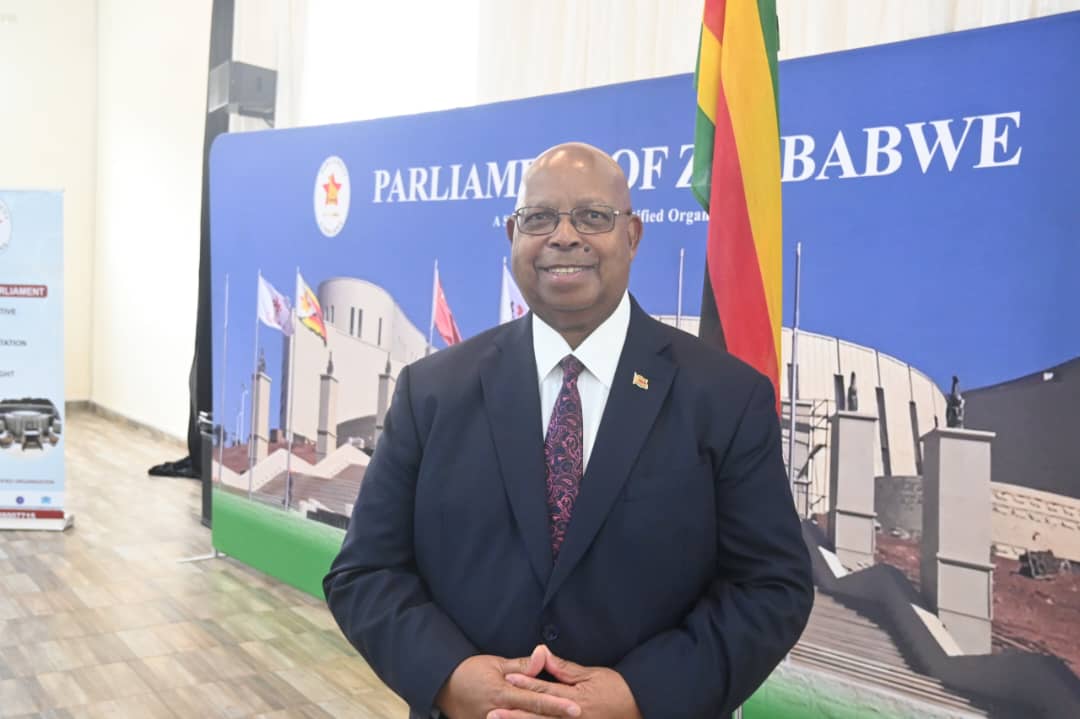
Speaking on the sidelines of the training workshop, Speaker of the National Assembly Advocate Jacob Mudenda outlined the importance of the programme.
“We are preparing members of Parliament to be capacitated to understand the budget through a critical analysis process. The budget must be analysed through the lenses of the poor, through the lens of disadvantaged groups such as women, children, youths, and people with disability, hence, we expect them to be proficient in ensuring that the budget is adequate, answers to the question of equity, and is inclusive,” he said.
Chairpersons of the Committees represented said the capacity building programme will enable them to execute their mandate, including ensuring accountability in the management of public resources.
“As Honorable members, we are being equipped with technical skills that enable us to effectively analyse, scrutinise, and monitor our budget. It means we will be able to analyse budget proposals, performance reports, and accompanying documentation submitted by ministries, departments, and agencies. Again, we will be able to understand constitutional and legislative provisions guiding financial accountability and budget oversight,” Chairperson Parliamentary Portfolio Committee on Lands, Agriculture, Water, Fisheries and Rural Development, Honourable Felix Maburutse noted.
“This workshop is very important for us as we have been taken through processes on how we can critically analyse the budget, ensure if the budget is sensitive to the people, and fulfil the wishes of the citizens. For example, in the health sector, we have to understand issues around the financing of the health sector and see how we can ensure executives are accountable so that they deliver as per citizens’ expectations,” Chairperson Parliamentary Portfolio Committee on Health and Child Care, Honourable Josiah Makombe added.
“As Parliamentarians we ought to uphold our constitution which states that all government institutions and parastatals are accountable to parliament and this is very important because we then have to make sure that we analyse all these government institutions to see if they are aligning with the principles of the public finance management act in issues to do with transparency and accountability,” Chairperson Parliamentary Portfolio Committee on Tourism and Hospitality Industry, Honourable Joana Mamombe said.
The Constitution of Zimbabwe mandates that Parliament exercise strong oversight over public finances, requiring it to monitor and oversee all state revenues and expenditures across government ministries, statutory bodies, local authorities, and government-controlled entities to ensure that public funds are properly accounted for, lawfully incurred, and subject to appropriation limits.

