



Story by Abigirl Tembo, Health Editor
GRIEVING the loss of a baby is a deeply personal pain, yet many mothers go through it without support.
At Parirenyatwa Group of Hospitals, a bereavement suite established in 2023 is quietly offering support to women who have experienced miscarriages, stillbirths, neonatal loss, or are struggling with postnatal depression.
Along the corridors of the hospitals, tucked away from the chaos of emergency rooms and maternity cries, lies the bereavement suite, a room that speaks not of birth, but of loss, a space designed not for patients, but for healing hearts.
Built in 2023 through a partnership between Parirenyatwa Group of Hospitals and an organisation called Someone Always Listens To-You (SALT) Africa, the bereavement suite serves as a sanctuary for mothers and families grappling with the pain of losing a baby.
For Gracious Katiyo, who lost her baby just hours before she expected to welcome her third child, the bereavement suite made her recovery journey easier.
“When I was pregnant, I started experiencing some pain. When I got to Parirenyatwa and saw the doctor, he told me I had to be induced into labour because the baby was no longer alive. After the stillbirth, I was referred to Someone Always Listens To-You (SALT) for counselling. They really helped me because I was in pain after losing my baby. They took me through the stages of grief and helped me accept the pain. They also prepared me for what to expect when I returned home, including how to respond to people who would ask about my late child,” she narrated.
Gracious is one of two women ZBC News followed up with who received maternal bereavement counselling through SALT.
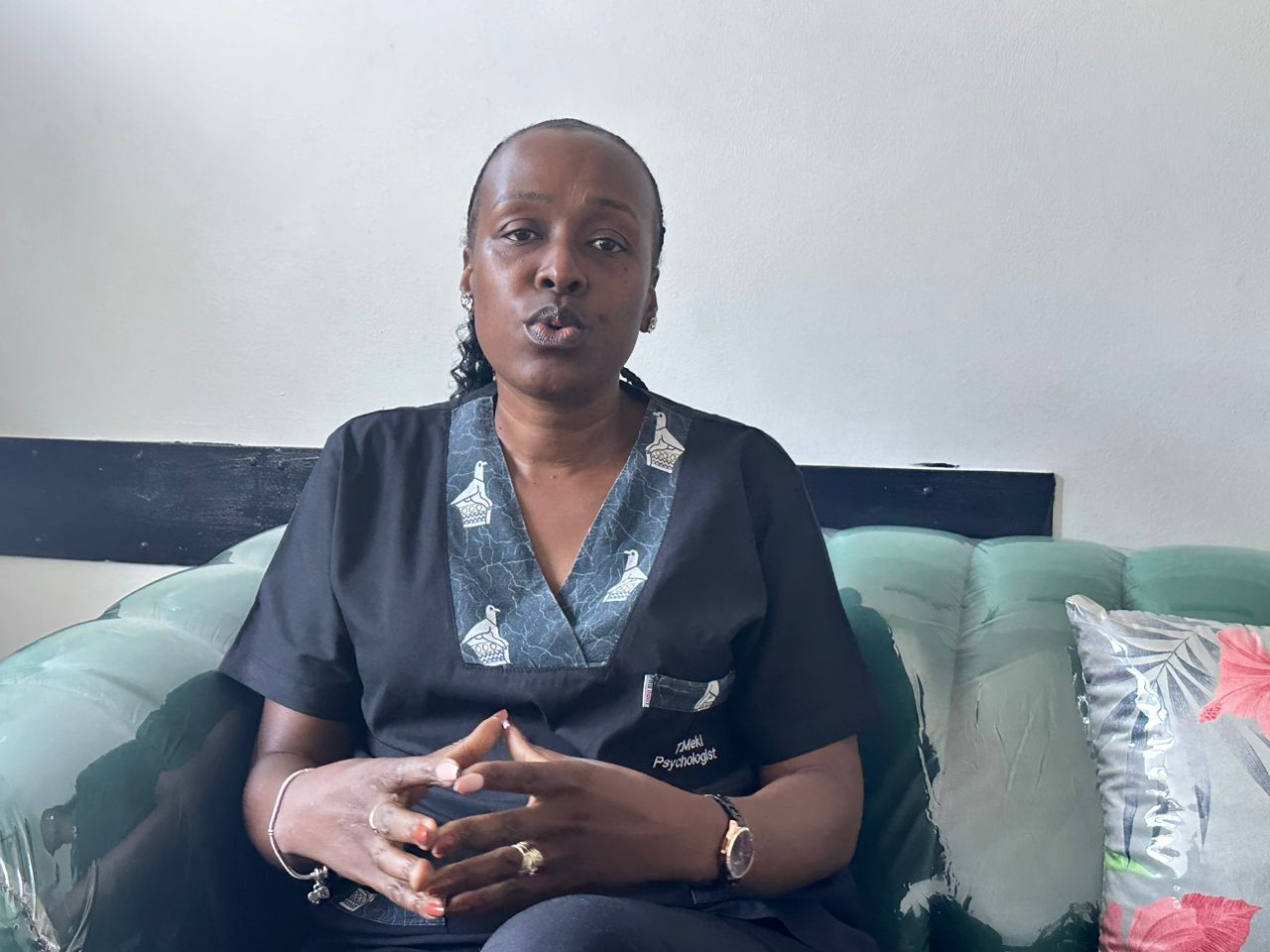
The initiative, pioneered by counselling psychologist Tafadzwa Meki, arose from a pilot study at Mbuya Nehanda Maternity Hospital, revealing the overlooked and deeply complex emotional needs surrounding perinatal loss.
“We discovered that there was an area of grief that had been long neglected and needed to be addressed because it can lead to complicated grief and other psychological and psychosocial issues for women and their families. If these are not addressed when a woman goes through a perinatal loss, be it during pregnancy or shortly after delivery, it can have lasting impacts. We also realised that it’s not only the mother who needs psychosocial support, the partner and immediate family also need support because they are part of the environment to which this woman will return after experiencing loss,” explained Meki.
Respinah Kareramombe also made use of the bereavement suite.
Her baby developed a severe infection shortly after birth, and the stress stopped her milk production entirely, compounding her emotional trauma.
“It is every mother’s wish to breastfeed and bond with her child. When my body stopped producing milk due to the stress I was under, it worsened my mental condition. It took me three months to recover, and for my body to begin producing milk again,” she said.
The bereavement suite, though small in size, represents a monumental shift in maternal care, offering what most hospitals do not offer, a space to cry, question, and begin to heal.
“So, most of the time when we lose someone or something, we can call it by name. We have spent time with it, touched it, and shared memories. But maternal loss is different. The only person who knows exactly what emotions to associate with the loss is the mother who carried the baby. Unfortunately, she often has nothing tangible to show for it, and society expects her to move on quickly. We forget that a bond had already been formed, one only she can describe.
“In some cases, the partner may also have experienced the baby’s movements and been emotionally invested. When we talk about maternal bereavement, we are not just referring to the mother, we are also addressing the needs of the partner and the immediate family,” added Meki.
The success of the bereavement room at Parirenyatwa Group of Hospitals has inspired discussions about replicating the model in other major hospitals.
As Zimbabwe moves toward Vision 2030, with its emphasis on inclusive and quality healthcare, initiatives like this, rooted in empathy, science, and cultural sensitivity, are vital.

