



Story by Theophilus Chuma
THE African Union (AU) has commended Zimbabwe for its unwavering commitment to youth development and empowerment, which has created numerous opportunities for young people to assume key leadership roles.
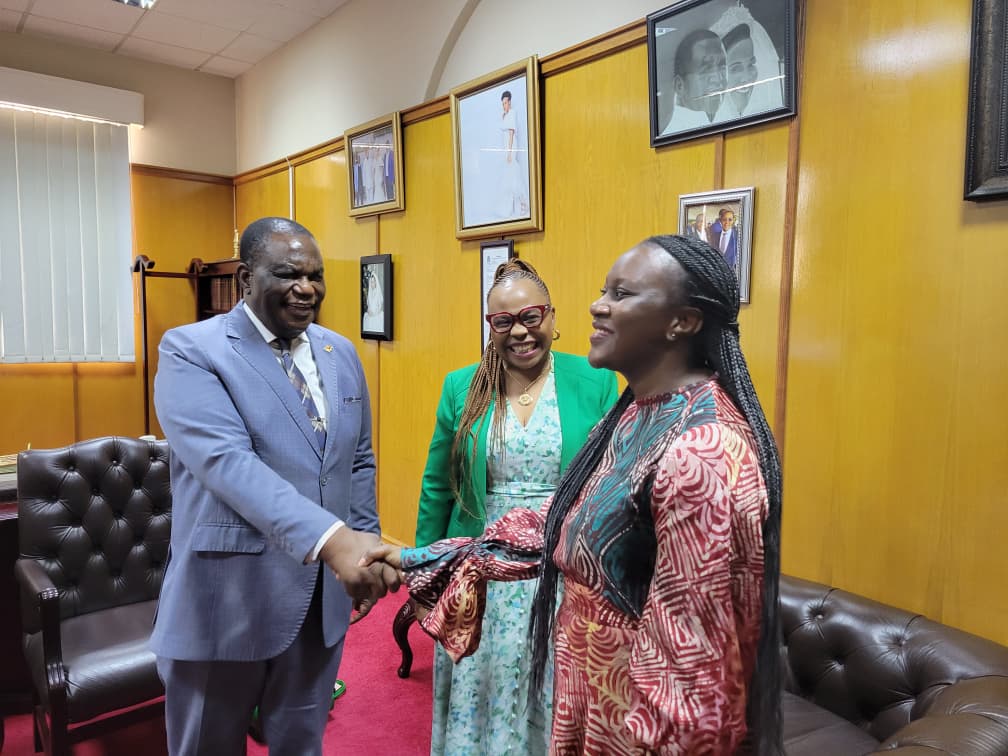
This was highlighted by the Special Advisor to the AU Chairperson, Ms Chido Mpemba, when she paid a courtesy call on Acting President, General (Retired) Dr Constantino Chiwenga in Harare this Friday.
The meeting comes ahead of the 7th Inter-Generational Retreat of the African Women Leaders Network (AWLN), in Harare this Saturday, bringing together over 300 delegates from across the continent.
Zimbabwe’s strides in promoting women empowerment and development will once again be in the spotlight as the country hosts the major continental event.
The courtesy call on the Vice President was an opportunity for Ms Mpemba, who is also the outgoing AU Youth Envoy, to emhasise the importance of consolidating and safeguarding the gains Zimbabwe has made in promoting the youth and women’s agenda.
“Our conversation focused on the importance of empowering the girl child, including in Zimbabwe. I myself am a product of Zimbabwe and as much as I am working on the continental level, it was so encouraging to see the commitments of our government to ensure that we have more youth representation and young women representation, not only in leadership positions, but getting opportunities for empowerment.”
The Second Republic has consistently demonstrated its dedication to empowering young people by placing them in key leadership and decision-making positions, policies that align with the African Union’s Agenda 2063 and its aspirations for inclusive growth.
“In moving with Agenda 2063, it is important that we see where the world is going and how we make sure that our youth and women are not left behind, especially in technology advancement and transformation,” Ms Mpemba said.
In a major milestone earlier this year, Zimbabwe launched the Zimbabwe Digital Skills Development Programme, an ambitious initiative aimed at training over one million youths in software engineering and programming, underscoring the government’s proactive approach to building a digital-ready generation.

