



Story by Abigirl Tembo, Health Editor
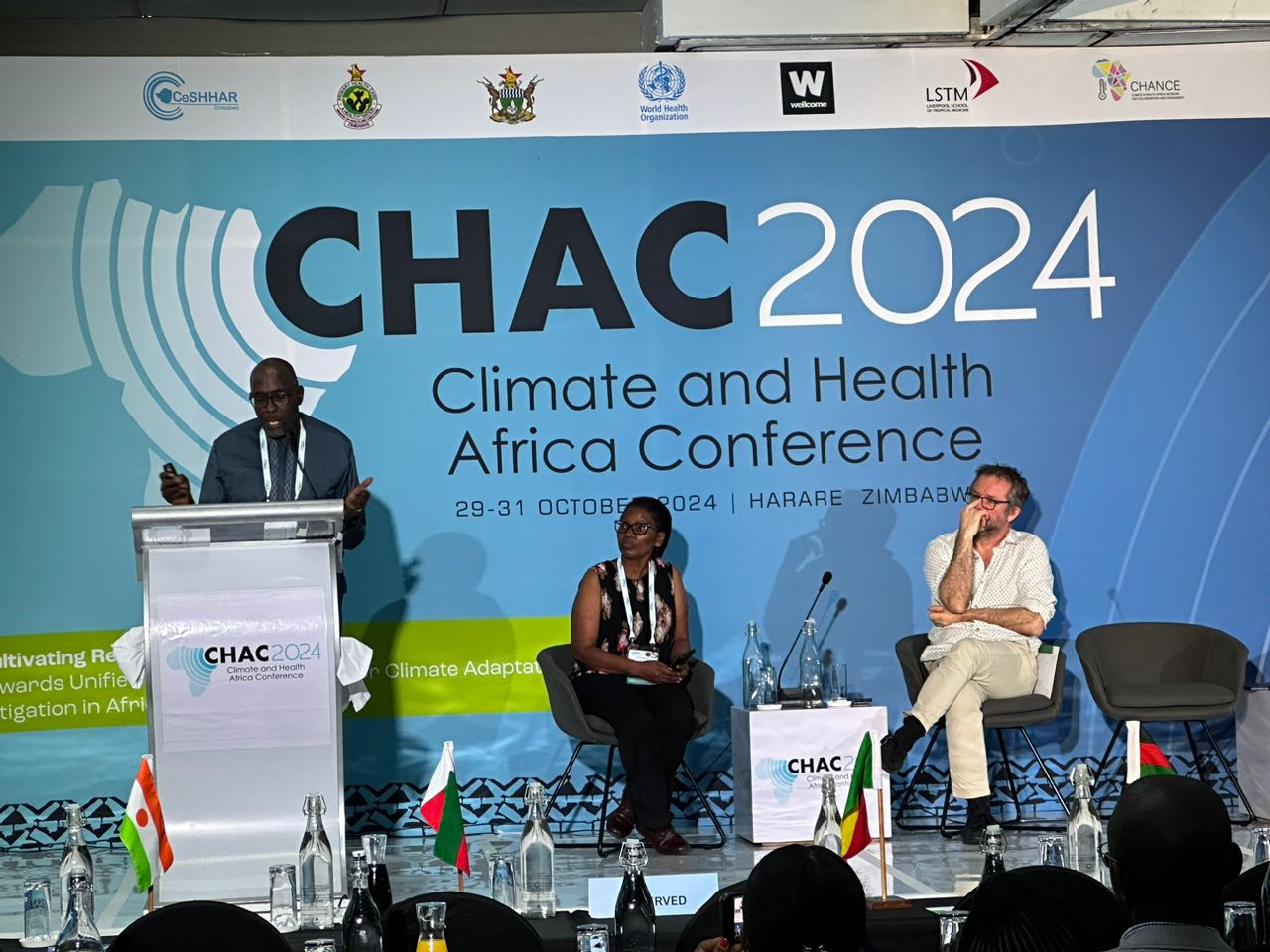
THE inaugural Climate and Health Africa Conference (CHAC 2024) kicked off in Harare this Tuesday, marking a pivotal moment in Africa’s fight against the devastating health consequences of climate change.
The conference brought together policymakers, scientists, and healthcare professionals.
Chair of the conference, Dr Fortunate Machingura emphasised the importance of the gathering.
“This conference is the first of its kind, primarily because it brings together policymakers and legislators to start engaging with the scientific evidence that’s emanating from the various pieces of work that are happening across the region.
“Our programme looks at science and then uses that science to start a dialogue and conversation on policy and policy action. It also thinks of the future in terms of capacity building that’s needed for us to be able to build this evidence, use it for policy action, and advocacy and legislative procedures.”
Director of the Healthier Populations Cluster at the WHO Regional Office for Africa, Dr Adelheid Onyango highlighted the severe health consequences of climate change.
“This conference is important because it’s calling attention to a threat, I think the highest, the most important health threat of the 20th century. Climate change is driving a very large burden of diseases, many of them re-emerging in this region.
“But, many other factors are also being affected by climate change. For example, we are experiencing cyclones that are lasting longer than usual. We are experiencing flooding and droughts, and both of those extreme events lead to outbreaks of diseases such as cholera, which are affecting large proportions of nations.
“We have heat waves, increasing temperatures in our region, causing droughts of unprecedented events. The Horn of Africa has a long-running drought that is driving a lot of people into lost livelihoods, malnutrition, migration, and all the problems that come as a result of the displacement crisis.
“The problems are multiple and huge. We in the health sector are concerned because many factors are being driven by climate change, which affects diseases and health conditions. The discussions by the scientists and researchers here will strengthen systems so that the impacts of climate change are minimised. Right now, we have weak systems.”
The conference seeks to bridge the gap between science and policy, fostering collaboration to develop effective strategies to mitigate the impact of climate change on health.
According to statistics in 2023, extreme weather events resulted in the deaths of more than 15 000 people, while droughts impacted over 88 million individuals across six African countries.

