



Story by Gay Matambo
ZIMBABWE is on course to complete key digital broadcasting and media modernisation targets by 2028, two years ahead of the Vision 2030 deadline, the Ministry of Information, Publicity and Broadcasting Services has said.
The update was delivered during the Ministry’s Mid-Term Review Meeting held in Vumba on Wednesday, where officials said progress across several strategic areas has positioned the ministry to exceed its annual targets.
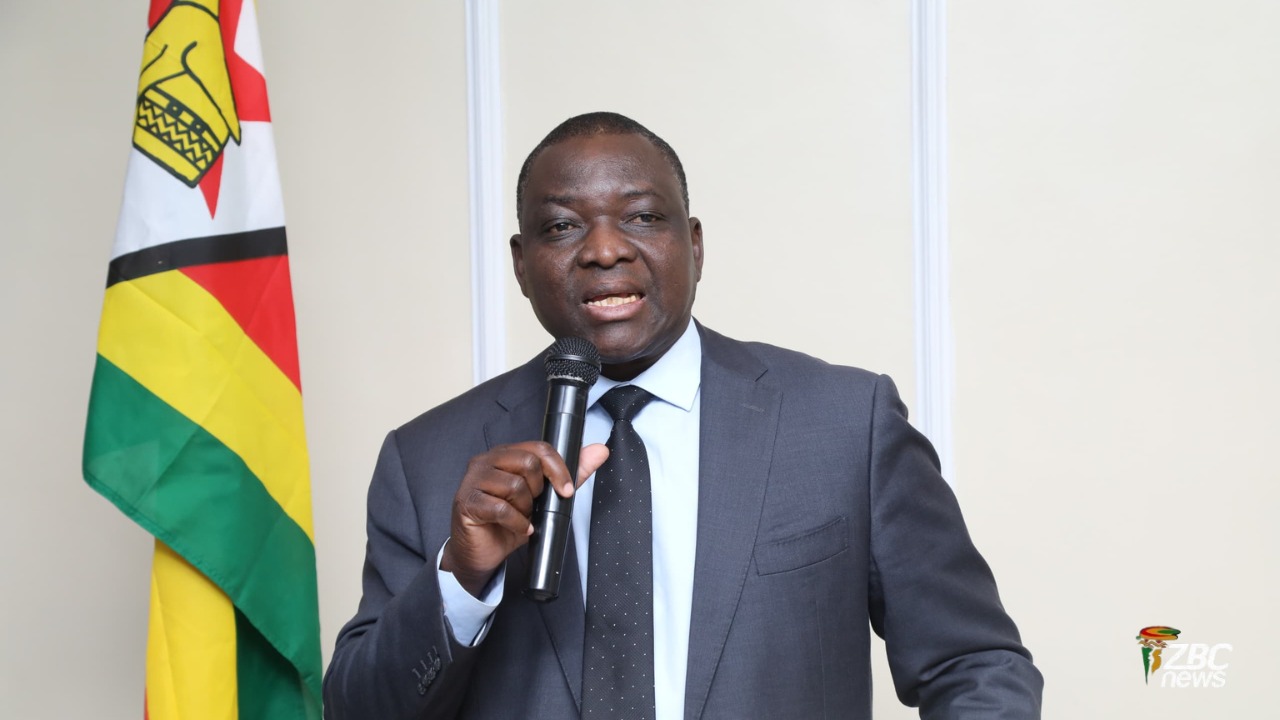
Minister of Information, Publicity and Broadcasting Services Dr Zhemu Soda said the ministry remains focused on aligning its communication and content strategy with the objectives of the National Development Strategy Two (NDS2).
“Zimbabwe’s place in the world has changed. We now sit as a non-permanent member of the United Nations Security Council, and we are preparing to assume the chairmanship of COMESA this year. This places Zimbabwe at the centre of global and regional decision-making.
“Our media must therefore rise to the occasion to ensure that we unite Zimbabweans around Vision 2030, inform investors, entrepreneurs, and financiers about the opportunities for trade and investments in our country.”
Dr Soda urged media stakeholders to embrace data-driven approaches while strengthening Zimbabwe’s presence across digital platforms.
“Our public media platforms and communication channels must undergo a deliberate shift. We can no longer rely solely on traditional approaches; we must modernise our broadcasting infrastructure, optimise digital distribution, and ensure our narrative reaches global markets with clarity and authority.”
Manicaland Minister of State for Provincial Affairs and Devolution Advocate Misheck Mugadza said expanding access to information through broadcasting is critical to local development.
“When media expands broadcasting reach, licenses local community radio stations and tells provincial success stories, you provide the critical information bedrock that breathes life into the Nyika Inovakwa Nevene Vayo philosophy and drives our collective journey towards Vision 2030.”
The ministry said it will continue investing in broadcasting infrastructure and expanding access to information as it positions the media sector to play a greater role in national development and economic transformation.

