



Story by Fungai Jachi
FARMERS in Chiredzi are increasingly embracing integrated farming systems as part of efforts to adapt to climate change, improve productivity and contribute to rural wealth creation, in line with Government’s drive to strengthen food security and agricultural sustainability.
Among those leading the way is Kurauone Farm, where a diversified farming model combining crop production, livestock rearing and aquaculture is delivering economic and environmental benefits.
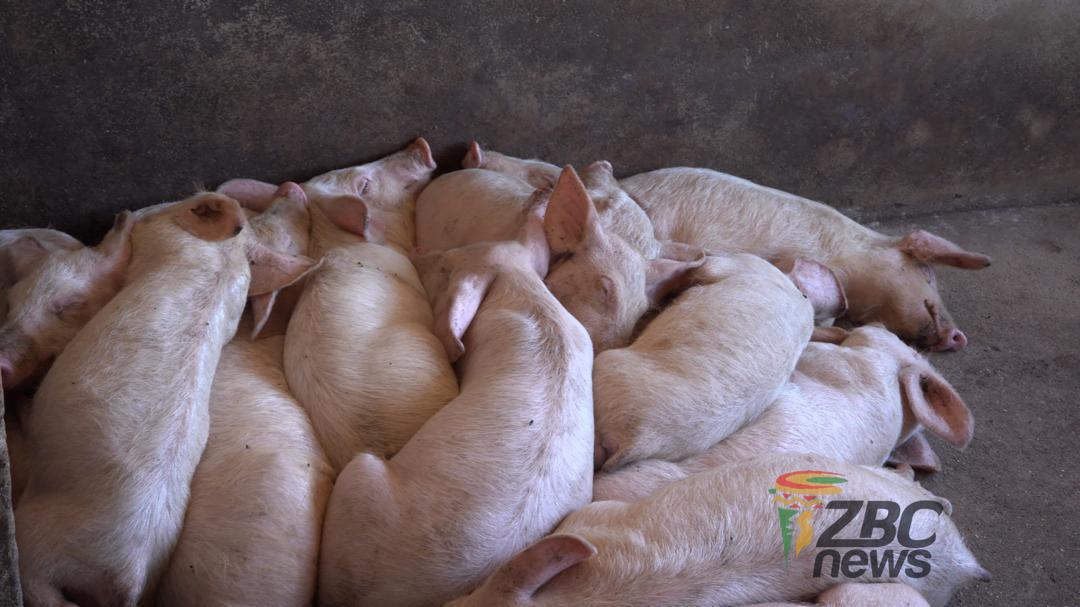
The farm, owned by Mr and Mrs Kurauone, beneficiaries of the Land Reform Programme, has become a model of mixed farming, incorporating cattle, goats, sheep, pigs, poultry, fish farming and sugarcane production.
Operating on 75 hectares, the couple has established a closed-loop farming system designed to maximise land utilisation, reduce production costs and improve profitability.
“Our main aim is to create an ecosystem that enables us to reduce production costs and invest more in our sugarcane crop, which is our major enterprise. We realised that venturing into livestock production and fish farming would help us cut costs on fertilisers, feed and other inputs. Integrated farming has therefore helped us maximise profits while fully utilising the land that we have,” said Mr Kurauone.
The approach has not only enhanced productivity but has also promoted inclusivity and economic empowerment.
Mrs Kurauone said mixed farming has enabled her to play a more active role in production and household income generation.
“Venturing into mixed farming has helped me realise my potential as a woman because I am now actively involved in productive work. Knowing that we have a ready market for our produce is an added advantage. I now understand the true meaning of inclusivity and empowerment. Our goal is to increase production every year so that we also contribute to the growth of the country’s economy,” she said.
The farming enterprise has also created employment opportunities for members of the local community, contributing to improved livelihoods in the area.
“We have gained employment through the farm and are benefiting from machinery accessed through the Government’s mechanisation programme, which has made our work easier and more efficient,” said one employee.
Government continues to promote Integrated Farming Systems (IFS) as a key strategy for enhancing agricultural productivity, building resilience to climate change and reducing environmental impacts.
The model is expected to play an increasingly important role in advancing national food security while supporting sustainable rural development and economic growth.

