



Story by Abigirl Tembo, Health Editor
ZIMBABWE is strengthening its response to drug and substance abuse by expanding rehabilitation services, tightening enforcement measures, and increasing public awareness campaigns aimed at protecting communities, particularly young people.
The intensified efforts align with President Dr Emmerson Mnangagwa’s directive for the government to scale up its response to the growing challenge.
Drug and substance abuse continues to have a significant impact on communities across the country, with young people among the most affected.
Authorities are concerned by the abuse of substances such as crystal meth, popularly known as Mutoriro, cannabis, cocaine and prescription medicines, including pethidine and some cough syrups.
Government says some medicines are being illegally sold on the streets, exposing users to addiction and serious health complications.
“Drug and substance abuse is a major challenge in Zimbabwe, prompting the establishment of a Cabinet Committee chaired by the Minister of Defence, while I lead the health pillar on treatment and rehabilitation. We are seeing misuse of prescription medicines, including pethidine, a controlled painkiller, as well as the illegal importation and backyard manufacturing of some drugs.
“There is also growing abuse of cough mixtures containing alcohol, where people take overdoses to get intoxicating effects. It is important for the public to understand that medicines are safe only when taken as prescribed by medical professionals. Misuse can lead to addiction, organ damage, or even death. We strongly discourage buying medicines from the streets and urge people to use only registered pharmacies. It is also a criminal offence to manufacture medicines in unregistered facilities.
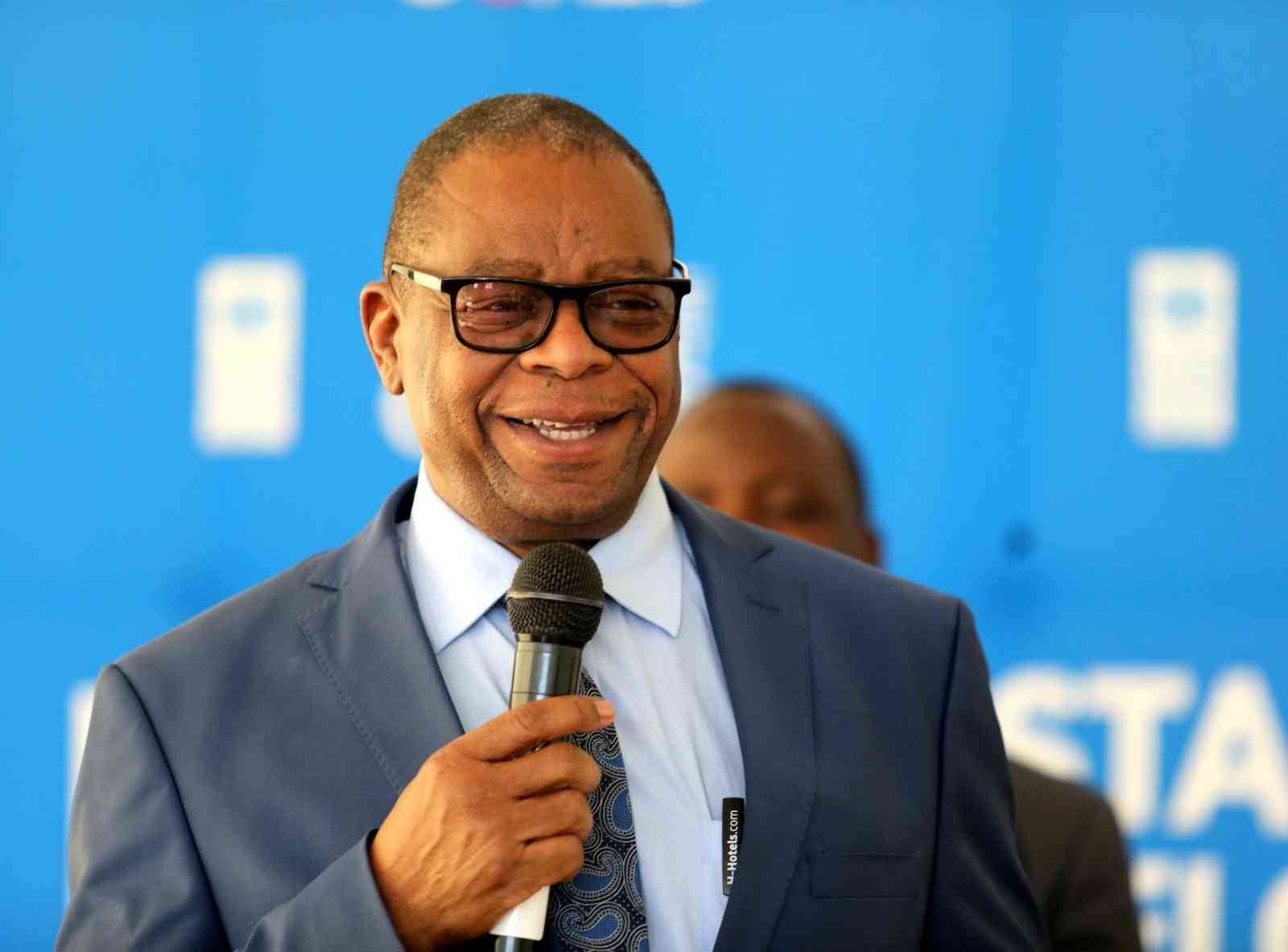
“We encourage the public to report any illegal drug activity to the police or nearest health authorities,” Minister of Health and Child Care Dr Douglas Mombeshora said.
As the fight against the scourge continues, government is implementing a multi-sectorial approach that prioritises supply reduction and rehabilitation of those hooked up.
“Government is constructing more drug and substance abuse rehabilitation centres across the country while also using psychiatric units in hospitals to stabilise patients before transferring them to dedicated rehabilitation facilities. So far, centres are operational in Marondera, Bindura, Harare’s Wilkins Hospital, and at Angel of Hope in Mbare, which is one of the largest facilities with a capacity of over 400 patients. Additional centres are under construction in Gwanda and Bulawayo, and more are expected to be rolled out soon.
“Government has also identified 138 facilities nationwide for renovation into rehabilitation centres to ensure every part of the country is covered. Funding has been secured, including proceeds from games and lotteries, to support the expansion programme, with significant progress expected by the end of the year,” Dr Douglas Mombeshora said.
As authorities intensify the crackdown on traffickers and illegal medicine dealers, equal emphasis is being placed on rehabilitation and recovery.
Here at Wilkins Drug Rehabilitation Centre, which opened in November last year, that approach is already taking shape.
And with more facilities set to open across the country, government says the goal is clear: to build healthier communities and turn the tide against drug and substance abuse.

