



Story by Oleen Ndori, Foreign Desk Editor
ZIMBABWE’S campaign for a non-permanent seat on the United Nations Security Council (UNSC) is receiving added support from institutions such as the Zimbabwe Prisons and Correctional Service (ZPCS), which says its rehabilitation and peace-building initiatives reflect the country’s commitment to stability, justice and human dignity.
The ZPCS says its involvement in regional and international peace support programmes has helped position Zimbabwe as a responsible and peace-oriented nation.
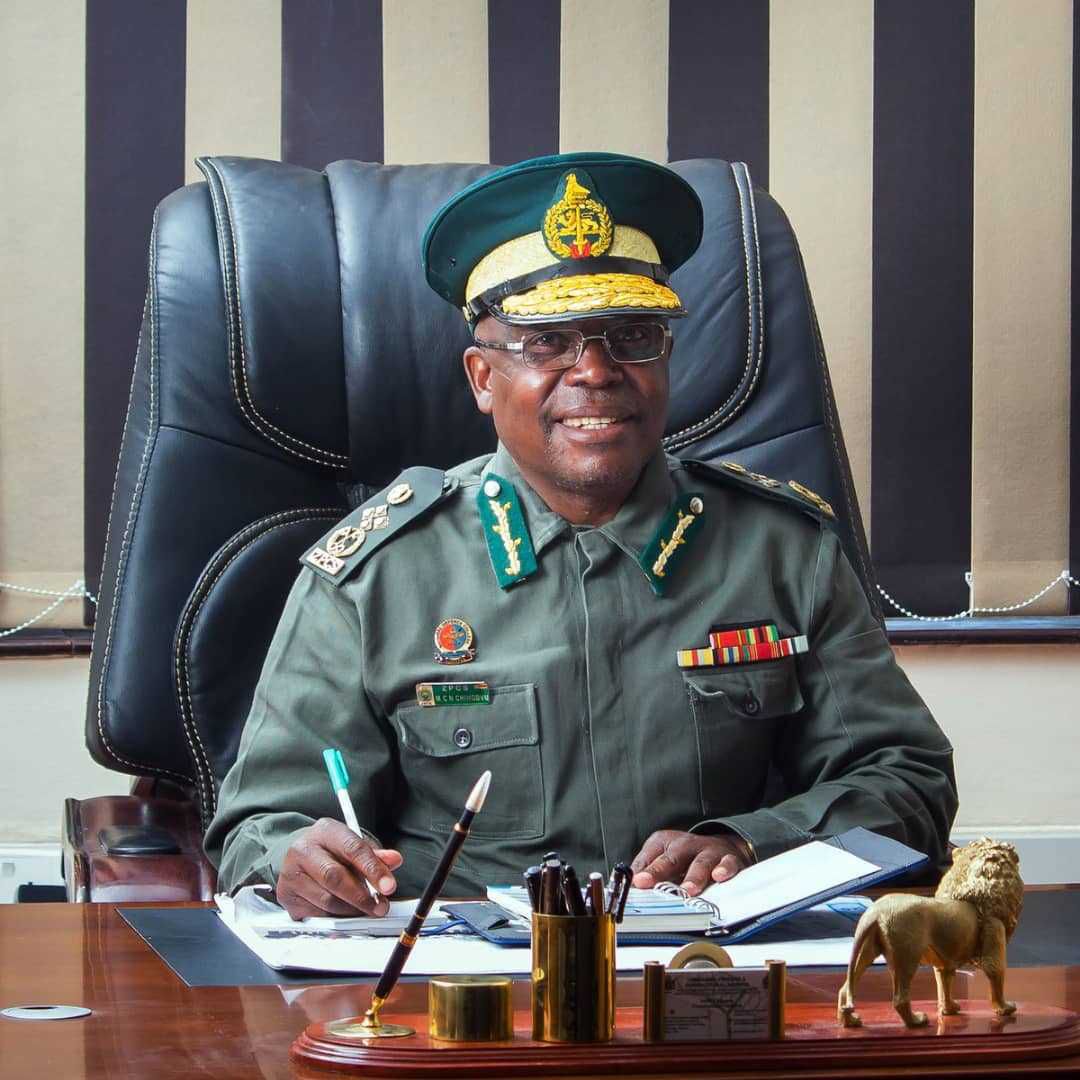
ZPCS Commissioner General, Dr Moses Chihobvu said participation in such initiatives has enabled officers to gain experience in modern correctional practices, professionalism, discipline and human rights, while also allowing Zimbabwe to share expertise in offender rehabilitation and reintegration.
“The participation of the Zimbabwe Prisons and Correctional Service in regional and international peace support initiatives has helped strengthen Zimbabwe’s reputation as a peaceful and responsible nation,” said Dr Chihobvu.
“Through these engagements, Zimbabwe has demonstrated its commitment to promoting peace, stability and cooperation beyond its borders.”
He said the exposure gained by officers contributes to building peaceful societies through modern correctional systems focused on rehabilitation.
“Zimbabwe Prisons and Correctional Service officers who take part in these programmes gain valuable experience in professionalism, discipline, human rights and modern correctional practices. This has also allowed Zimbabwe to share its expertise in offender rehabilitation and reintegration, which are important in building peaceful societies,” he said.
Dr Chihobvu said Zimbabwe’s contribution to peace support initiatives demonstrates the country’s continued commitment to regional and international cooperation.
“By contributing trained personnel and expertise to peace support initiatives, Zimbabwe continues to play a positive role in promoting peace and security both regionally and internationally,” he noted.
He added that Zimbabwe’s evolving correctional reforms strengthen the country’s credentials as it seeks a seat on the UN Security Council.
“Zimbabwe’s bid for a non-permanent seat on the United Nations Security Council presents an opportunity for the country to contribute to global peace and security discussions. Institutions such as the ZPCS strengthen Zimbabwe’s case because peace today is not only about military action, but also about rehabilitation, justice and social stability,” said Dr Chihobvu.
He said the ZPCS has shifted from a punitive correctional system to one centred on rehabilitation and reintegration through vocational training, education, counselling and skills development programmes.
“The ZPCS has moved from a purely punitive approach to a correctional system that focuses on rehabilitation and reintegration. Through vocational training, education, counselling and rehabilitation programmes, offenders are given opportunities to reform and become productive members of society,” he said.
According to Dr Chihobvu, the approach helps reduce repeat offending while promoting social responsibility and long-term stability.
“It also demonstrates Zimbabwe’s commitment to human dignity, restorative justice and modern correctional reforms in line with international standards,” he added.
He said Zimbabwe is also well-positioned to champion African-led peace-building solutions and advocate for stronger rehabilitation and reintegration frameworks at international level.
“If Zimbabwe is elected to the United Nations Security Council, the country can share its experiences on the importance of balancing security with rehabilitation, human development and restorative justice,” he said.
“Zimbabwe can also advocate for African-led solutions to peace-building challenges and greater support for rehabilitation and reintegration programmes.”
As Zimbabwe intensifies its push for a non-permanent seat on the UNSC, institutions such as the ZPCS are emerging as important pillars in demonstrating the country’s commitment to peace, justice and sustainable social development.

