



Story by Bruce Chahwanda, Political editor
PARLIAMENT says it is satisfied with the nationwide public consultation process on the Constitution of Zimbabwe Amendment (No. 3) Bill, having completed an extensive outreach programme that covered every district in the country.
The consultation window remains open until May 18, allowing Zimbabweans to continue submitting written and online views before the next parliamentary stages begin.
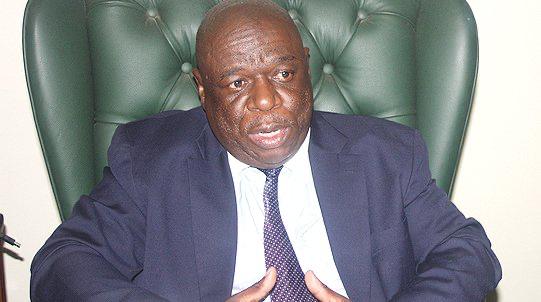
Clerk of Parliament, Mr Kennedy Chokuda said the public outreach exercise had been one of the most comprehensive undertaken by Parliament.
“We ensured that we went to every district in this country. For normal Bills, we usually hold consultations at one venue per province, but this time we gave Zimbabweans across the country an opportunity to make their submissions, and we are satisfied with the process,” he said.
The Constitutional Amendment No. 3 Bill was gazetted in February, with public hearings conducted from March 30 to April 2, as required by the Constitution.
Mr Chokuda said public hearings are only one part of the consultation process, with written submissions still being accepted in hard copy and electronically.
“The 90-day consultation period ends on May 17, which falls on a Sunday. In terms of the Constitution, the deadline automatically moves to Monday, May 18, which becomes the final day for submissions,” he said.
To improve accessibility, Parliament has also established a submission point at the Old Parliament Building in Harare for members of the public unable to travel to the new Parliament in Mount Hampden.
“We know Mount Hampden is a bit out of town, so we opened an additional submission point at the Old Parliament Building. We have done everything possible to ensure the process is inclusive,” said Mr Chokuda.
Once the consultation period closes, the relevant parliamentary committee will spend between two and three weeks analysing submissions gathered through public hearings, written memoranda and online platforms.
Thereafter, the Minister of Justice, Legal and Parliamentary Affairs is expected to introduce the Bill for its First Reading in Parliament.
“The First Reading is simply the reading of the long title of the Bill. There is no debate at that stage,” Mr Chokuda explained.
Substantive debate will begin at the Second Reading, when the minister outlines the details of the proposed amendments. At that point, the parliamentary committee will also table its report, informed by public input.
As a Constitutional Bill, Amendment No. 3 will follow a distinct legislative path. After the Second Reading, it will proceed to the Committee Stage for clause-by-clause consideration, followed by the Third Reading before being transmitted to the other House.
Unlike ordinary legislation, Constitutional Bills are not referred to the Parliamentary Legal Committee.
The Constitutional Amendment Bill seeks to refine governance structures in line with the country’s developmental aspirations under Vision 2030.
Key provisions are expected to enhance administrative efficiency, strengthen institutional alignment, and ensure policy continuity in the implementation of long-term national programmes.
The amendments, which include extending presidential and parliamentary electoral cycle from five to seven years, are crucial for fostering long-term development, policy continuity, and saving resources by reducing frequent election cycles.
The bill also seeks to adopt a parliamentary process in the election of the President while also establishing the Zimbabwe Delimitation Commission among other provisions.

