



Story by Stanley James, Business Editor
ZIMBABWE has operationalised a range of tax incentives for industry and commerce, a move expected to provide relief for local firms while supporting economic growth and investor confidence.
The incentives, announced under the 2026 National Budget, are aimed at increasing production, lowering operational costs and accelerating progress under the National Development Strategy 2 (NDS2).
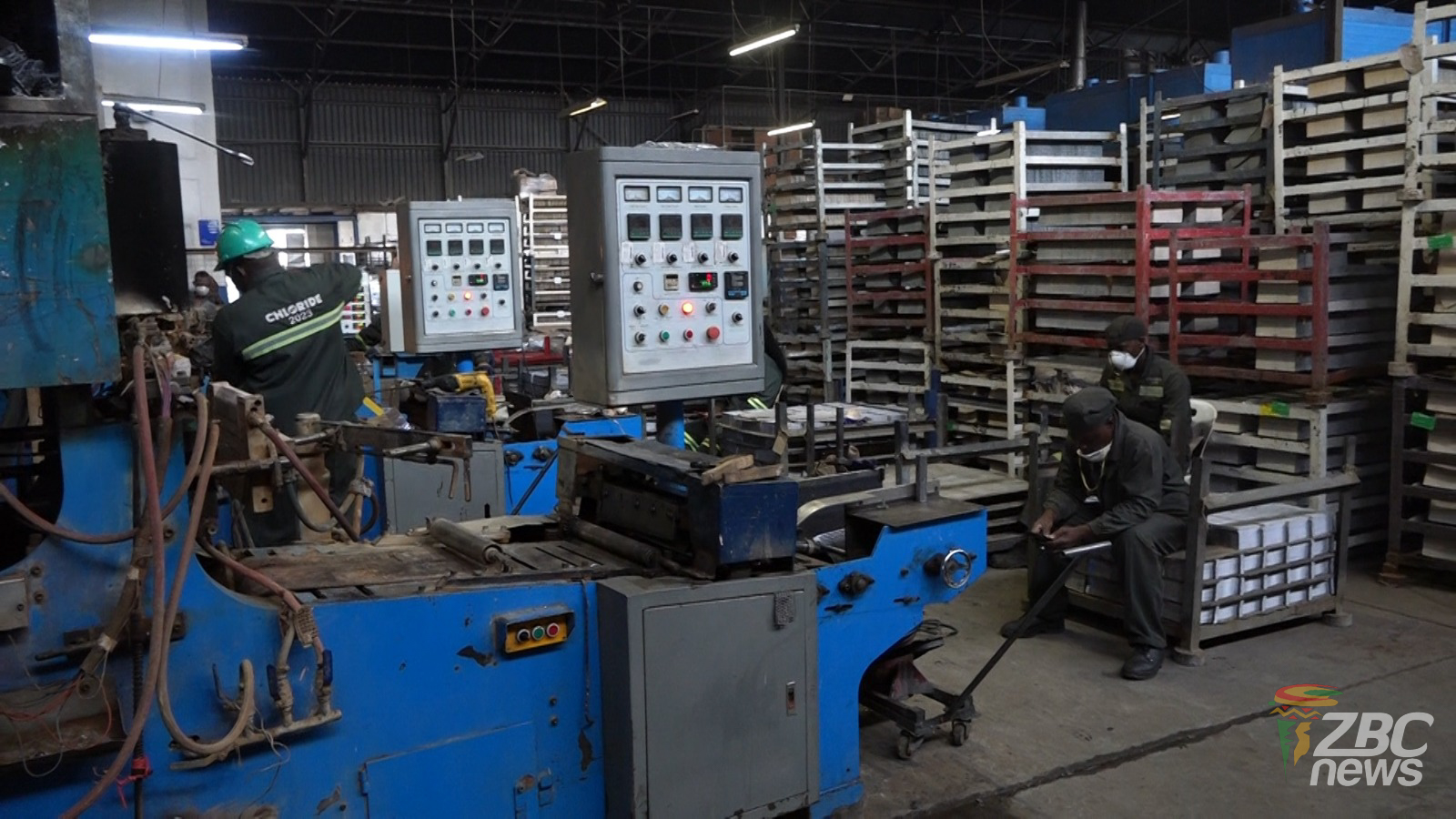
Key measures include the suspension of customs duty on selected raw materials, the extension of tax rebates for the tourism sector, and targeted relief for priority productive sectors.
Tax expert and Baker Tilly Tax partner, Mr Simbarashe Hamudi, said the incentives have been introduced at a critical time for industry.
“These measures are coming at the right time, particularly as appetite for machinery and equipment within industry is rising. Such interventions reflect government’s commitment to increasing productive capacity and supporting industrial growth,” he said.
The incentives are expected to benefit several key sectors, including tourism, agriculture, energy and manufacturing, which are central to NDS2’s sustainable economic development agenda.
Chief Executive Officer of the Chartered Governance and Accountancy Institute in Zimbabwe, Dr Lovemore Gomera, said the operationalisation of the incentives signals that all implementation requirements have been fulfilled.
“Operationalising the incentives means the key aspects have now been put in place. While not all sectors may benefit equally, it is now up to the beneficiaries to fully take advantage of the measures that have been introduced,” he said.
While government is expected to forego millions of dollars in potential revenue, the incentives are part of a broader strategy to balance revenue mobilisation with economic expansion.
Industrialist Mr Luxon Zembe said the focus should now be on consolidating gains from the policy interventions.
“We need to understand where we are coming from and focus on what needs to be done to consolidate the gains arising from these interventions. The way forward is to invest in machinery, expand capacity and drive growth,” he said.
The 2026 National Budget places tax relief at the centre of efforts to stimulate economic activity, positioning Zimbabwe as an increasingly attractive destination for both domestic and foreign investment.

