



Story by Tichaona Kurewa
HUMAN-wildlife conflict continues to pose a serious challenge for communities across Zimbabwe, with more than 60 fatalities and 80 injuries reported in 2025, according to the Zimbabwe Parks and Wildlife Management Authority (ZimParks).
Data from ZimParks indicate that 62 people were killed and 81 others injured as a result of wildlife attacks during the year. Livestock losses were also substantial, with 244 cattle, 39 donkeys, and 518 goats reported lost to wild animals.
“Analysis of the data indicates that hyenas, crocodiles, and elephants remain the most frequently reported problem animals. These figures underscore the urgency of scaling up preventive measures, including early-warning systems such as collaring wildlife using Global Positioning System (GPS) and satellite technology, as well as the establishment of community conservancies,” ZimParks’ Mr Tamirirashe Mudzingwa noted.
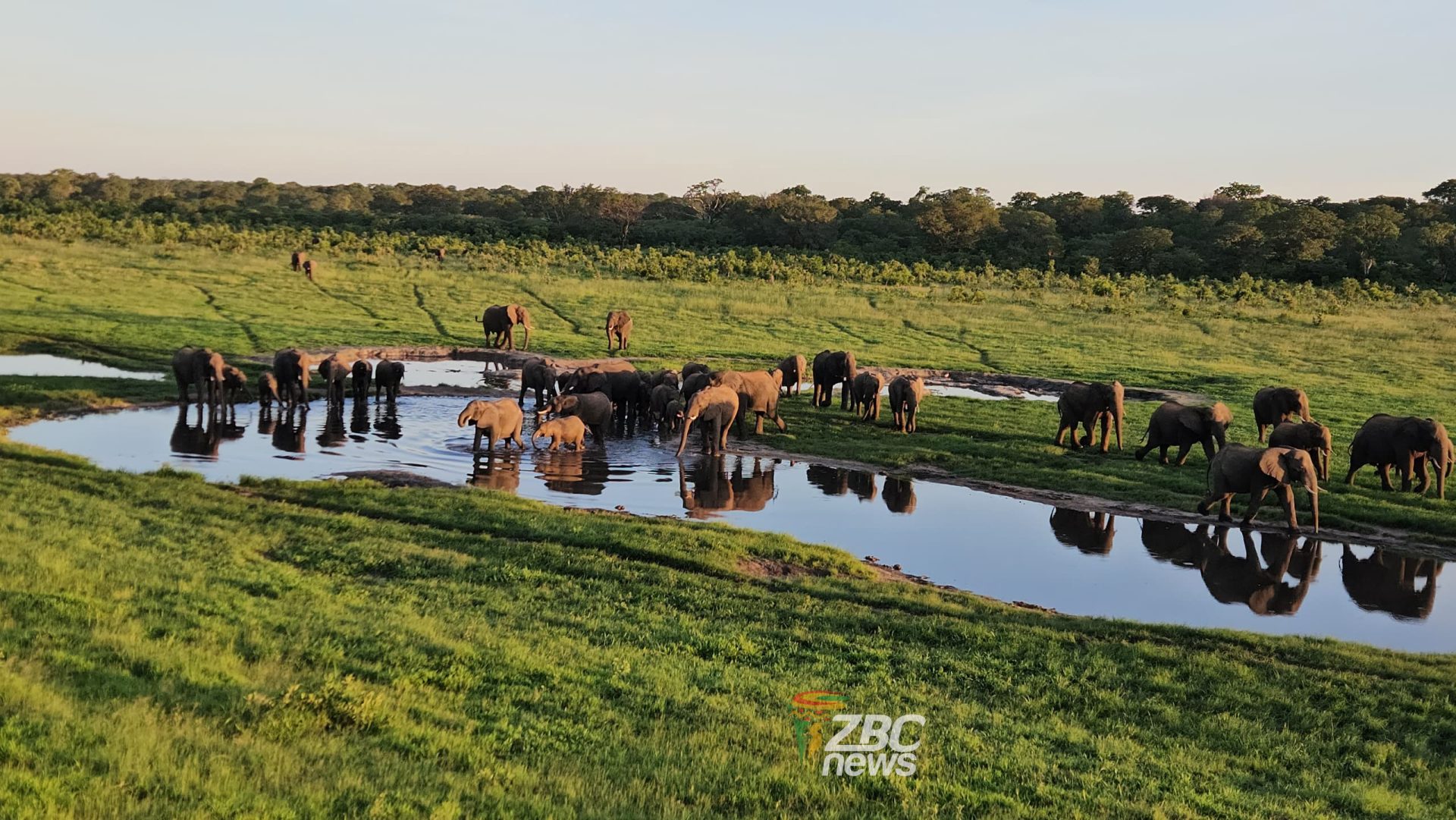
The increase in human-wildlife conflict reflects both growing wildlife populations and improved reporting mechanisms within communities. At Hwange National Park, the elephant population alone is now estimated to exceed 45.
Residents of Hwange District in Matabeleland North Province describe the situation as increasingly unbearable.
“The figures are heartbreaking. We call upon all parties involved to act urgently. Boundary fences between communities and national parks must be re-erected. Those in the tourism sector must also play a role in mitigating human-wildlife conflict. We also encourage residents to minimise movement at night and to exercise caution when approaching water bodies,” Chairperson of Hwange District Residents Association, Mr Herbert Ncube said.
The government has responded with the Parks and Wildlife Amendment Act of 2025, which establishes a Human–Wildlife Conflict Relief Mechanism to support affected communities. Implementation modalities are currently being developed in consultation with stakeholders.
In 2025, a total of 556 “problem animals” were neutralised as part of mitigation efforts. While human fatalities increased from 49 in 2024 to 62 in 2025, injuries declined slightly from 90 to 81. Livestock losses more than doubled, rising from 362 to 801 during the same period.
High-risk areas for human-wildlife conflict include Kariba, Mbire, Chiredzi, Binga, Hwange, Hurungwe, and Nyaminyami districts, with hyenas, crocodiles, and elephants responsible for the majority of reported incidents.
Authorities stress that continued collaboration between communities, wildlife managers, and the tourism sector is critical to reducing risks and safeguarding both human and animal populations.

