



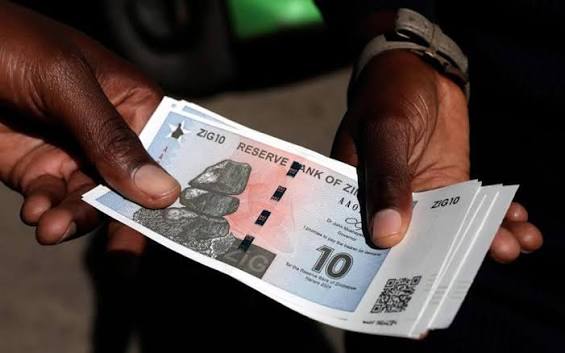
Story by Stanley James
THE Zimbabwe Gold (ZiG) currency is expected to remain stable this year, buoyed by record gold production of more than 46 tonnes in 2025, which has significantly strengthened the reserves backing the domestic unit, economists have said.
The ZiG was introduced in April 2024 by Reserve Bank of Zimbabwe (RBZ) Governor Dr John Mushayavanhu as part of broader efforts to establish a durable and credible local currency anchored on tangible reserves, including gold, other precious minerals and foreign currency.
Although the currency faced early market scepticism, analysts say its performance has steadily improved, underpinned by rising gold output, tighter monetary policy and growing confidence in reserve accumulation.
Official figures show that Zimbabwe produced about 46.7 tonnes of gold in 2025, the highest annual output on record. Economists say the surge has enhanced the central bank’s capacity to build reserves, reinforcing the ZiG’s stability.
Zimbabwe Economics Society vice president Dr Misheck Ugaro said increased gold production directly strengthens the fundamentals of a commodity-backed currency.
“This is one key attempt to facilitate a long term durable currency and from what we are seeing the nation is on course to exciting times riding on the gains of the domestic currency and we anticipate a lot to happen for the benefit of the nation, remember the ZiG is backed by gold, precious minerals and foreign currency reserves so any rise in terms of overall gold production will definitely lead to more strengthen of the domestic currency as the central bank walks the talk on a tight monetary policy while building more reserves,” Dr Ugaro said.
He said the trend pointed to improving macroeconomic prospects, with reserve accumulation playing a central role in sustaining currency stability.
University of Zimbabwe Business School director Professor Albert Makochekanwa echoed similar sentiments, saying a stable domestic currency was essential for economic competitiveness and long-term growth.
“A stable and stronger domestic currency is what lays the foundation for exciting times in the economy so based on that we are more than hopeful that attempts by the central bank to maintain a tight monetary policy stance will further enhance the competitiveness of the domestic currency, this is coming at a time when Zimbabwe is targeting a stable currency that can last for many years in fact there are so many advantages of using a domestic currency rather than depending on currencies from other nations or economies,” Professor Makochekanwa noted.
President Emmerson Mnangagwa has also reaffirmed Government’s commitment to preserving macroeconomic stability, citing improved foreign currency inflows and reserve accumulation.
“The tight monetary and fiscal environment in the economy have remained favourable to sustained economic activity, my Government is diligently implementing the necessary policies, measures and initiatives to maintain currency stability of the ZiG and inflation, going into the future, the trend in macro stability is expected the status quo in our economy, the country’s foreign currency generation capacity continues to strengthen, inflows stood at US$10,4 billion as of August 2025 an upward increase of 26,8 percent from US$8,3 billion recorded during the same period last year.
He said foreign currency reserves had risen to about US$900 million by the end of September 2025, up from US$700 million in June, noting that the World Bank had ranked Zimbabwe among the top countries globally for progress in foreign currency reserve accumulation.
Meanwhile, official data indicate that electronic transactions in ZiG are increasing, signalling wider acceptance of the currency. Authorities say the planned introduction of new ZiG notes is expected to further boost public confidence, building on current gains in stability and reserve backing.

