



Story by Memory Chamisa
SOLAR energy initiatives are providing a significant boost in rural communities, with Siansundu and Zambezi Clinics in Binga being the latest to benefit from reliable electricity for essential healthcare services.
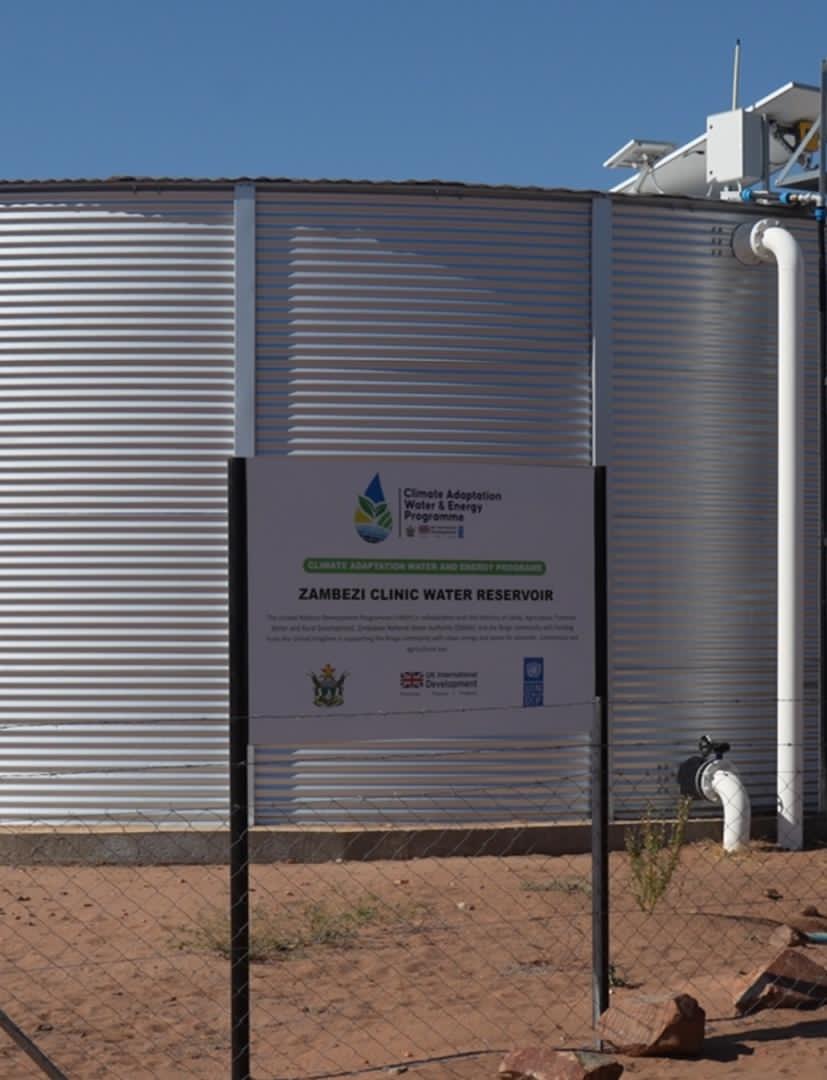
For decades, Siansundu and Zambezi Clinics in Binga have been relying on candles for lighting, limiting service delivery, but solar installation under the Climate Adaptation Water and Energy Programme (CAWEP) energy component led by Government in partnership with the United Nations Development Programme has revolutionised healthcare delivery and education, offering a beacon of hope for local communities.
“Nighttime operations were particularly challenging, with clinic staff relying on candles and torches to light up the maternity ward and treatment rooms. We appreciate the development that will not only serve expectant mothers but those in need of health care,” Farai Mugwaze said.
”We also see the Government’s thrust of leaving no one and no place behind being fulfilled here, as Binga has been included. The turnover of teachers in the district has been alarming, but we now expect a change. Our schools have been solarised. This programme has brought the much-needed development in our area and from here we expect to see great change,” Selina Mupande stated.
The installation of solar power has not only improved working conditions but also boosted the morale of healthcare workers.
“The previous setup compromised not only the quality of healthcare but also made the clinic an unattractive workplace for many health professionals. We had a shortage of nurses as they did not want to work where there was no power or water, but this solar has greatly changed that, and even teachers can now stay and teach our children. The clinic’s staff quarters are now connected to the solar grid, providing electricity for their homes,” Violet Mudhenda noted.
“Our children will stand a chance in this technologically driven world, as nurses and teachers now stay, women and youth will be empowered, as this solar is also providing downstream benefits from irrigation farming, clean water,” Catherine Siantali added.
In addition to water, agriculture and energy, the CAWEP project has integrated Early Warning Systems to help communities anticipate and mitigate climate risks.
Two automated weather stations have been installed to provide accurate, localised weather data for smallholder farmers, helping them make informed agricultural decisions.

