



Story by Theophilus Chuma
ZIMBABWE and South Africa are stepping up joint efforts to confront social vulnerabilities such as drug and substance abuse, poverty, inequality and youth marginalisation, recognising that these challenges are central to achieving inclusive economic growth and sustainable development.
The renewed focus follows the recent signing of a Memorandum of Understanding (MoU) between the two countries, which establishes a structured framework for cooperation in social development. The agreement enables both governments to collaborate on addressing drug and substance abuse, poverty alleviation, inequality and the protection of vulnerable groups, while strengthening regional cooperation on social welfare and inclusive growth.
Despite progress made by both countries, officials acknowledge that persistent challenges including unemployment, social exclusion, the impact of HIV and AIDS, children on the move and climate-related vulnerabilities continue to strain social protection systems and service delivery mechanisms.
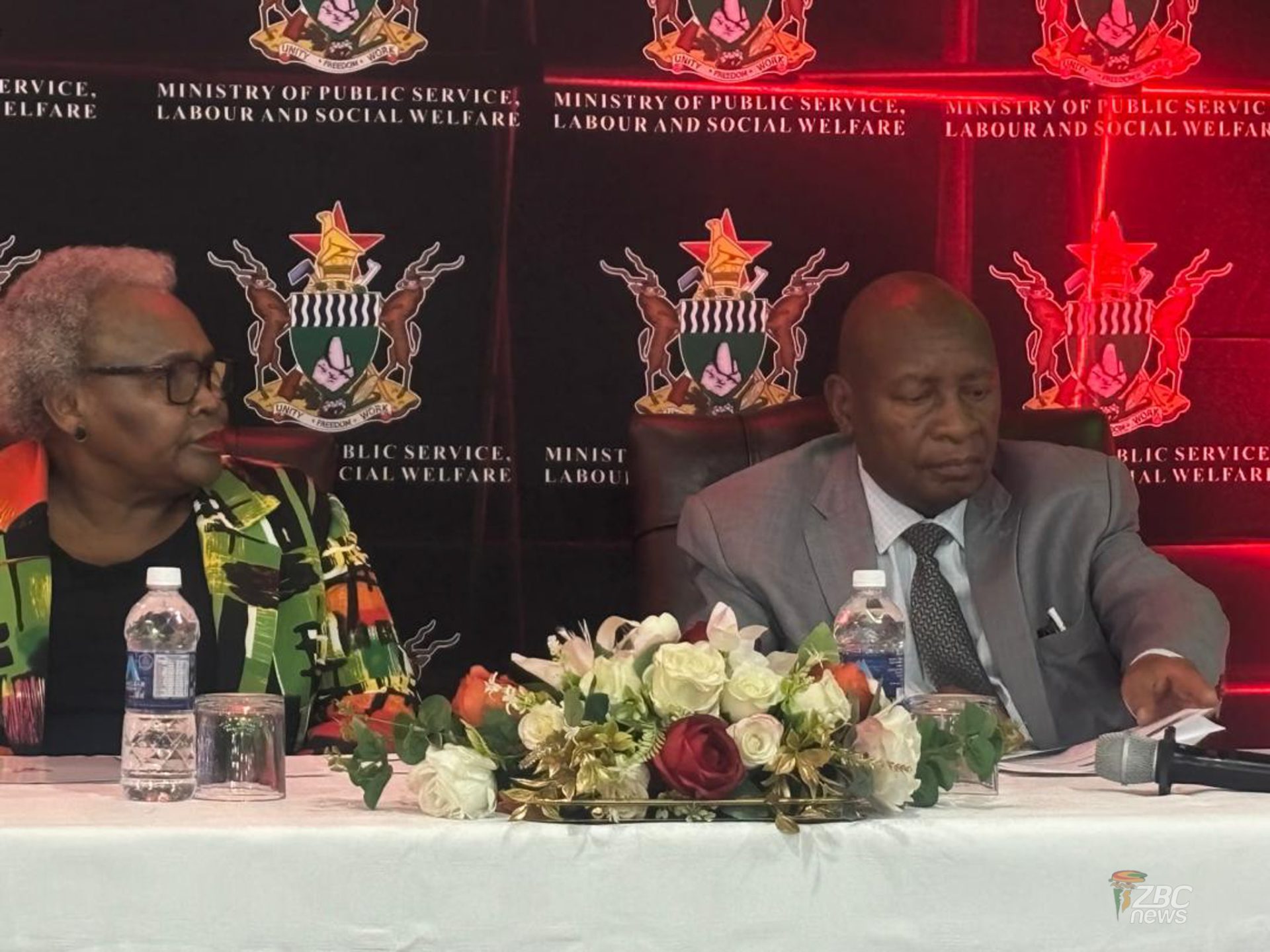
Speaking on the sidelines of the engagement, Minister of Public Service, Labour and Social Welfare, Honourable Edgar Moyo, underscored the link between social development and broader economic transformation.
“From a national policy perspective, Zimbabwe recognises social development as a catalyst for inclusive economic growth and poverty reduction. Flagship interventions in social assistance, labour market support, community development and social services are being continuously reviewed to enhance technical efficiency, sustainability and impact,” Honourable Moyo said.
South Africa’s Minister of Social Development, Gladys Tolashe, stressed the importance of regional cooperation in confronting these shared challenges.
“Our bilateral partnership within the framework of the Bi-National Commission will bring tangible mutual benefits as we address our geopolitical and social challenges, advancing an inclusive national development agenda that leaves no one behind,” she said.
Implementation of this Memorandum of Understanding is also envisaged to feed into the greater agenda of development under the Sustainable Development Goals and the African Union 2063 agenda.

