



Story by Mercy Bofu-Matinha
Small-scale farmers are proving to be key drivers of Zimbabwe’s agricultural transformation, showing that with the right skills and support, they can successfully operate viable commercial enterprises.
A remarkable farming transformation is unfolding on a 100-hectare plot in rural Bikita, Masvingo Province.
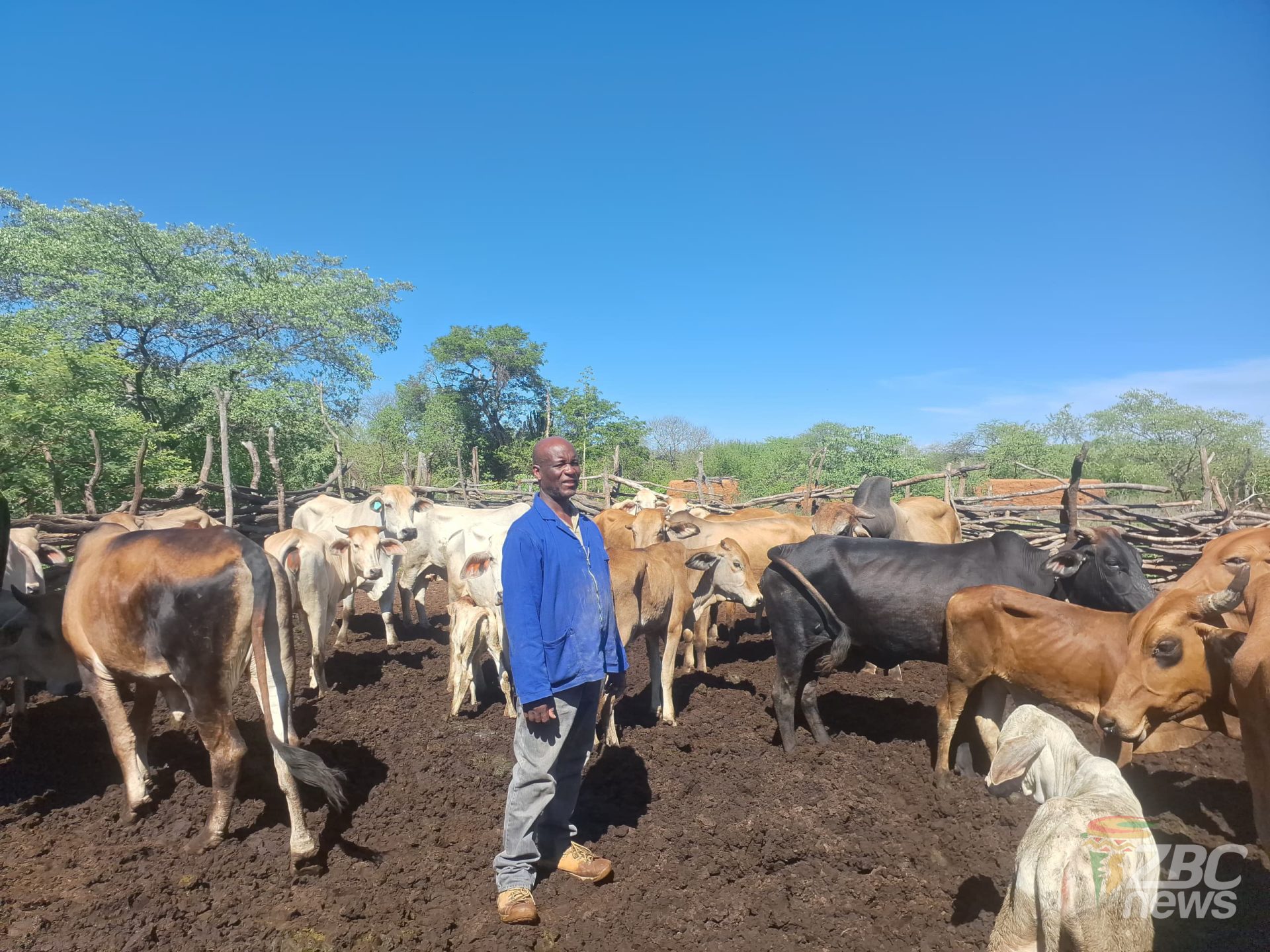
When 60-year-old Mr Silas Muneri returned home from South Africa in 2023, the only certainty he had was access to land acquired under the Land Reform Programme. What he lacked were the skills required to run a fully-fledged farming business.
ZBC News caught up with Mr Muneri during a skills audit exercise conducted by the Ministry of Skills Audit and Development, focusing on the agriculture sector.
“When I decided to start farming, I wasn’t sure if I would succeed. My elderly parents were the ones staying here and they were only doing small projects. I chose not to return to South Africa, even though I had a stable job, and decided to concentrate on farming. I started with poultry, selling broilers and eggs. Agricultural Business Advisory Officers who visited the farm supported me and gave me ideas to expand. They later selected me, along with 69 others, for training in fish farming in Nyanga. Since then, I began fish farming, expanded into piggery and started building our cattle herd,” he said.
As his confidence grew, so did his ambition. In addition to livestock diversification, he introduced cash crops such as chilli and buckwheat alongside maize and traditional grains, ventures that have opened new income streams.
“What I realised is that diversification is very important. You won’t suffer major losses, and the projects complement each other. What is key is record keeping so you can see if you are making losses and how to grow your business, a skill we gained from the training,” he added.
Mr Muneri’s capabilities continue to strengthen through government-supported training programmes.
“The market is sometimes a challenge, but most of our produce is bought locally. We encourage more commercial farming training in this area so that when production increases, we can sell as a group,” he noted.
Agricultural Business Advisory Officer Ms Daisy Makamba says Mr Muneri’s story demonstrates the vast potential of small-scale commercial farmers when they receive consistent guidance.
“This area has huge potential, even though it is relatively dry. Many farmers we work with, especially those who have engaged experts, are doing well. We maintain strong relationships with our farmers to ensure maximum production,” she said.
What began as a modest effort to keep the family land productive has now become a testimony of possibility.
Mr Muneri has shown that with the right skills and government support, small-scale farming can evolve into a meaningful livelihood and a model for farmers across rural Zimbabwe.

