



Story by Mercy Bofu-Matinha
GOVERNMENT-backed empowerment initiatives such as Pfumvudza/Intwasa are transforming rural livelihoods in Zaka District, where smallholder farmers are embracing sustainable agriculture and reaping tangible benefits from improved productivity and self-reliance.
Among them is Gogo Elizabeth Makwangudze of Jichidza, a member of the Kuwirirana Farmer Field School, a community-based group formed in 2021 and now comprising 30 farmers. The initiative, supported by the Ministry of Lands, Agriculture, Fisheries, Water and Rural Development, promotes knowledge sharing and modern conservation farming techniques to improve food security.
Through the Pfumvudza/Intwasa programme, Gogo Makwangudze has cultivated more than four plots annually and consistently delivered her harvests to the Grain Marketing Board (GMB). The resulting income has enabled her to reinvest in farming inputs and launch small-scale businesses.
“I joined this group in 2021 when we started the pfumvudza programme. At first, we did not understand the concept, but after harvesting, we realised that the programme was meant to empower us. We then formed a group called Kuwirirana, where we are saving our profits and starting to buy inputs and farming equipment for each other. Now, many of us are empowered and venturing into various businesses, including poultry projects,” Gogo Makwangudze said.
Guided by an extension officer, the group provides a platform for farmers to share experiences, adopt modern conservation agriculture techniques, and strengthen community-based learning.
“We started as 26 farmers only, and now we are 30. This group has been very useful to us as we used to farm large hectares of land, but our harvest was very low. Now we are producing more and all of us, we are now able to fend for our families because of this empowerment programme,” Mr Martin Mazhetese said.
“As extension workers, we realised that it is easier to work with farmers as a group because they exchange knowledge and information on current agricultural trends. This farmer field school programme, spearheaded by the government, has removed the donor dependency syndrome among farmers. They now work for their families and generate income to fund other projects,” Ms Alice Mazorodze said.
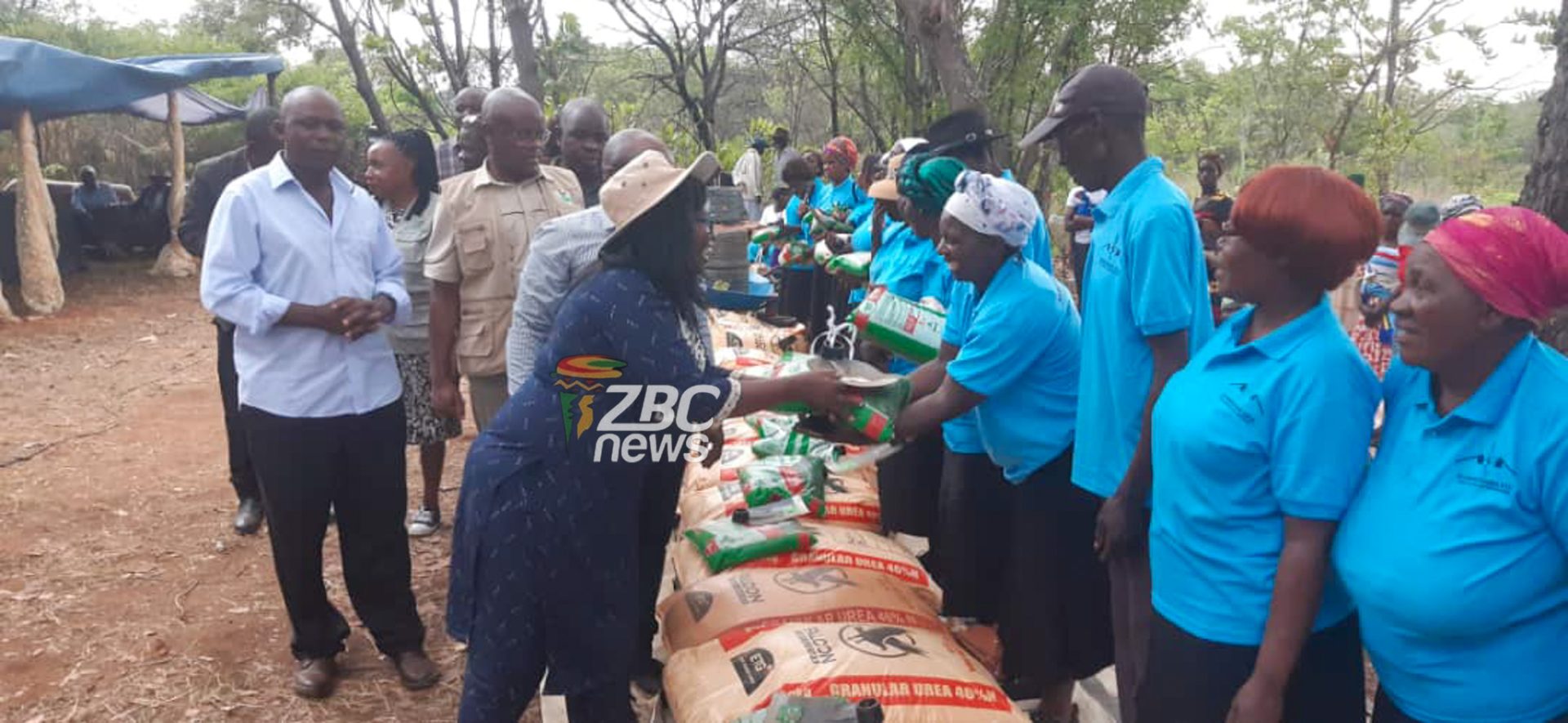
Chief Director in the Ministry of Lands, Agriculture, Fisheries, Water and Rural Development, Mrs Madeline Magwenzi, who visited the group in Zaka, said empowerment initiatives are central to achieving sustainable development and improving community livelihoods.
“What we are witnessing here today in Zaka is in line with our government’s vision of ensuring improved livelihoods in rural communities. This is what we call rural development, when communal farmers take part in government programmes like Pfumvudza and go on to make them sustainable by diversifying into other income-generating projects that sustain their families. The most important part of this story is that this group is no longer vulnerable as they are now able to buy their own inputs and no longer rely on donor funding or government assistance,” she said.
The Kuwirirana Farmer Field School stands as testimony of how agricultural empowerment initiatives are not only transforming productivity but also instilling a sense of ownership, resilience, and sustainability among rural farmers.

