



Story by Abigirl Tembo, Health Editor
ACCESS to healthcare in rural Zimbabwe is steadily improving as the Government accelerates the rollout of its 10-kilometre clinic vision, a key pillar of Vision 2030 aimed at ensuring that no citizen travels more than 10 kilometres to access medical services.
In Mutare District, the ambitious policy is already changing lives, with new clinics, refurbished hospitals, and decentralised laboratories bringing quality health services closer to communities.
Madanga Clinic in Zimunya, one of the newly completed facilities, has eased the burden of long walks to distant hospitals for surrounding villagers.
“This clinic is really helping us because now we no longer have to walk long distances like we used to do in the past because the services are now at our doorstep,” Mbiza village head, Mr Fanuel Mbiza said.
“Our children and wives now have access to prenatal services, and we no longer have a problem of diarrhoea and malaria, which is highly prevalent, can now be easily treated,” villager, Mr Lazarus Ratowa said.
At Madanga, the scope of services is not only physical health.
The clinic has also introduced psychiatric and counselling services to address mental health needs.
“At this clinic, we offer various services, including psychiatry services, and the uptake has been great as people come for counselling services,” Village health worker, Ms Andisambula Nyambalo, said.
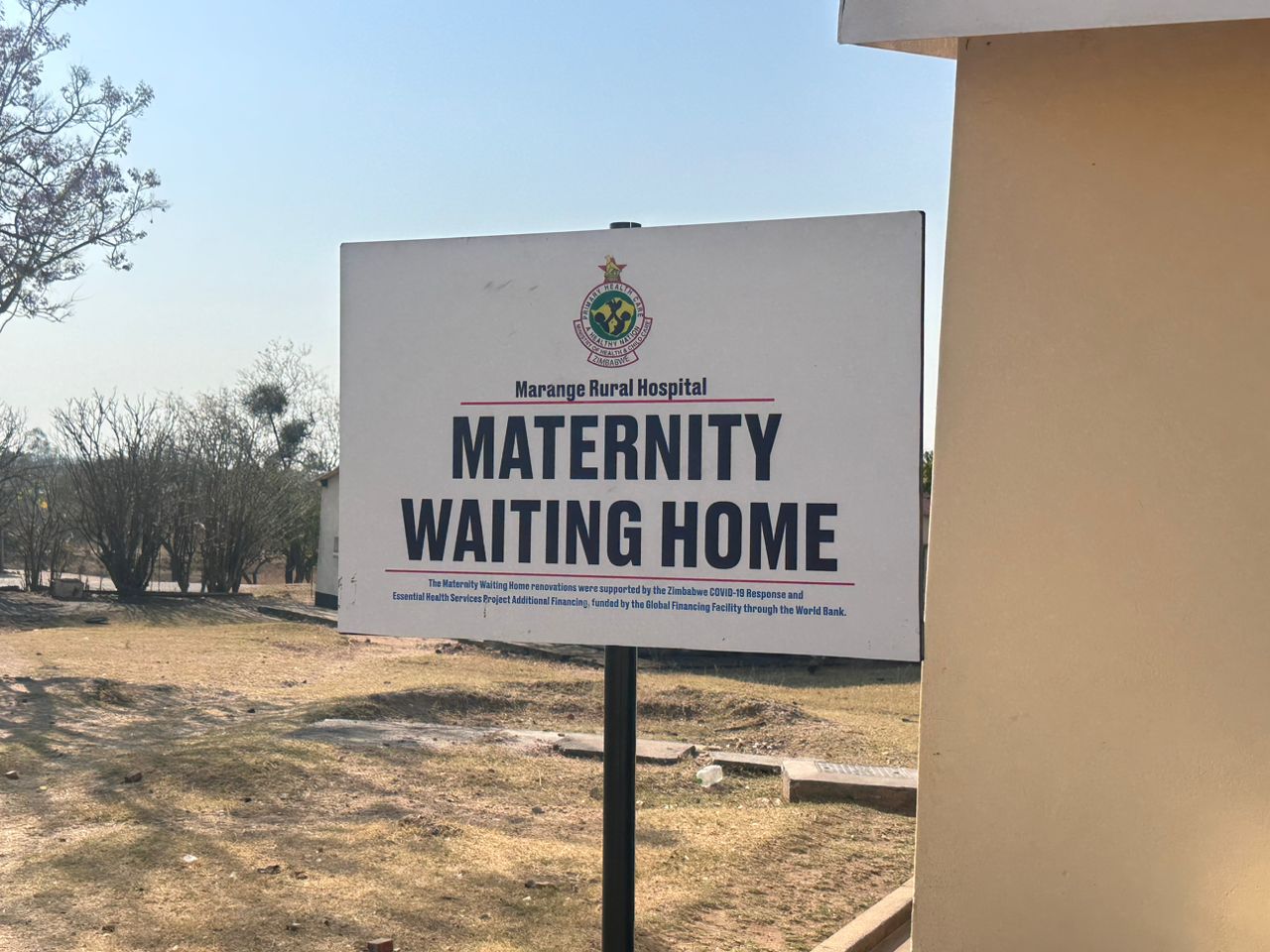
In Marange, the government has gone a step further, undertaking major renovations at the rural hospital, including the refurbishment of the mothers’ shelter.
“I am expecting my second child and have been having a lot of complications, which is why I am at this mother’s shelter, and now that it has been renovated, I am enjoying my stay here,” expecting mother, Patricia Dzinge said.
“In this area, we, as the traditional leadership we are really grateful for what the government is doing, the developmental projects they are undertaking. In this area, we now have a clinic within a 10 kilometres radius, and some of the clinics and health posts are being constructed as we speak, which is a welcome move,” another expecting mother, Margret Mupara said.
Decentralising laboratory services is another critical aspect of the government’s universal health strategy.
At Marange Laboratory, services once only available in Mutare are now accessible locally.
“At Marange Lab, we run a number of tests that include TB testing, testing for malaria, for cholera, testing for pregnancy, blood glucose, EID, and viral load, just to mention a few. This lab is helping because people do not have to travel to Mutare in order to get the result. And even if they go there, there will be a lot of people, and the result might not come out on the same day. So they get their result, even if they are referred, they will go there with the results, so they will get assistance early. Our catchment area covers Mutare district in the eastern part, and we cover almost 26 clinics,” Microscopist, Mr Victor Muchenyu said.
With new clinics, refurbished hospitals, decentralised laboratories, and expanded mental health support, the government’s promise of universal health coverage is steadily becoming a reality.
“So far as a district, we do have 54 health facilities that include eight urban clinics and hospitals. Then, in terms of construction of new facilities, we’ve put two new facilities that we actually constructed and are now fully functional, and we have six that are at different levels of construction, and our target is to have 14 facilities by the year 2030,” Mutare District Medical Officer, Dr David Muchirewese, said.
The Government’s 10-kilometre clinic vision is not just policy on paper, but a step towards universal health coverage and Vision 2030.

