



Story by Lisa Masuku-Kurira
WHILE the country has made significant progress toward achieving the 2030 target of ending AIDS as an epidemic, the progression of Advanced HIV Disease (AHD) could derail the gains recorded so far.
AHD refers to the late stage of HIV infection, characterised by a severely weakened immune system, making individuals more susceptible to opportunistic infections and complications.
Health experts warn that without targeted interventions, the growing burden of AHD could undermine national efforts to control and ultimately eliminate the epidemic.
Its progression threatens the attainment of the 2030 targets by increasing new infections and deaths, particularly among those diagnosed late.
“In Zimbabwe, we are not spared from people presenting late with advanced HIV. As a nation, we need to address that, as it can derail all the progress that we have made so far in our HIV fight. Some of the factors contributing to advanced HIV include socio-demographic factors like older age, male sex, illiteracy, and unemployment; stigma and lack of awareness concerning HIV and its treatment,” Mpilo Hospital Centre of Excellency Medical Director, Dr Nkazimulo Tshuma said.
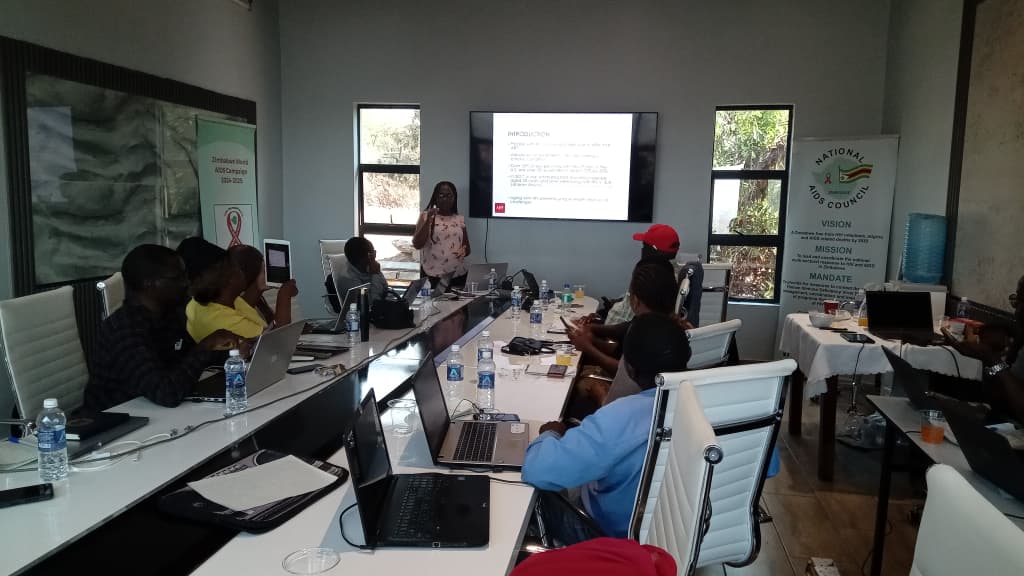
To raise awareness of Advanced HIV Disease, the National AIDS Council has developed strategic alliances with key community structures such as traditional leaders, civic organisations, and faith-based institutions.
“We have created strategic alliances with civil society organisations, community leaders, and religious leaders in an effort to try and make sure people have an appreciation of the effects of AHD,” Bulawayo National AIDS Council Programmes Officer Douglas Moyo said.
Individuals with Advanced HIV Disease are at higher risk of opportunistic infections, with the majority of AIDS-related deaths occurring in this group.

