



Story by Mercy Bofu-Matinha
MASVINGO – THE introduction of night clinics in HIV hotspots across Masvingo along with the formation of community-led monitoring committees has been instrumental in improving access to clinical services for vulnerable groups, particularly key populations, contributing significantly to the reduction in new HIV infections and overall prevalence rate in the province.
Introduced by the Ministry of Health and Child Care in collaboration with the National AIDS Council (NAC), the initiative is bringing essential services directly to the communities that need them most, after dark and on their terms.
“We are happy that our government and NAC came up with the idea of night clinics. Issues of stigma and discrimination have been hindering many from visiting healthcare facilities, especially when they are part of key populations. However, through this programme, the health personnel are trained and there are peer educators who encourage us to visit these clinics. The most important thing is that all the services including medication for STIs and other related diseases are usually available,” a community member said.
“The community-led monitoring committees always engage us to hear our challenges and see how best we can access clinical services as key populations. This has helped many to be initiated on ART medication, ensure adherence to medication and use preventive measures that help in curbing the spread of HIV-related diseases,” another added.
In districts such as Gutu, Masvingo Urban, and Zaka, night clinics have been strategically deployed in identified HIV hotspots including Bhasera, Zoma, and Chomsky.
“Here in Gutu, we identified HIV hotspot areas like Bhasera, Zoma, Chomsky area and many others where we visit and set up night clinics. We will be offering various services including HIV testing, screenings for sexually transmitted infections, reproductive health counselling, pre-exposure prophylaxis distribution, antiretroviral support and general health check-ups. The response has been overwhelming as the initiative addresses the issue of stigma and discrimination,” Focal Nurse for Gutu Rural Hospital Sister Farirai Dambwara noted.
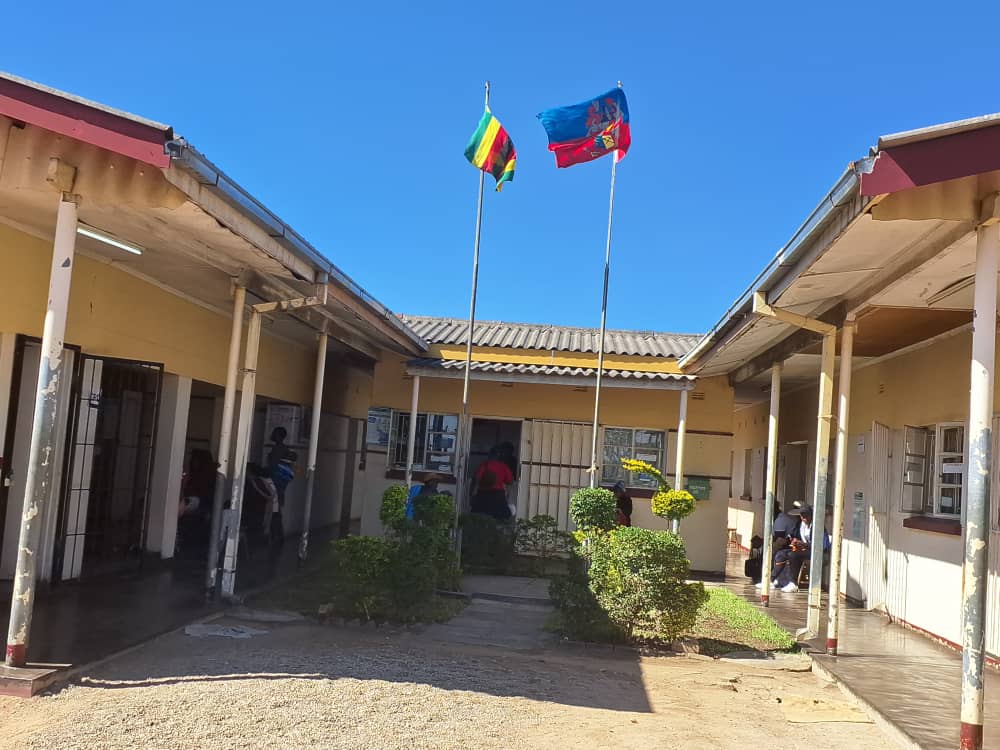
“Here at Runyararo Clinic, the key population programme started in 2018 and it saw the healthcare personnel being trained on how to manage and work with key populations. It also culminated in the formulation of community-led monitoring committees that have been key in bridging the gap between healthcare personnel and the key population. To date, the number of people accessing services under the Key Populations Programme continues to increase,” the Nurse in Charge at Runyararo Clinic in Masvingo, Sister Christine Chauke added.
NAC Masvingo’s Monitoring and Evaluation Officer Mr Munorwei Munyikwa said due to these targeted efforts, HIV prevalence in Masvingo has dropped to 9.58%.
“As a province, we have several peer-led community-based interventions targeting key populations being implemented in various districts of Masvingo. We are happy that the HIV prevalence rate in Masvingo has been declining every year and currently it stands at 9.58 percent. Again, the incidents rate that is the new infections rate has been declining and it stands at 0.13 percent,” he said.
The night clinic model demonstrates how flexible service delivery, community engagement, and improved accessibility can strengthen the HIV response, ensuring that healthcare remains available to all, even after regular hours.

