



Story by Memory Chamisa
ENVIRONMENTAL experts have emphasised the need for a multi-sectoral approach to enhance conservation outcomes that benefit both people and nature indicating that such collaborations are vital in tackling human-wildlife conflict, promoting sustainable development, and preserving biodiversity.
Speaking at the recently concluded Southern African Development Community (SADC) Transfrontier Conservation Areas Nations Conference and Summit, the International Fund for Animal Welfare (IFAW) launched the Room to Roam initiative which aims to increase community participation in conservation efforts.
“People and wildlife sharing spaces presents opportunities and challenges. Ensuring connectivity across landscapes for elephants to roam freely is critical for their long-term survival and local communities are fundamental for this vision to become a reality.
“By working together, thousands of elephants will be able to roam freely while local communities retain ownership that enables them to prosper socially and economically. People and animals thriving together is, after all, the cornerstone of our Room to Roam initiative,” Mr James Isiche, IFAW Africa Director, said.
Dr Mike Knight, leader of the World Wide Fund (WWF) Transboundary KAZA programme, highlighted key priorities including protecting threatened species, supporting ranger welfare, and fostering coexistence between communities and wildlife.
“Human-wildlife conflict often results in illegal wildlife killing and trade. This complex matter has no simple solutions and requires significant investment.
“We hope this partnership will foster landscape connectivity, protect threatened wildlife, improve ranger welfare, promote coexistence, and support local communities in natural resource stewardship thus preventing human-elephant conflict, and protecting elephant corridors and habitats,” he said.
Meanwhile, Zimbabwe Parks and Wildlife Management Authority Director International Conservation, Professor Patience Gandiwa, highlighted the significance of giving elephants room to roam, saying they cannot be marooned on conservation islands.
“Maintaining or ideally increasing connectivity benefits not only elephants but also supports other ecological processes that contribute to the overall resilience of the landscapes.
“Additionally, ecological connectivity can be integrated with other vital areas, such as those significant carbon sinks, providing multiple benefits for conservation and sustainable development across southern and East Africa. IFAW will continue to build on decades of science and field research to better understand the drivers of elephant population change and ecological dynamics over time and space.
“Such insights will help researchers accurately predict when and where population collapses could occur and respond with practical conservation and restoration solutions that ensure healthy and viable elephant populations.”
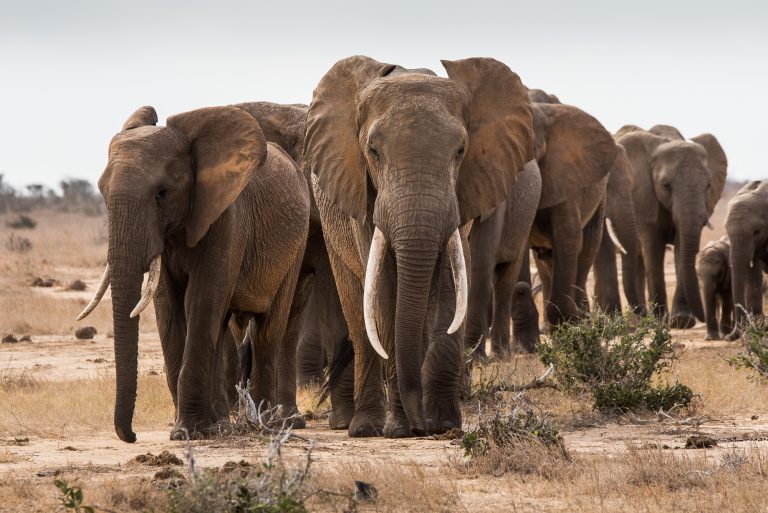
This initiative aims to safeguard elephant populations and involve local communities in more sustainable natural resource governance and management practices across multiple, interconnected ecosystems.
The Kavango-Zambezi Transfrontier Conservation Area (KAZA) holds over 220 000 elephants, which is more than half of Africa’s savanna elephants.

