



Story by Memory Chamisa
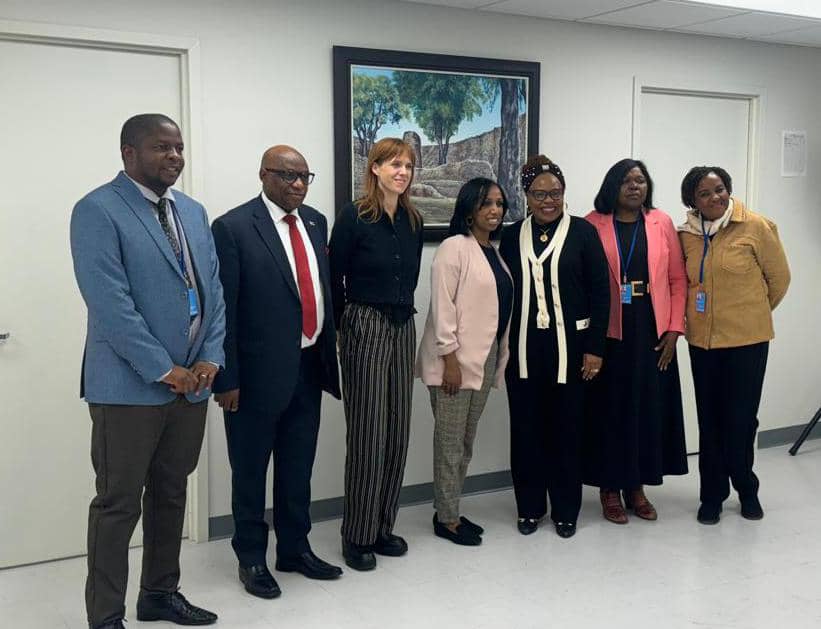
THE Zimbabwean delegation to New York this Wednesday hosted a meeting on the sidelines of the ongoing 69th session of the Commission on the Status of Women, with some of the speakers outlining Zimbabwe’s institutional mechanisms as key drivers of gender action in championing women empowerment.
“As the Parliament, we are lobbying for women’s rights and we make sure that we lobby for their rights from draft bills until they are passed into law. Parliament’s innovative institutional mechanisms feed into the National Gender Machinery,” Zimbabwe Women’s Parliamentary Caucus Chairperson Senator Maybe Mbowa said.
Secretary of the Public Service Commission, Mrs Sibusisiwe Zembe, emphasises that the integration of gender mainstreaming in the public service has enabled government departments to attain gender equity.
“Institutionalisation of gender mainstreaming in the Public Service has enabled government departments to have gender equity with women heading most of the departments and we are proud to say Zimbabwe is one of the leading countries in the Southern Region that has implemented that,” Public Service Commission’s secretary Mrs Sibusisiwe Zembe notes.
The Minister of Women Affairs, Community, Small and Medium Enterprises Development, Senator Monica Mutsvangwa spoke on Zimbabwe’s innovative approaches towards women empowerment.
“Zimbabwe has registered significant progress in promulgating laws and amending existing ones in line with our constitutional aspirations and the global and regional normative standards. Progress tracking on the implementation of these frameworks is institutionalised in the National Monitoring and Evaluations frameworks and systems as well as through periodic and statutory reporting to treaty body mechanisms,” Senator Mutsvangwa said.
“Zimbabwe has enacted legislative measures to achieve a 50/50 gender representation as stipulated in our Constitution, extending Parliamentary Constitutional Quotas for two additional terms and introducing a 30 percent quota for local government. The implementation of these measures has yielded significant results, with women’s representation in local government rising from 13 percent in 2018 to 42 percent in 2023.
“All constitutionally appointed bodies have achieved 50 percent women’s representation, and the judiciary has maintained this standard. Notably, Our President Emmerson Mnangagwa has appointed women to the positions of Attorney General and Prosecutor General. Additionally, women constitute over 30 percent of decision-makers in the public service and representation in public sector entities stands at 40 percent.”
The 69th session on the Commission on Status of Women has seen countries committing themselves to implement the Beijing Declaration and its Platform for Action on gender equality across all sectors.

