



Story by Abigirl Tembo, Health Editor
WOMEN have been encouraged to take advantage of the Human Papillomavirus (HPV) vaccine to protect themselves and their children against cervical cancer.
This comes at a time when cervical cancer has emerged as one of the leading causes of cancer deaths among Zimbabwean women.
A recent study by the Mutala Trust has shed light on the alarming lack of awareness surrounding the Human Papillomavirus (HPV) and its link to cervical cancer.
Mutala Trust Director, Professor Tariro Makadzange stressed the importance of vaccines in preventing chronic diseases.
“We are all very familiar with some viruses, with COVID, because it affected all of us. But there are other really important viruses, such as human papillomavirus, that people are not as aware of. We also showed very clearly that people don’t know much about cervical cancer. And only 4 per cent of the people we interviewed linked HPV and cervical cancer. So HPV is a virus that many of us get.
“It’s a common virus. We get it when people start to become sexually active; it is when they get exposed to it. And that’s why our ministry and health officials globally recommend vaccination as early as possible before people get it. And once you get it, some people clear the infection, but some people don’t. And those that don’t, over time, go on to develop cervical cancer. And so until people know that link between HPV and cervical cancer, and then know that there’s an effective vaccine,” she said.
Professor Makadzange further highlighted the need for public awareness of the link between HPV and cervical cancer,
“So this is incredible, It’s one of the few cancers that we can prevent, just like hepatitis B causing liver cancer. HPV causes cervical cancer. And we can take vaccines that prevent us from getting cervical cancer. And so from this study, we learned that people don’t know much about HPV. They don’t know much about the link to cervical cancer. And so we hope programs like this enable people to know that.
“We also learned that people have certain fears and misconceptions about vaccines that we need to address. We need to inform people that they’re safe and that they’re effective. We have a very strong regulatory policy, vaccine policy in our country that looks at things like vaccines and before recommending, recommend vaccines that are safe and effective. So the vaccines are there, and we hope people can start to take up the vaccine,” she added.
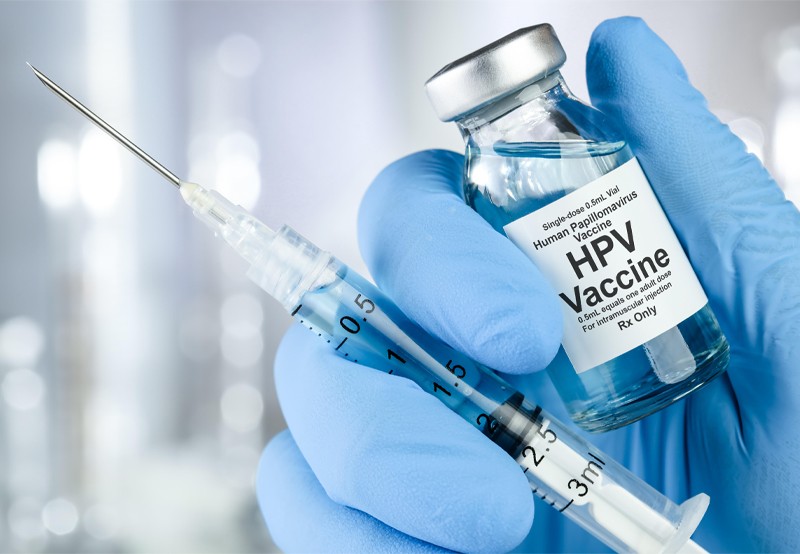
Cervical cancer is one of the few cancers that can be prevented through vaccination.
The Human Papillomavirus (HPV) vaccine, recommended for girls aged 9 to 14 before sexual activity begins, has been proven safe and effective.
Administered in two to three doses, this vaccine provides lifelong protection against cervical cancer.

