



Article by Princess Kelelo Dlamini
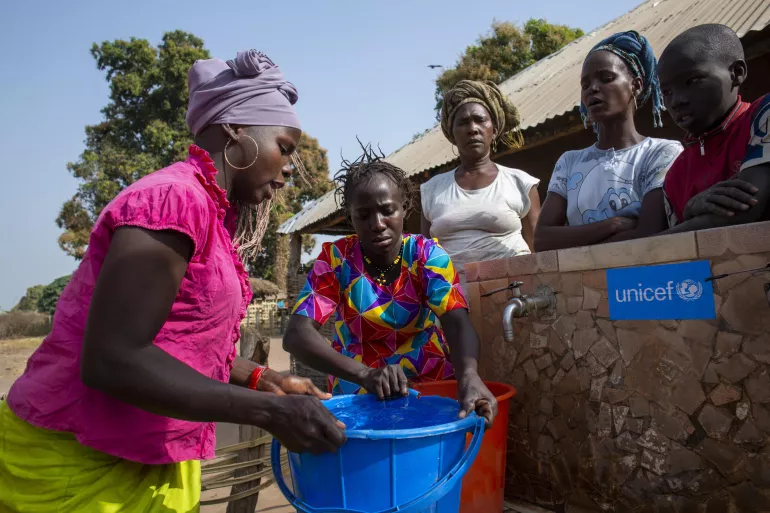
In Africa, the impact of poor sanitation on public health is alarming, particularly for women. Sanitation issues have far-reaching consequences, from disease outbreaks to womb infections and even deaths among children. The lack of proper sanitation facilities not only poses health risks, but also makes it difficult for the elderly to maintain their dignity. When sanitation is compromised, it not only affects physical health, but also has psychological implications, while the environment remains contaminated. It is crucial for women to understand the significance of sanitation and take a proactive role in addressing this critical issue. Empowering women to lead initiatives, such as those spearheaded by Candice Pitts through SAVE OUR SCHOOLS ORG (SOS) which is tirelessly working with disadvantaged communities to restore sanitation dignity especially in schools, will bring about positive change in sanitation practices across the continent.
Women-led projects can focus on improving access to clean water, promoting hygiene practices, implementing innovative waste management solutions, and advocating for government policies that support sanitation. By working together and leveraging their collective influence, women can create a significant impact in transforming the narrative of poor sanitation in Africa. With increased awareness, collaboration, and support, there is a promising future for addressing sanitation challenges and improving the overall well-being of communities across the continent. Women have the power to drive change and lead the way towards a healthier and cleaner environment for all.
Women play a vital role in addressing sanitation challenges due to their unique perspectives and experiences. They understand the specific needs of their communities and can effectively communicate the importance of proper sanitation practices. By empowering women to take the lead in sanitation initiatives, we can ensure that solutions are holistic, sustainable, and tailored to the needs of the most vulnerable populations?
Women can lead the way in sanitation projects by advocating for improved access to clean water, promoting hygiene education, and implementing innovative waste management solutions. Through partnerships with government agencies, NGOs, and other stakeholders, women can influence policy decisions and ensure that sanitation remains a top priority on the public health agenda. By mobilizing their communities and rallying support for sanitation initiatives, women can drive positive change and create lasting impacts on public health outcomes.
The impact of poor sanitation on public health, particularly for women, cannot be overstated. By empowering women to lead sanitation initiatives and advocating for improved sanitation practices, we can create a healthier and cleaner environment for all. Together, we can make a difference in transforming the narrative of poor sanitation in Africa and improving the overall well-being of communities. It is time for women to take the lead and pave the way towards a healthier future for generations to come.
Maintaining proper sanitation is not merely a matter of cleanliness; it is intricately tied to human dignity and respect. The implications of neglecting hygiene extend far beyond personal well-being, impacting public health, healthcare costs, and societal perceptions. This article delves into the critical importance of hygiene in upholding human dignity and explores the economic, public health, and social consequences of overlooking basic hygiene practices. By shedding light on the interconnectedness of hygiene with various aspects of society, we aim to underscore the profound significance of prioritizing hygiene as a fundamental element of human welfare.
Across cultures and societies, sanitation practices vary, but the underlying principle remains the same: universal sign of respect and care for oneself and the community. Neglecting sanitation can lead to a host of preventable illnesses, increasing healthcare costs for individuals and governments. From treating infections to managing chronic conditions, the financial burden of poor hygiene practices is significant.
Poor sanitation only affects physical health but also productivity. Absenteeism due to illnesses caused by lack of proper sanitation result in decreased work output and economic losses for businesses and society. understanding the link between sanitation and health, individuals can take proactive steps to protect themselves and their communities from illnesses.
Community-based programs play a vital role in promoting public health. From sanitation initiatives to clean water access, these programs have a direct impact on improving health outcomes and reducing the burden on healthcare systems. The cost of treating preventable diseases can be terribly exhausting the financial sides of government ,even families, as well as leading into unnecessary debt. Financial Burden of treating preventable diseases that result from poor sanitation practices comes at a high financial cost. Investing in hygiene promotion and infrastructure is not only more cost-effective but also helps in preventing the burden of treating these illnesses. Neglecting sanitation can have long-term health implications, leading to chronic conditions and reducing overall quality of life. By prioritizing sanitation like good water supply and toilet systems, individuals and governments can mitigate the long-lasting effects of preventable diseases.
Governments should prioritize Investing in infrastructures crucial for maintaining public health. Without proper sanitation systems, clean water sources, and waste management facilities, communities are at risk of disease outbreaks and environmental degradation.Government policies play a vital role in promoting these practices. Regulations on sanitation standards, waste disposal, and water quality ensure that basic hygiene needs are met for all citizens. By prioritizing hygiene in policy-making, governments can safeguard public health and well-being. Public health initiatives focus on educating communities about the importance of sanitation and providing resources to support good practices. From handwashing campaigns to community clean-up drives, these initiatives empower individuals to take control of their health and create a cleaner, safer environment for all. Hygiene Promotion as a Means of Disease Prevention is essential to help avoid debts to recover health costs caused by disadvantages of sanitation . Promoting good hygiene practices is a cornerstone of disease prevention efforts. Simple actions like hand washing with soap, proper food handling, and safe water storage can significantly reduce the spread of infectious diseases and improve overall health outcomes.
Behavior change campaigns aim to shift societal norms towards embracing good sanitation practices. By using creative messaging and engaging with communities at a grassroots level, these campaigns inspire lasting changes in behavior that can have a profound impact on public health.
Vulnerable communities, such as low-income areas and refugee camps, often face greater challenges in accessing basic sanitation facilities. Targeted hygiene promotion programs tailored to the specific needs of these populations can help bridge the gap and ensure that everyone has equal opportunities for good health.
Poor hygiene practices not only pose health risks but also have social implications that can impact individuals’ dignity and well-being. Stigmatization and discrimination against those perceived as unclean can lead to social exclusion and perpetuate inequalities within society. Individuals who are unable to maintain good hygiene practices may face stigma and discrimination from others. This can impact their self-esteem and mental health, creating barriers to full participation in social, educational, and economic opportunities. Sanitation as a fundamental human right and governments should forever respect it, especially with having the elderly or disabled peoplewho sometimes are nolonger able to assist themselves, or they don’t have any family members to help them.
Access to clean water, sanitation, and hygiene is recognized as a fundamental human right by the United Nations. Ensuring that everyone has the resources and knowledge to practice good hygiene not only upholds human dignity but also promotes equality and social justice for all members of society.In conclusion, the profound truth remains: without proper hygiene, human dignity and respect cannot be fully realized. The cost of treating preventable diseases far outweighs the investment required to promote and maintain good hygiene practices. As we reflect on the interconnectedness of hygiene with public health, economics, and social well-being, it becomes evident that prioritizing hygiene is not just a matter of personal choice but a collective responsibility towards fostering a healthier, more dignified society for all. Let us remember that by embracing and advocating for hygiene, we not only preserve our own well-being but also contribute to a more equitable and respectful world for generations to come.
Neglecting sanitatio can have severe consequences on public health by increasing the risk of infectious diseases, contaminating water sources, and promoting the spread of illnesses within communities. Poor hygiene practices can lead to outbreaks of preventable diseases, placing a significant burden on healthcare systems and diminishing overall well-being. Governments play a crucial role in promoting hygiene through public health initiatives, regulations, and investments in sanitation infrastructure. By implementing policies that prioritize hygiene education, access to clean water, and sanitation facilities, governments can effectively improve public health outcomes and reduce healthcare costs associated with preventable diseases.
Individuals can contribute to promoting sanitation in their communities by practicing good personal hygiene habits, such as regular hand washing, proper sanitation practices, and safe food handling. Additionally, raising awareness about the importance of these matters , supporting community hygiene initiatives, and advocating for improved sanitation facilities or by contributing with building or raising funds to build facilities can all play a significant role in fostering a culture of cleanliness and respect for all.

