



Story Tamuka Charakupa
ZIMBABWE has intensified its fight against destructive crop pests by training 40 crop inspectors in digital surveillance technologies, a milestone set to bolster national food security and protect the country’s agricultural export markets.
The training, conducted under the Africa Phytosanitary Programme, focused on equipping frontline agricultural officers with practical skills to identify, monitor, and respond to pest outbreaks in real time.
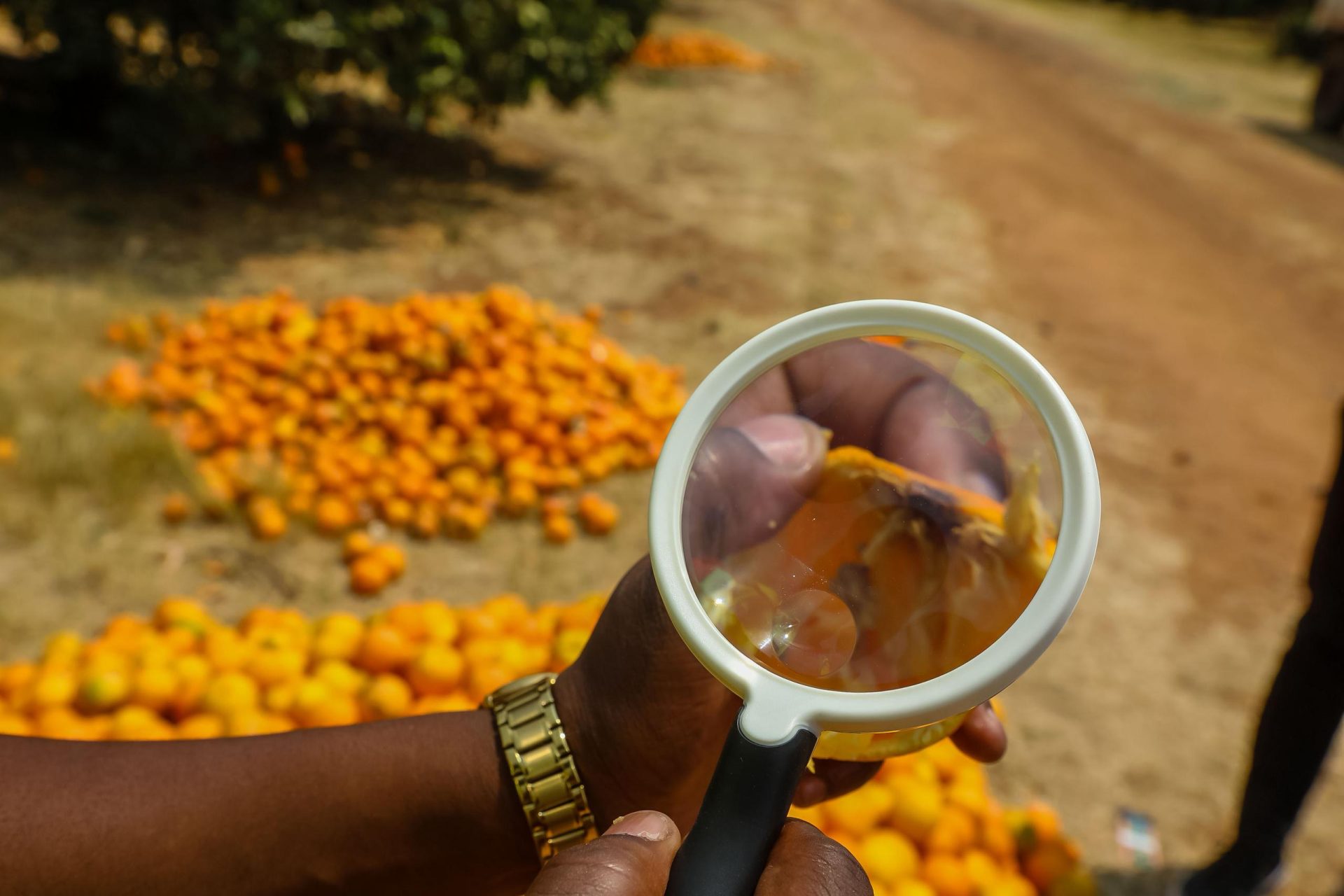
The training focused on the five most dangerous pests: Candidatus Liberibacter africanus (the bacteria behind citrus greening), Fusarium wilt of bananas, invasive Bactrocera fruit flies, Banana Bunchy Top Virus, and Xylella fastidiosa.
Agricultural experts warn that if left unchecked, these pests could inflict billions in economic losses, devastate household incomes, and trigger export restrictions.
“The aim is to establish and strengthen national surveillance networks for the early detection and reporting of the target quarantine pests,” IPPC Secretariat, Dr Descartes Koumba said.
“Participants have gained practical skills in pest identification, field surveillance, digital data collection, and timely reporting,” Plant Health Inspector, trainer, Mr Levy Gama said.
The three-day workshop held in Kadoma was delivered by six Zimbabwean experts who themselves were trained in Egypt in 2023 under a “train-the-trainer” initiative, ensuring skills are cascaded locally.
“This workshop provided frontline technicians and managers with the knowledge and practical skills needed to ensure surveillance is systematic and harmonised across the continent,” Head of Plant Quarantine Services Institute, MLAFWRD, Mrs Louisa Makumbe said.
“The training focused on five key quarantine pests that pose serious threats to crops, food security, and the country’s ability to maintain export markets,” Research Scientist, Plant Quarantine Services Institute in Zimbabwe, Dr Tinashe Runyanga said.
Through the programme, inspectors were equipped with tablets, which will allow real-time mapping, faster reporting and harmonised monitoring of outbreaks across the country.
“We have been capacitated with skills needed when conducting surveillance; therefore, this will enhance early detection capabilities for pest outbreaks,” Farm Supervisor, Mr Philemon John said.
“We have been given digital gadgets which will improve data collection and reporting on the presence and distribution of target pests,” Inspector, Plumtree Border Post, Mrs Nyasha Rinomhota said.
The Africa Phytosanitary Programme is part of a continental strategy to strengthen plant health systems in the face of rising transboundary pests and diseases.

