



Story by Yolanda Moyo
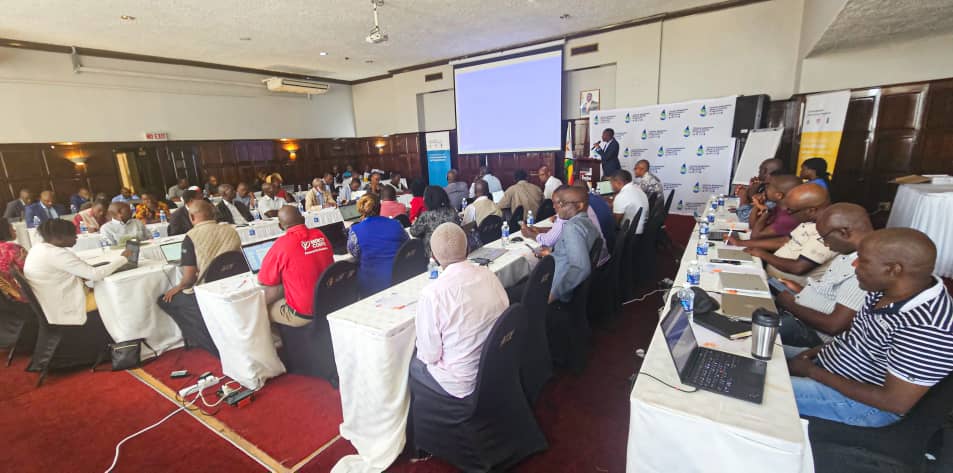
The development of a national insurance strategy for rural water infrastructure is set to ensure the sustainability and resilience of vital water resources in rural communities.
Uninsured water infrastructure has long been a vulnerability for rural communities, leaving them exposed to the financial burdens of repairing or replacing damaged facilities.
The vulnerability is worsened by the increasing frequency and intensity of climate-related events.
To address the significant economic losses, food shortages, and increased poverty to address the challenge, government and its partners are finalising the national insurance strategy for rural water infrastructure.
Director of Irrigation Development in the Ministry of Lands, Agriculture, Water and Rural Development, Dr Bezel Chitsungo said, “The ministry has partnered with the United Nations Development Programme under the Climate Adaptation Water and Energy Programme (CAWEP) project to come up with a strategy for insurance which is meant to cover rural water infrastructure. Rural water infrastructure in general covers areas in the irrigation development space over and above water supplies space. This strategy has been motivated by the need for the nation to prepare itself, especially in regards to climate change where our infrastructure has been affected by extreme weather events. The strategy will be implemented through a multi-faceted approach, involving various stakeholders, including government agencies, insurance providers, and local communities.”
The UNDP, a key partner in the development of this strategy, emphasised the far-reaching impact of this initiative.
Team Leader at Nature Climate Energy, Mrs Constance Pepukai noted, “The UNDP is committed to working with government in the development of the national strategy. This initiative will not only safeguard critical water infrastructure but also empower communities by providing them with the financial resources to recover from disasters and invest in their own development. By reducing vulnerability and fostering resilience, we are contributing to the overall economic growth and social well-being of the nation It will create a more resilient water sector, capable of withstanding the challenges posed by climate change and other shocks. By empowering communities to manage their water resources effectively, we can contribute to sustainable economic growth and poverty reduction.”
Community representatives are aware of the potential benefits.
“We are excited about the possibilities that this strategy offers. By insuring our water infrastructure, we can protect our crops, livestock, and domestic water supplies. However, it is crucial that we receive adequate information and training on how to access and utilize this insurance scheme… With insurance coverage, we can protect our water sources and ensure a reliable supply of water for our domestic needs, agriculture, and livestock. However, it’s crucial that we receive clear information and training on how to access and utilize this insurance scheme,” a community member said.
The National Insurance Strategy will be implemented through a multi-faceted approach, involving various stakeholders, including government agencies, insurance providers, and local communities.

