



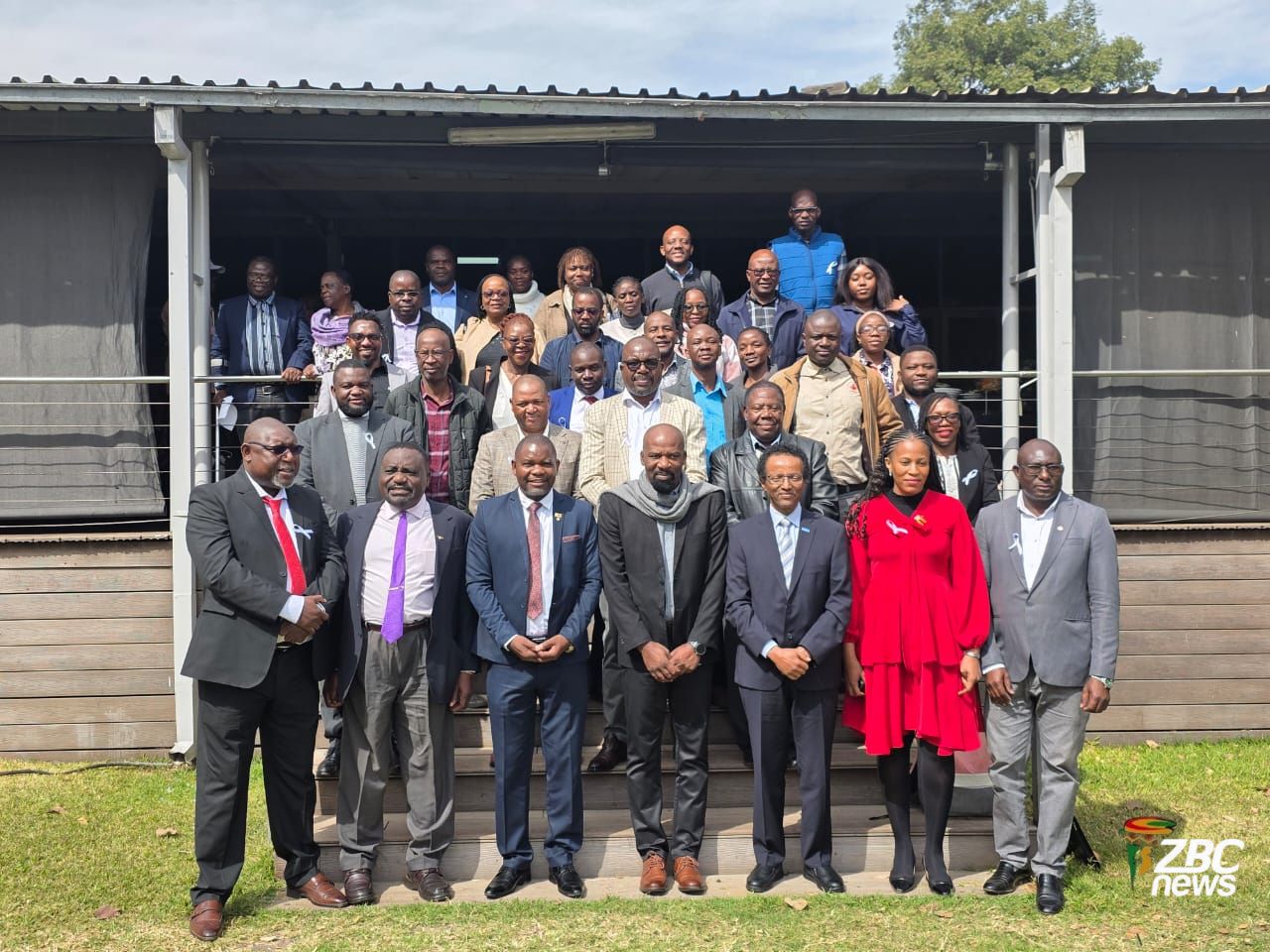
Story by Abigirl Tembo
ZIMBABWE has intensified efforts to combat lung cancer through the rollout of Phase Two of the National Lung Cancer Control Programme and the launch of new national oncology guidelines aimed at improving early detection, diagnosis and treatment.
The National Lung Cancer Guidelines and Phase Two of the Hope for Lungs Programme are designed to standardise cancer care, strengthen referral systems and equip healthcare workers to detect lung cancer earlier, at a time when many patients are still diagnosed at advanced stages of the disease.
Representing the Minister of Health and Child Care, Dr Douglas Mombeshora, Acting Director for Non-Communicable Diseases in the Ministry of Health and Child Care Dr Justice Mudavanhu said the government is strengthening cancer prevention, early diagnosis and specialised treatment through policy reforms and strategic investments.
“Cancer is a highly specialised field requiring a multidisciplinary team that includes oncologists, surgeons, radiologists, pathologists, oncology nurses and other specialists. Zimbabwe currently has two public institutions providing comprehensive cancer treatment, Parirenyatwa Group of Hospitals and Mpilo Central Hospital, while a private oncology centre has also been established.
“Through revenue generated from the Sugar-Sweetened Beverages Tax, the government has procured cancer treatment equipment worth approximately US$27.3 million, including two linear accelerator machines. The next phase will include the procurement of CT scanners and other specialised equipment as the government continues strengthening the country’s response to cancer and other non-communicable diseases,” he said.
Executive Director of the Jointed Hands Welfare Organisation, Dr Donald Tobaiwa, said the programme is prioritising the training of frontline healthcare workers to improve early diagnosis and patient referral.
“Our research found that many lung cancer cases were initially misdiagnosed as tuberculosis because the two diseases share similar symptoms. Consequently, many patients only sought treatment when the disease had reached advanced stages, limiting treatment options.
“Phase Two of the programme focuses on training frontline healthcare workers to recognise the warning signs of lung cancer, strengthen referral systems and improve patient navigation so that patients access diagnosis and treatment much earlier. Early detection, timely referral and coordinated care are critical to improving survival,” he said.
The World Health Organisation (WHO) said the new oncology and lung cancer guidelines will help standardise evidence-based cancer care while improving access to quality services as Zimbabwe advances towards Universal Health Coverage.
WHO Country Representative Dr Desta Tiruneh said:
“Every person diagnosed with cancer should have access to timely, safe, affordable and high-quality care, regardless of where they live or their socio-economic circumstances. Equity must remain at the heart of our efforts.
“WHO remains committed to supporting the Government of Zimbabwe and its partners in strengthening comprehensive cancer control, including prevention, early detection, diagnosis, treatment, survivorship care, palliative care and cancer surveillance.”
The expanded National Lung Cancer Control Programme and the new guidelines are expected to improve early diagnosis, reduce cancer-related deaths and expand access to quality cancer care across Zimbabwe.

