



Story by Fungai Jachi
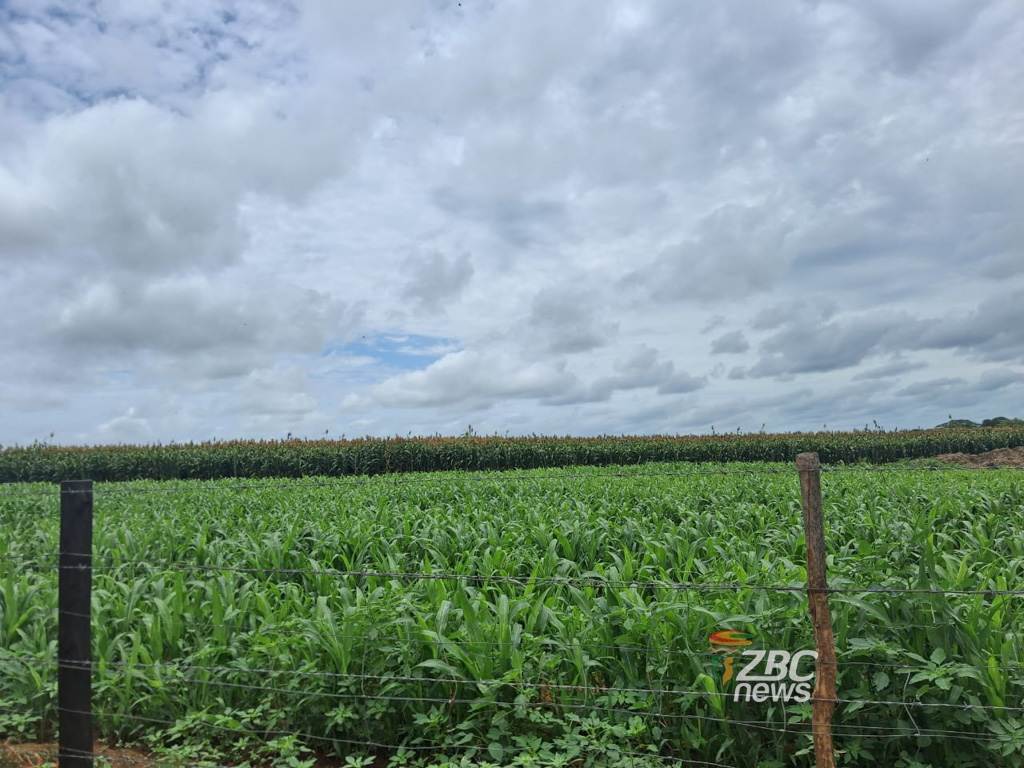
IMPROVED rainfall received across the country in recent weeks has significantly boosted agricultural prospects, raising expectations of a bumper harvest in semi-arid low-veld areas, with farmers in Chiredzi district reporting strong crop performance.
Farmers cultivating maize and traditional grains such as sorghum say the consistent wet spell has transformed a region that traditionally relies on irrigation, improving crop health and replenishing water sources.
“This year is different from other seasons. We have received good rains and our crops are doing very well,” said one farmer.
“I have maize and sorghum, and I am expecting a bumper harvest.”
Another farmer said the rains had also helped curb pest infestations that previously threatened yields.
“These rains have helped control worms that were affecting crops. Our fields are now healthy and we are confident of a good harvest,” the farmer said.
Farmers in the district added that while irrigation remains critical in the low-veld, the rainfall has eased pressure on irrigation systems and improved dam levels.
“We mostly rely on irrigation in this part of the country, but the rains have boosted our crops and filled our dams. When we revert to irrigation, it will not be difficult,” they said.
Confirming the positive outlook, Chiredzi District Agricultural Extension (Agritex) Officer, Mr Tongai Bodi, said the majority of crops planted in the district were in good condition.
“The rains have helped various crops to perform well, with about 90 percent of the planted crop doing well,” Mr Bodi said.
“Only about 10 percent has been affected by waterlogging, but no crop has been written off. With proper field management, these crops can still be saved.”
He urged farmers to closely monitor waterlogged fields and to take extra care of livestock during the rainy period to prevent losses.
Nationally, reports for the current summer cropping season indicate a significant increase in planted hectarage. Maize hectarage has risen to about 1.9 million hectares from 1.5 million hectares last season, while more than 500 000 hectares have been planted under sorghum.
The expanded planting, combined with improved rainfall, is expected to strengthen national food security and improve household livelihoods, particularly in traditionally drought-prone regions.

