



Story by Tichaona Kurewa
FOR many years, accessing essential identity documents in Zimbabwe meant long, often difficult journeys to centralised offices, especially to the capital city, Harare.
The Second Republic has, however, embarked on a spirited drive to decentralise the issuance of national documents, much to the delight of the citizenry.
This drive is anchored in the national devolution agenda and the mantra: “Leaving no one and no place behind.”
The process has been gradual but consistent.
Initial efforts included opening provincial registry offices like Lupane, and easing pressure on the central registry in Bulawayo and other major centres.
“The process of acquiring a passport is now cheap for us even the process of obtaining a passport is now smooth,” a Lupane resident said.
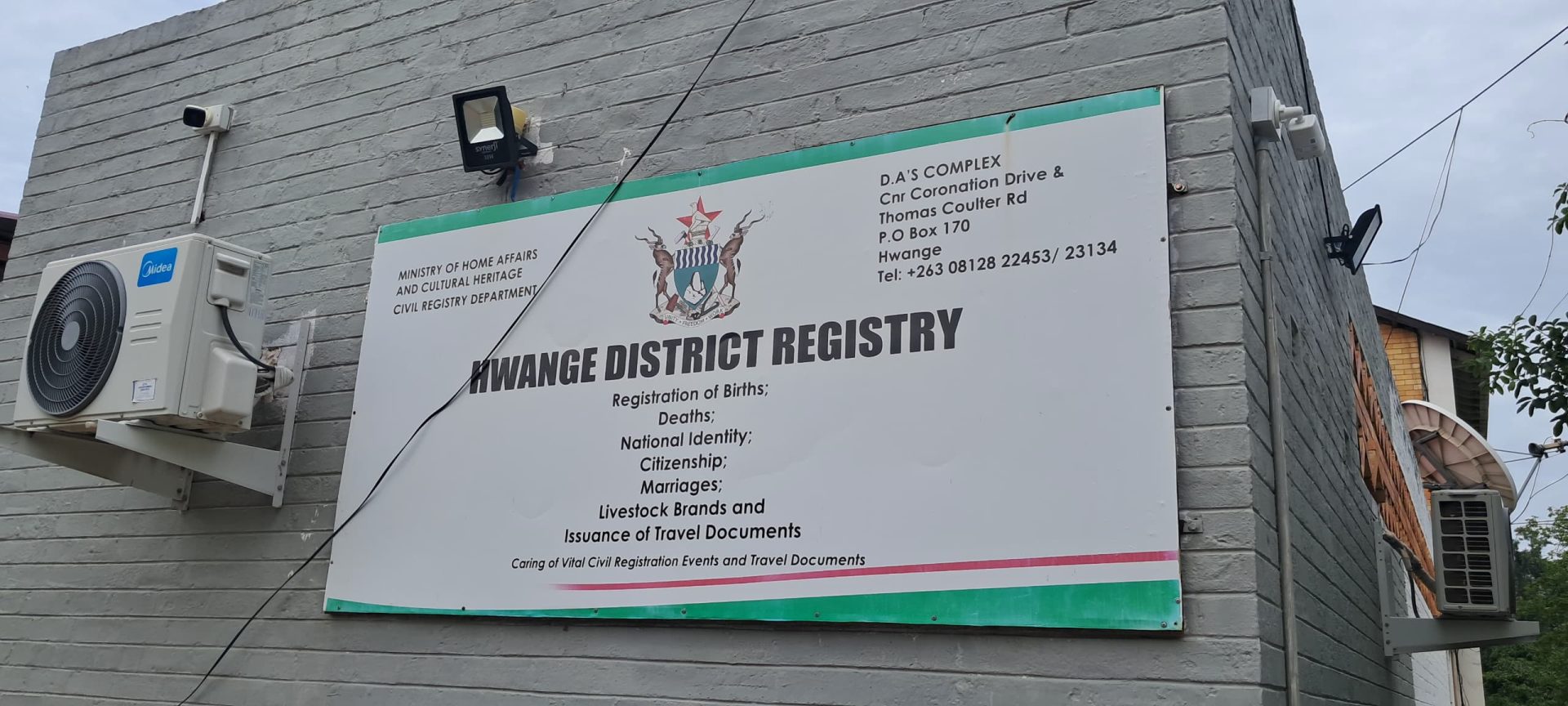
“We thank the government for opening passports offices in Hwange, everyone who needs these documents can access them easily,” a Hwange resident added.
Over time, this expanded to include district-level offices in places like Hwange, and even smaller urban centres such as Victoria Falls.
“We thank the government for the effort it has made over the years to make vital documents accessible to all people. We used to travel as far as Bulawayo for passports. Then came Lupane, and now we have Hwange, which is commendable. Mobile teams are also visiting schools to register those without documents. Most recently, chiefs have been empowered to issue birth records for deaths occurring within their jurisdictions,” Chief Hwange Mr Amos Chipaya said.
“The government has come up with decentralisation, which has made people lessen the burden of the cost that is involved because you also have to pay for the passport. It’s now catering for people from Binga, Kamativi, Victoria Falls and especially the people from the safaris,” Hwange District Registrar, Mr Alfred Jija noted.
“There are a lot of guys from the safaris who travel frequently crossing the borders to Botswana, to Zambia with tourists so their passports are usually full in less than a month. Their travelling has been minimised because they only have to travel 100 kilometres to Hwange than the 200, almost 300 to Lupane.”
Vital documents are crucial for safe travel, reducing illegal border crossings, and ensuring Zimbabweans abroad can access social services and decent work.
This year, Zimbabwe is celebrating 45 years of independence under the theme: “Zim@45: Devolve and Develop Together Towards Vision 2030”.

