



Story by Tino Zirongwe
THE Zimbabwe National Family Planning Council (ZNFPC) has stepped up efforts to secure increased domestic funding for menstrual health, engaging parliamentarians to support investment in line with the country’s universal health coverage agenda.
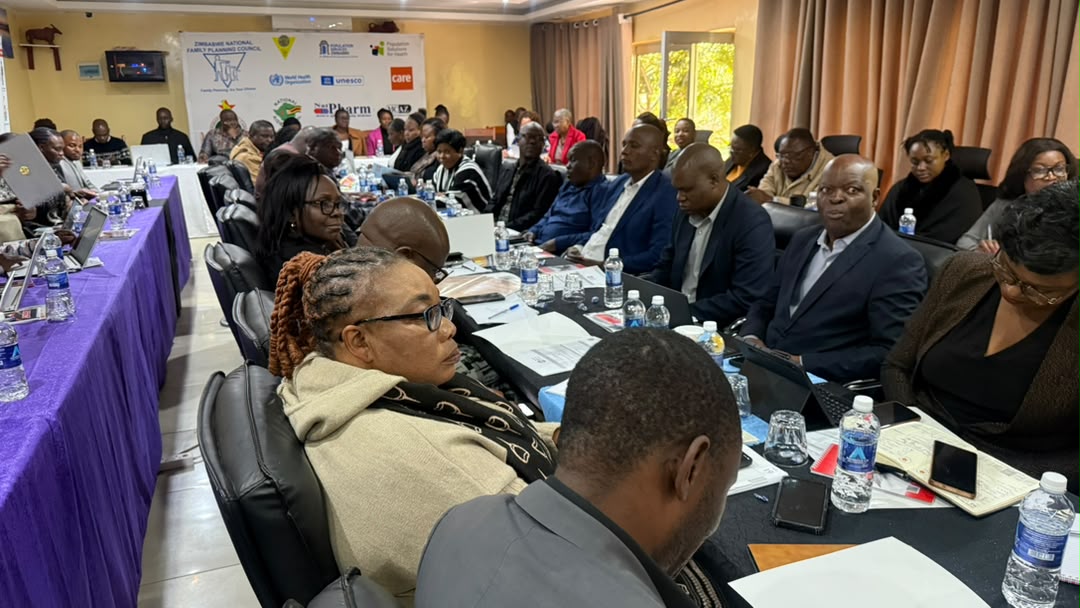
The engagement, held in Kadoma on Friday, focused on developing a sustainable domestic financing model to address menstrual health challenges and combat period poverty.
The meeting brought together legislators and development partners to strengthen parliamentary advocacy for increased investment in menstrual health programmes.
ZNFPC Chief Executive Officer, Mr Farai Machinga, said inadequate access to menstrual hygiene products continues to affect the education and wellbeing of many girls.
“An average Zimbabwean woman requires about US$23 annually for sanitary products, and for many vulnerable families this remains unaffordable. Today’s engagement with Parliament is part of our broader efforts to mobilise domestic resources for menstrual health. Investing in menstrual health is also investing in adolescent sexual and reproductive health, Comprehensive Sexuality Education, Parent-Child Communication and the dignity of every girl and woman,” he said.
Stakeholders, including the United Nations Population Fund (UNFPA), called for greater support for affordable and reusable sanitary products.
UNFPA Country Representative, Ms Miranda Tabifor, said:
“Menstrual health is a human right, and no girl or woman should be left behind because of her period. Parliament can support policies that make it easier for local manufacturers to produce affordable menstrual products while promoting sustainable reusable options that preserve the dignity of women and girls.”
Civil society organisations said further investment is needed to close existing gaps and expand awareness campaigns.
Sanitary Aid Trust Director, Mrs Theresa Machadu, said:
“Reusable sanitary wear provides a sustainable and affordable option for many women and girls, particularly those from vulnerable households. We must also strengthen awareness campaigns because menstrual health challenges affect girls in both urban and rural communities.”
Parliamentarians pledged to champion increased funding for menstrual health programmes.
Chairperson of the Parliamentary Portfolio Committee on Health and Child Care, Honourable Decent Bajila, said:
“As Parliament, we will engage the Portfolio Committee on Budget, Finance and Investment Promotion to advocate for increased domestic funding for menstrual health and family planning programmes.”
Chairperson of the Parliamentary Portfolio Committee on Women’s Affairs, Honourable Miriam Matinenga, said many girls continue to miss school because they cannot afford sanitary products.
“As the Women’s Affairs Committee, we will continue advocating for policies and resources that safeguard the dignity, health and education of women and girls,” she said.
Meanwhile, Government is implementing the National Menstrual Health Network, which seeks to standardise the distribution of menstrual products, improve water, sanitation and hygiene (WASH) infrastructure, and streamline menstrual health interventions across both rural and urban districts.

