



Story by Tichaona Kurewa
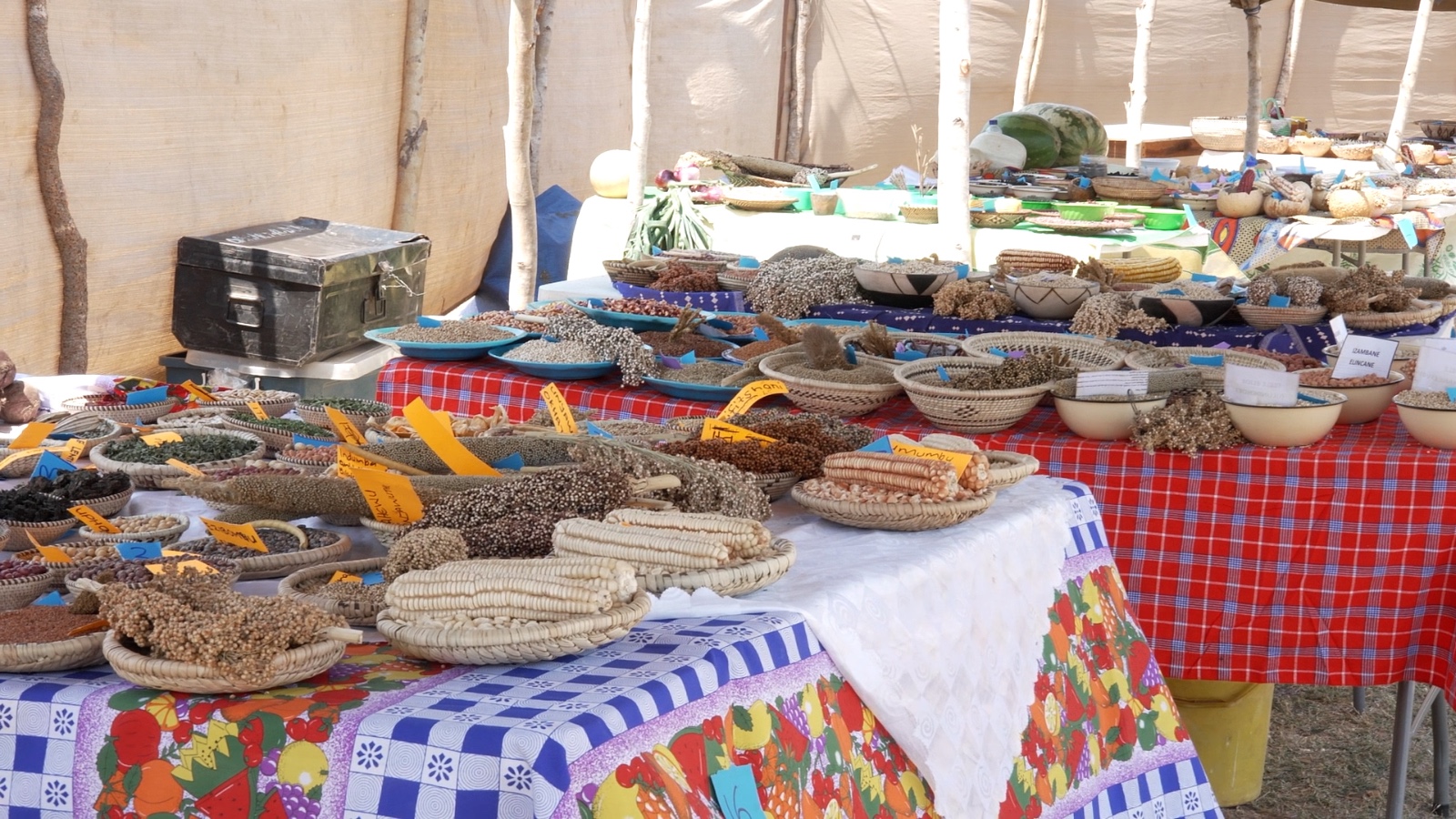
THE importance of producing traditional grains and preserving indigenous seed varieties took centre stage at this year’s edition of the Hwange Food and Seed Festival, held at Ndlovu Grounds in the district.
In an era marked by rising food insecurity and the escalating impacts of climate change, the festival aimed to revitalise traditional grains as the cornerstone of Zimbabwean agriculture.
Festival-goers described the event as an eye-opener, particularly for younger generations, who are being encouraged to embrace traditional and climate-resilient crops.
“We learnt a lot from this event. We now believe traditional grains can help end hunger at the household level,
“We’ve realised that a good harvest begins with good seed. It’s important to use well-stored, high-germination seeds,”
“This festival highlighted the need to share seeds among farmers, so everyone can access quality produce. Traditional grains can also be a source of income and improve our livelihoods,” they said.
Traditional leaders and organisers underscored the transformative potential of the festival for rural communities, with special focus on climate-resilient crops such as sorghum, millet, and cowpeas, staples well-suited for dry regions like Hwange.
“Such programmes bring us joy as traditional leaders. Anything that revives our culture, values, and customs—especially traditional foods—we fully support. This will ensure food security at the household level, which in turn makes it easier for us to lead our communities,” said Ndlovu Village, headman, Mr Joshua Ngwenya.
“This initiative is part of a broader campaign spanning eight districts, supported by PELUM Zimbabwe and its civil society partners. It complements government efforts to promote food sovereignty and climate-appropriate farming,” PELUM Zimbabwe Country Co-ordinator, Theophilous Mudzindiko.
“We’re encouraging farmers to become seed growers, keepers, and consumers of their own indigenous seeds. Small grains are resilient and well-suited for this region. The goal is to foster enthusiasm and self-reliance, while also promoting generosity through seed sharing,” festival organiser, Ms Precious Phiri.
As government finalises its National Agro-Ecology Strategy, the festival comes at a critical moment, reinforcing the national shift towards sustainable, climate-smart agriculture.

