



Story by Kenias Chivuzhe
The Zimbabwe Media Commission (ZMC) has intensified efforts to equip journalists with artificial intelligence (AI) skills, amid growing calls for ethical adoption of emerging technologies in the media industry.
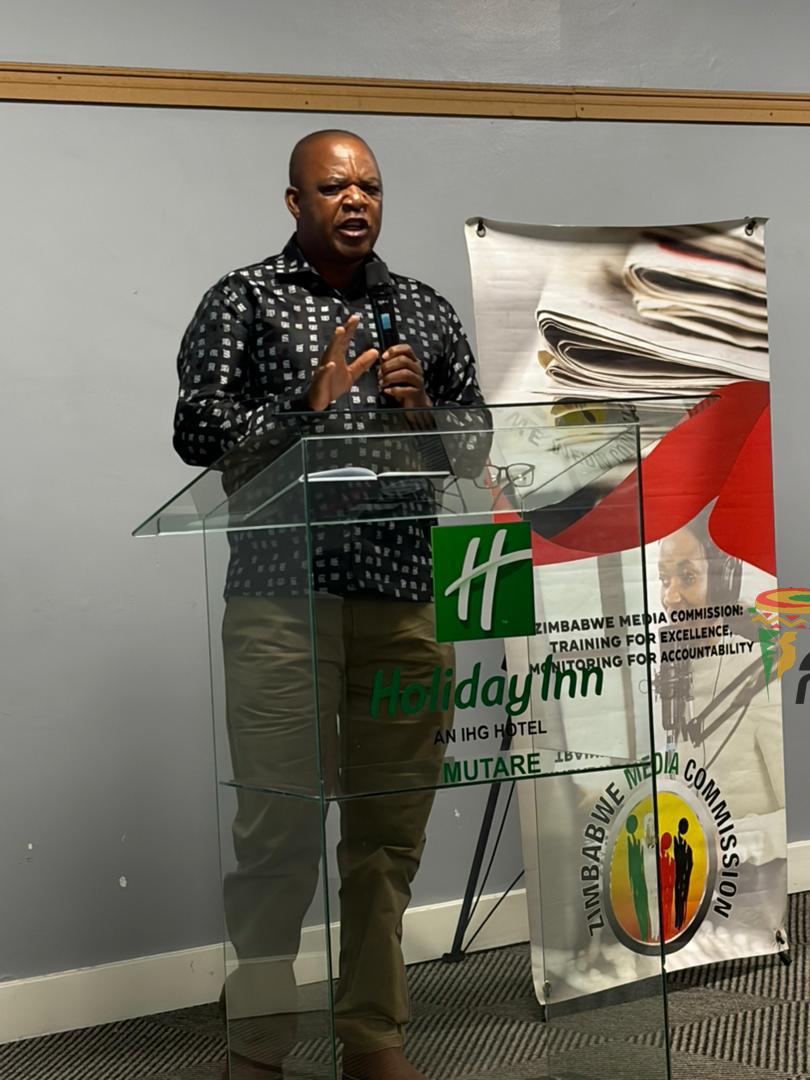
The training workshop, held in Marondera on Wednesday, brought together journalists and media experts to discuss the role of AI in modern journalism, digital transformation and the preservation of indigenous languages in the digital age.
Speaking on the sidelines of the engagement, ZMC Director for Media Development and Governance, Mrs Nyaradzo Makombe Hazangwi said AI has become an unavoidable reality for media institutions seeking to remain competitive and relevant.
“As part of our media development programmes, we are travelling across the country to capacitate journalists on emerging trends shaping the media industry. We have been focusing on the digital era and the growing influence of artificial intelligence, which we cannot afford to ignore,” she said.
Mrs Hazangwi said the commission’s objective is to ensure journalists use AI tools responsibly and ethically while helping newsrooms develop policies to regulate the technology.
“Our goal is to equip media practitioners with the skills to use AI tools effectively and ethically, while also assisting them in developing policies that guide the responsible use of these technologies,” she said.
She also stressed the importance of integrating local languages into AI systems to preserve Zimbabwe’s cultural and linguistic identity.
“We must promote and preserve our local languages as we embrace AI. It is important that we are able to input, process and produce content in our indigenous languages,” she added.
Media experts attending the workshop warned that without deliberate digital transformation, Zimbabwe risks excluding indigenous knowledge systems from future AI development.
Facilitator Dr Thabani Moyo said much of the country’s indigenous knowledge remains offline and inaccessible to emerging technologies.
“We need to take deliberate steps towards migrating it through digital transformation so that indigenous knowledge systems become part of the agenda in training local language models on artificial intelligence,” he said.
Dr Moyo added that digital transformation should become central to media sustainability and AI adoption in Zimbabwe.
Another facilitator, Mr Conrad Mwanawashe, said the training programme draws inspiration from the Zimbabwe Artificial Intelligence Strategy launched recently by President Dr Emmerson Mnangagwa.
“The idea is to promote inclusive development using artificial intelligence so that Zimbabweans are not left behind,” he said.
Mr Mwanawashe urged media organisations to adopt AI in ways that comply with the law and uphold journalistic ethics.
“AI should not be the death knell for journalism, but if we adopt it ethically and sustainably, we can secure the future of journalism,” he said.
Journalists who attended the workshop welcomed the initiative, saying it helped deepen their understanding of AI and responsible reporting.
Participant Ms Erica Zimbudzana said the training dispelled misconceptions that AI encourages laziness among journalists.
“AI can hallucinate, and we should never use AI-generated content without proper research and verification,” she said.
Another participant, Ms Nyaradzo Mutendera said the workshop also covered the Freedom of Information Act and strengthened journalists’ understanding of access to information rights.
The workshop comes as media organisations increasingly adopt digital tools to improve newsroom efficiency and adapt to changing audience demands in the evolving global media landscape.

