



Story by Abigirl Tembo, Health Editor
AFRICA is taking bold steps to reclaim ownership of its health research agenda, as Zimbabwe this week hosts a major continental workshop aimed at ending decades of donor-driven, externally focused research.
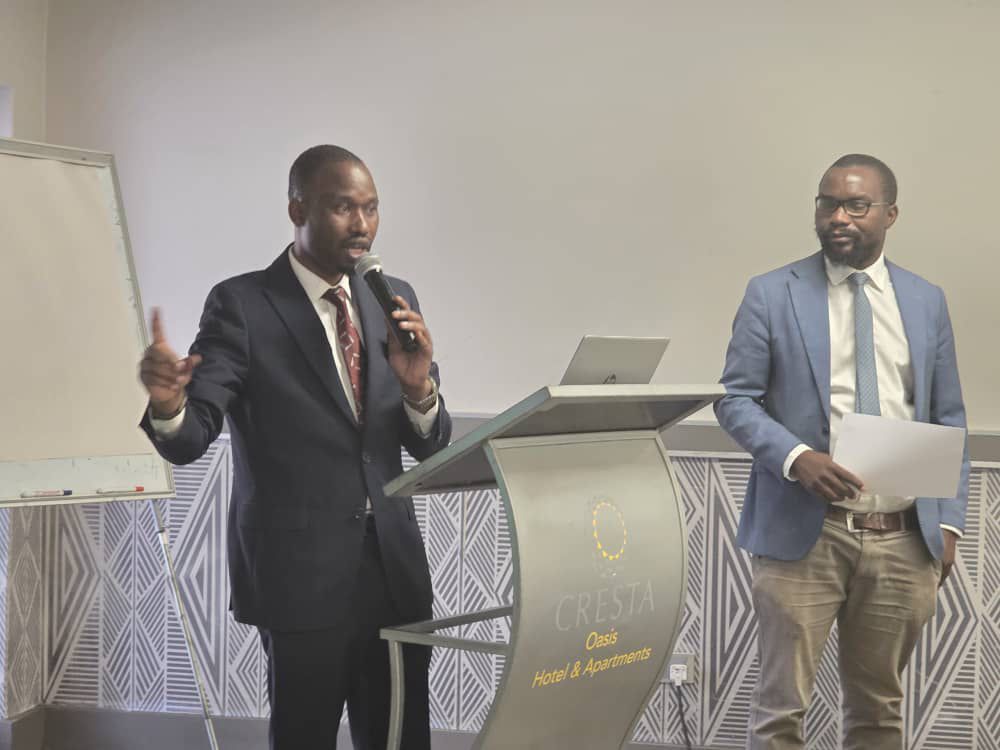
Convened by the Africa Centres for Disease Control and Prevention (Africa CDC), the five-day African Union Member States In-country Health Research and Development Prioritisation Workshop, which kicked off in Harare this Monday, is bringing together policymakers, researchers, academics, and development partners to identify priority health challenges for Zimbabwe, while contributing to the broader continental research framework.
The initiative comes against the backdrop of Africa carrying 25% of the global disease burden, yet much of its health research remains donor-funded and externally driven, often failing to address the real needs of African populations.
“When we have conducted research, we are informing, coming up with results that inform policymakers in coming up with policies and guidelines for the treatment of diseases, for the control and elimination of diseases. So, having research being conducted in the country is critical to come up with new ideas, new solutions to health problems, new treatments, new drugs, and new approaches for the control of endemic diseases or diseases that affect our continent or our people.
“We have been having challenges from time immemorial in the sense that the research that has been conducted in the country, say Zimbabwe or Africa at large, has been funded by donors,” Director of the National Institute of Health Research in the Ministry of Health and Child Care, Professor Nicholas Midzi said.
“The Africa CDC is developing a common template so every country can set priorities systematically. This will allow Africa to speak with one voice when negotiating with partners and investors, ensuring funding supports our priorities rather than external agendas,” Africa Research Prioritisation Expert Professor Tukur Dahiru noted.
“The Agenda 2063 of the African Union stipulates that the Africa Research Agenda should be impact-driven and priority-based. We have invited stakeholders to come and set priorities for Zimbabwe, which are context-specific.
“Previously, they were donor-based. So now we want to come and support research prioritisation, which is context-specific. We mean that we are meeting the local needs,” Research and Development and Clinical Trials’ Technical Officer for Africa CDC, Mrs Farisai Kuonza stated.
Previously, a donor would come with their own disease of interest, so now we are sitting down with the stakeholders, programme officers from the different Ministry of Health departments, and these have knowledge of the specific diseases that are affecting Zimbabweans. We are going to sit with them and we will look at the level of prevention, case management, morbidity, mortality, and detection,” she explained.
Expected outcomes from the Harare workshop include a comprehensive list of high, medium, and low priority diseases and health conditions for Zimbabwe, as well as a roadmap for research that aligns with both the national development agenda and the AU’s Agenda 2063.

