



Story by Abigirl Tembo, Health Editor
On a bright school day, while many children race across playgrounds, dream about the future, and worry only about homework, others are quietly fighting battles hidden beneath their smiles. Their struggle cannot always be seen. It is carried in their blood, etched into every hospital visit, every sleepless night, and every moment of pain they learn to endure long before adulthood.
As the world commemorates World Sickle Cell Day on June 19, attention turns to a condition that continues to shape the lives of thousands of Zimbabweans. For many families, sickle cell disease is not simply a medical diagnosis. It is a lifelong journey defined by resilience, sacrifice, and an unrelenting determination to keep moving forward despite the odds.
Behind every diagnosis lies a deeply personal story.
For 14-year-old Makanaka Ngwira, childhood has been punctuated by medical appointments, treatment schedules and recurring episodes of illness. Yet amid the challenges, her ambitions remain intact.
“When I grow up, I want to be a doctor so that I can help other people living with sickle cell disease because many people do not understand what we go through. Some of my schoolmates even laugh at me,” she said.
It is a dream born not from comfort, but from experience.
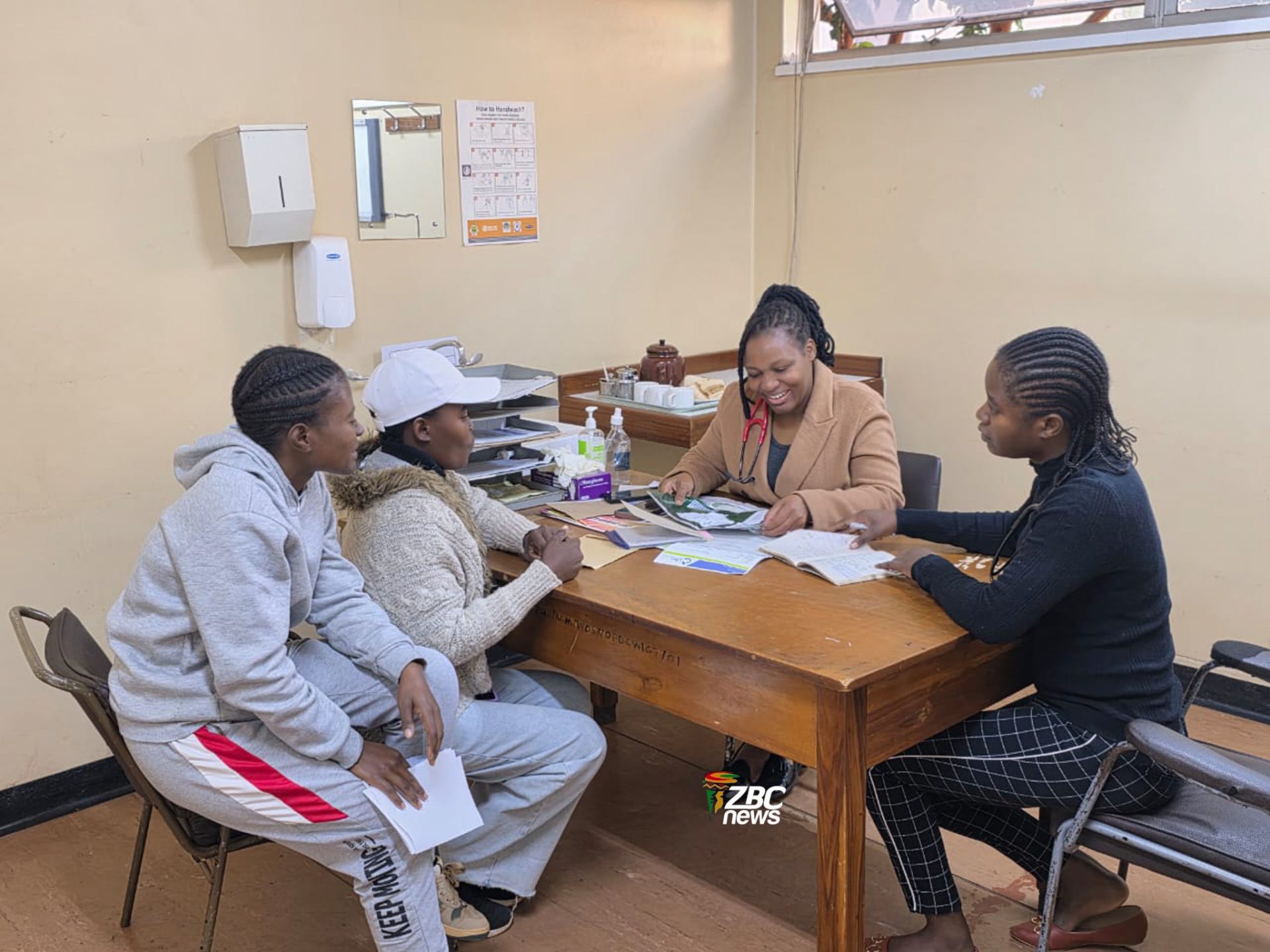
Behind her quiet determination stands her mother, Mrs Prisca Ngwira whose life has become intertwined with the routines of clinics, wards and medication.
“I found out that my child had sickle cell disease when she was three years old. She was constantly getting sick and was being admitted to hospital almost every month. At one point, doctors thought she had asthma, but she was later diagnosed with sickle cell disease.
“The journey has not been easy. We have had to endure endless hospital visits, frequent admissions and monthly medication. It has also been difficult for her because she often misses school due to her condition, and this is now affecting her academic performance,” she said.
Her story mirrors the experience of many parents who find themselves navigating a maze of uncertainty, anxiety and hope while trying to provide the best possible care for their children.
Medical experts say sickle cell disease remains one of the most serious inherited blood disorders affecting Zimbabweans.
Haematologist Dr Gilta Guta explained that the condition alters the shape and function of red blood cells, preventing them from efficiently transporting oxygen throughout the body.
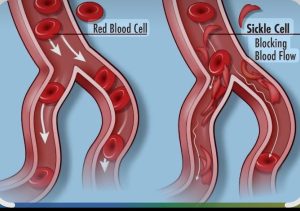
“Sickle cell disease is a disorder of the red blood cells. Red blood cells are responsible for carrying oxygen and nutrients throughout the body. In people with sickle cell disease, the red blood cells take on a sickle shape, similar to the tool used for cutting grass,” she said.
Unlike healthy red blood cells, which are round and flexible, sickled cells become rigid and struggle to move through blood vessels.
“Normal red blood cells are round and flexible, allowing them to move easily through blood vessels. However, sickled cells are rigid and less flexible, making it difficult for them to pass through blood vessels. In some cases, they block blood flow altogether.”
The consequences can be devastating.
“When blood vessels become blocked, the flow of oxygen to different parts of the body is reduced. This is particularly dangerous for vital organs such as the brain, kidneys and lungs. Reduced oxygen supply causes severe pain because tissues do not receive adequate oxygen and nutrients.”
Dr Guta said such blockages can trigger life-threatening complications, including stroke, breathing difficulties, pneumonia and kidney failure.
The condition also places an enormous burden on the body’s ability to maintain healthy blood levels.
“Another challenge is that sickled red blood cells do not survive as long as normal red blood cells. While a healthy red blood cell lives for about 120 days, sickled cells may survive for only 10 to 30 days before breaking down. As a result, the body struggles to replace them quickly enough, leading to anaemia.”
For many children, the effects extend beyond hospital walls.
“Patients may require frequent blood transfusions. Children may also experience fatigue, poor performance at school and difficulty participating in physical activities such as sport.”
The disease is inherited and present from birth, although diagnosis often comes much later.
“Sickle cell disease is an inherited disorder. For a child to have the disease, they must inherit a sickle cell gene from both parents. If they inherit the gene from only one parent, they become carriers but usually do not show symptoms.”
Dr Guta stressed the importance of understanding the genetic nature of the condition.
“It is important to understand that sickle cell disease is not anyone’s fault. In many cases, families mistakenly blame the mother, yet both parents contribute equally. It is simply a genetic condition passed down through generations.”
She added that greater awareness and earlier diagnosis could prevent many serious complications.
“People are born with the condition; it does not develop later in life. What differs is when it is diagnosed, which often depends on awareness, access to healthcare and proper screening.”
Studies indicate that between two and three percent of Zimbabwe’s population carries the sickle cell gene. Although about 500 patients have been registered, health experts believe the actual figure is considerably higher.
For families living with the condition, statistics tell only part of the story.
The real story unfolds in hospital corridors, in classrooms where children try to keep pace despite repeated absences, and in homes where parents confront uncertainty with remarkable courage. It is a story of endurance measured not in numbers, but in the determination to face each new day.
For Makanaka and countless others like her, sickle cell disease may shape the road ahead, but it does not determine the destination. Beyond the pain, the hospital visits and the setbacks lies something stronger, the unwavering belief that their dreams remain within reach.

