



Story by Providence Maraneli
ARTIFICIAL insemination is transforming livestock production in Matabeleland South, with farmers recording notable improvements in herd quality and productivity through the adoption of modern breeding technologies.
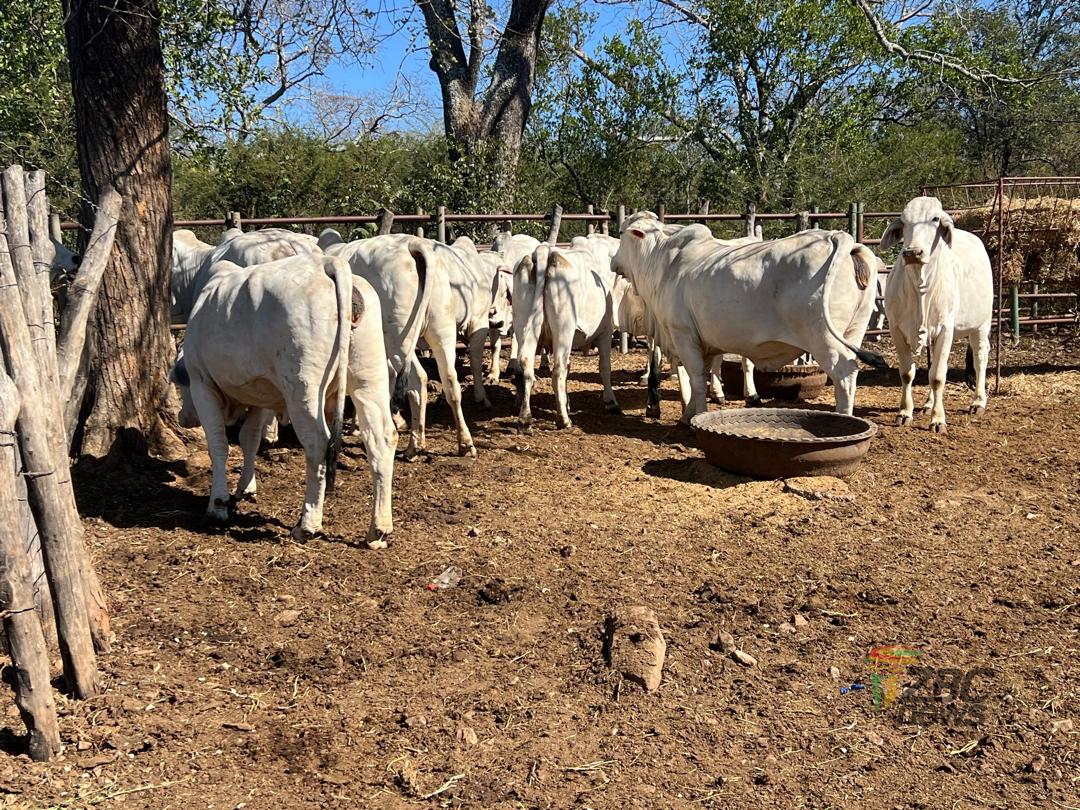
The impact is evident in Irisvale Village in Umzingwane District, where thriving White Brahman herds reflect the province’s growing success in livestock production.
The gains have been driven by a combination of interventions, including artificial insemination, fodder production, hay baling and improved water provision, alongside Government and development partner support through livestock restocking and vaccination programmes.
Renowned stud breeder Mr Jairos Mahlangu said artificial insemination has significantly improved the quality of his herd.
“We are doing well because of the strategies we have implemented. Artificial insemination has done wonders for us. We also work closely with Matopos Research Institute and have embraced silage production to improve feed availability,” he said.
The success of these interventions is reflected in the province’s cattle population, which has risen from just over 660 000 in 2025 to more than 680 000 this year.
Chief Director in the Ministry of Lands, Agriculture, Fisheries, Water and Rural Development, Mrs Madeline Magwenzi urged farmers to adopt climate-resilient livestock production practices.
“As a province, we should learn from successful farmers such as Mr Mahlangu. With forecasts indicating limited rainfall in the coming season, it is important that farmers prioritise hay baling and fodder preservation to ensure adequate feed supplies for livestock,” she said.
Government has intensified efforts to promote fodder production by providing communal farmers with inputs and extension services aimed at reducing livestock mortality and improving productivity.
Minister of State for Matabeleland South Provincial Affairs and Devolution, Honourable Albert Nguluvhe encouraged farmers to embrace modern technologies to address challenges posed by climate change and recurring droughts.
“As we continue to face challenges linked to climate change, recurrent droughts, animal diseases and rising production costs, farmers must adopt modern technologies and best management practices to improve productivity and profitability.
“These include strategic breeding and genetic improvement, improved feeding systems such as fodder production and silage making, effective disease surveillance and animal health management, water harvesting and conservation techniques, digital technologies for livestock record-keeping and market access, as well as climate-smart livestock production practices,” he said.
Government projects the livestock sector will grow into a US$3.4 billion industry by 2030, driven by increased productivity through interventions such as artificial insemination, fodder production, enhanced disease control and local vaccine production.
The continued adoption of these innovations is expected to strengthen livestock production, improve farmers’ incomes and contribute significantly to Zimbabwe’s agricultural growth agenda.

