



Story by John Nhandara
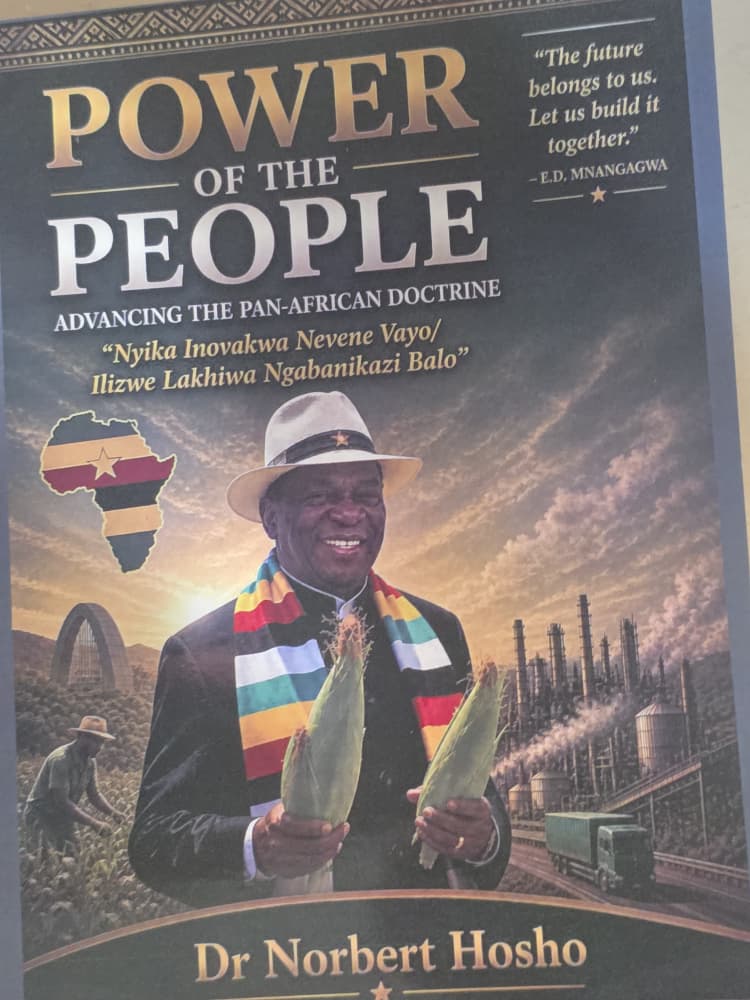
THE country’s homegrown development trajectory, anchored on citizen participation, has been captured in a new publication titled Power of the People, launched this week as a call for communities to take centre stage in shaping Zimbabwe’s economic, social, and political transformation.
The book, authored by researcher Dr Norbet Hosho, provides a structured framework outlining the role of citizens in driving national development towards long-term goals, with a strong emphasis on participatory growth and self-driven progress.
Dr Hosho said the inspiration behind the publication stems from the belief that sustainable development must be people-centred.
“Sustainable development is fundamentally enabled by its people. That really inspired me to write this book. People must participate in developing their country.”
Guest of honour at the launch, Primary and Secondary Education Minister Honourable Torerai Moyo, said the book reinforces the principle that citizens are the primary architects of their economy and development agenda.
“This book has national and continental significance. Launch of the power of the people advancing pan-African doctrine, Nyika Inovakwa Nevene Vayo/ Ilizwe Lakhiwa Ngabanikazi Balo. It emerges at a defining moment in the African continental discourse. This book is not merely a literal contribution but an intellectual intervention into one of the most philosophical and developmental conversations of our time. Documenting and contextualising a doctrine that has moved to practical implementation. The philosophy Nyika Inovakwa Nevene Vayo Vayo is rooted in a simple but profound truth that sustainable development cannot be imported, donated or outsourced but implanted and sustained by the people themselves,” he said.
The publication also advances a broader global outlook that encourages cooperation among developing nations through the exchange of technical expertise and solidarity-based development.
“In Africa, we feel the value of solidarity in the fight against colonialism and apartheid. Cuba always stands with Africa as a traveller on the road to Independence. Both Cuba and Africa have managed to break chains of oppression,” Cuban Ambassador to Zimbabwe, Ambassador Susellys Perez Mesa said.
Chapters in the book explore themes including infrastructure and productive foundations, social transformation and human development, Pan-Africanism and governance, and participatory development.

