



Story by Memory Chamisa
GOVERNMENT says it is strengthening an enabling environment for micro, small and medium enterprises (MSMEs), with particular focus on women and youth-owned businesses, as part of the Second Republic’s broader economic inclusion and empowerment agenda.
Key priorities include improving access to affordable financing and ensuring the sustainability of empowerment initiatives as authorities seek to deepen inclusive economic participation nationwide.
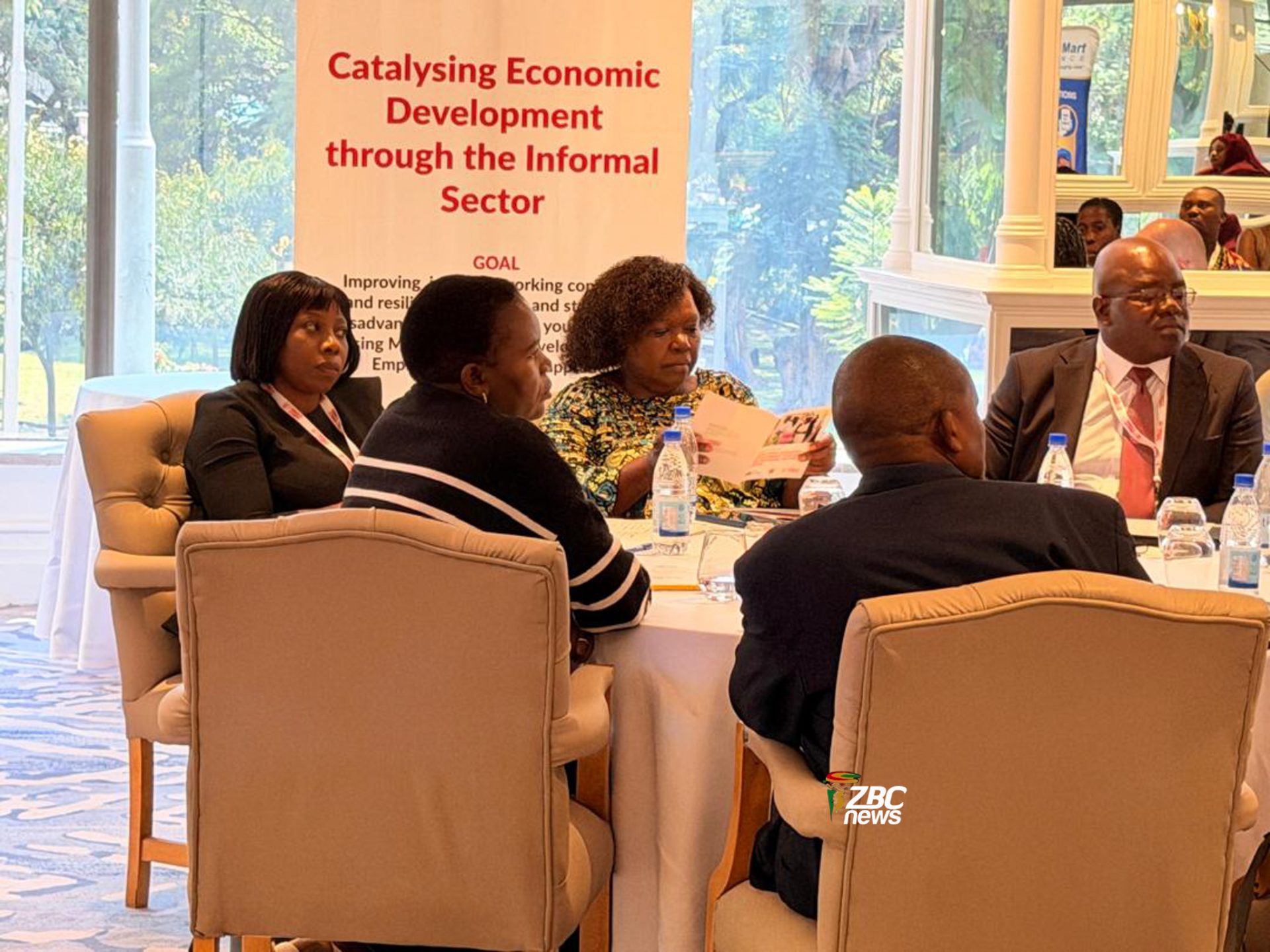
This Thursday, beneficiaries under the Catalysing Economic Development (CEDIS) programme, implemented over the past four years in partnership with Mercy Corps and the Government of Sweden, shared testimonies on how the initiative has expanded access to finance, reduced collateral barriers, and supported enterprise growth.
An entrepreneur in the detergent manufacturing sector said the programme had enabled her group to challenge traditional perceptions around women in business.
“I am a woman from the Paul Mwazha’s church and since growing up people always believed that women do not venture into businesses but I and my fellow sisters changed that narrative as we started our company on detergent making and thus has enabled us to access financial support that has aided us in buying mixing equipment and now we look forward to growing the business with the construction of a workspace that can accommodate more employees.”
A farmer from Mutare said the initiative had helped expand both production and retail capacity.
“I am a farmer in Mutare, and this programme greatly assisted me in growing my business as I managed to access funds that I used to buy refrigerators for my horticultural produce, and again I have managed to open a fruit and vegetables shop in the central business district.”
Another beneficiary, operating a car wash business in Bulawayo, said financial support had enabled her to enter a male-dominated sector and formalise operations.
“I am one of the women who took a risk and opened a car wash in Bulawayo. This business is male dominated, but I got financial advice and credit lines that enabled me to buy equipment for the business and become competitive with my male counterparts. These credit lines have also enabled us to run things by the book and do proper accounting,” a woman beneficiary said.
Microfinance institutions and inclusive financing models continue to play a critical role in bridging the gap between formal financial systems and underserved communities.
“Asset financing and matching grant models have demonstrated strong potential in enabling women entrepreneurs to invest in productive assets, improve efficiency, and transition from survivalist activities into sustainable enterprises. As we move forward, we must strengthen these models and ensure that they are scalable, sustainable, and aligned with national development priorities,” Team leader CEDIS project, Dr Nephas Munyeche said.
Permanent Secretary in the Ministry of Women Affairs, Community, Small and Medium Enterprises Development, Dr Mavis Sibanda, said digital financial platforms were expanding access, but utilisation and impact remain key challenges.
“The growth of digital financial platforms, mobile money ecosystems, and agent banking has significantly widened access points, particularly for underserved communities. However, access alone is not enough. A large proportion of economic transactions still take place outside formal systems, and many MSMEs continue to operate without meaningful access to productive finance. The gap between access and utilisation remains a key challenge. As we move into NDS2, our focus must therefore shift from access to impact, ensuring that financial inclusion translates into real economic empowerment, business growth, and improved livelihoods,” Dr Sibanda said.
Micro, Small and Medium Enterprises remain a critical pillar of economic growth and inclusion, contributing over 60 percent of the Gross Domestic Product as well as supporting livelihoods for more than 4.5 million people across the country.

