



Story by Peter Chivhima
THE rollout of the Electronic Passport system has significantly improved access to travel documents, with nearly two million Zimbabweans benefiting since its introduction in 2021.
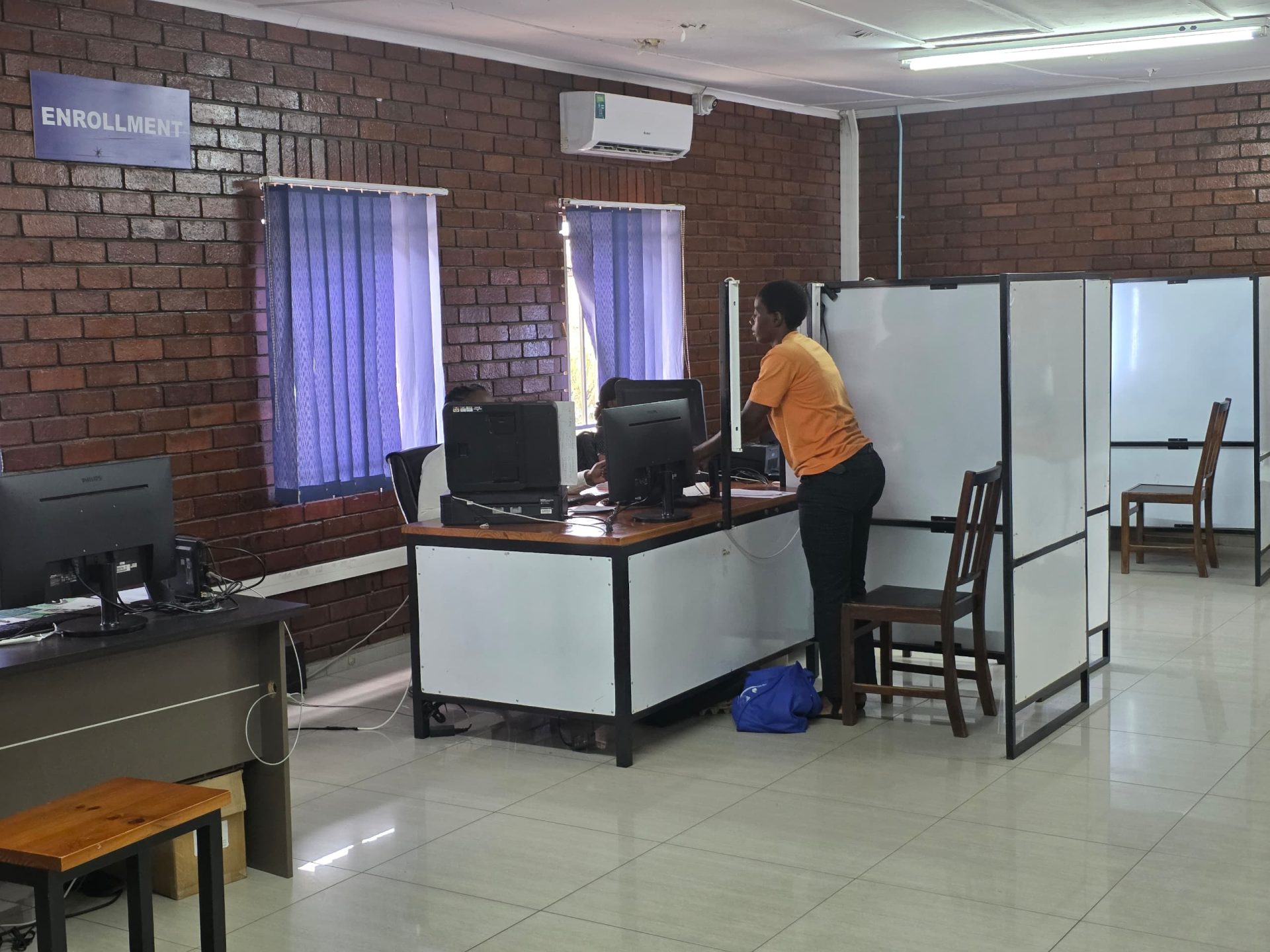
The decentralisation drive has eased pressure on centralised offices, which were previously overwhelmed by long queues, particularly at centres such as Chitungwiza Passport Office.
Before the reforms, applicants often spent long hours—or even days—waiting to process their documents. The new system has drastically reduced waiting times and improved efficiency.
“I am happy because it is now efficient. I have been assisted in less than 40 minutes, compared to the past where we used to wake up early or sleep here so that we could access the passport. We want to thank the Government for this initiative,” said a Chitungwiza resident.
Another applicant added:
“I am here and in less than 20 minutes, all my documents have been checked. This is a commendable move because I can go back home and continue with my chores.”
Others noted that services are now closer to communities.
“In the past, we used to travel as far as town to access the travel documents, but today the services are now at our doorsteps.”
Registrar General Mr Henry Machiri said the programme will continue to expand, both locally and internationally.
“To date, we have issued 1 862 394 passports. As you know, we used to operate only from our provincial offices, but today the Second Republic is decentralising to districts. We have also set up offices in South Africa. In the past, it used to take close to a year to get a passport from the date of application, but today it only takes seven days to get the document. In London, we are almost 90 percent complete with setting up our office there. In Botswana, we have already started. Plans are also on course to set up offices at all embassies,” he said.
Authorities say the continued rollout of decentralised e-passport centres is not only easing congestion at major offices but also improving overall service delivery by saving time and reducing travel costs for citizens.

