



Story by Yolanda Moyo
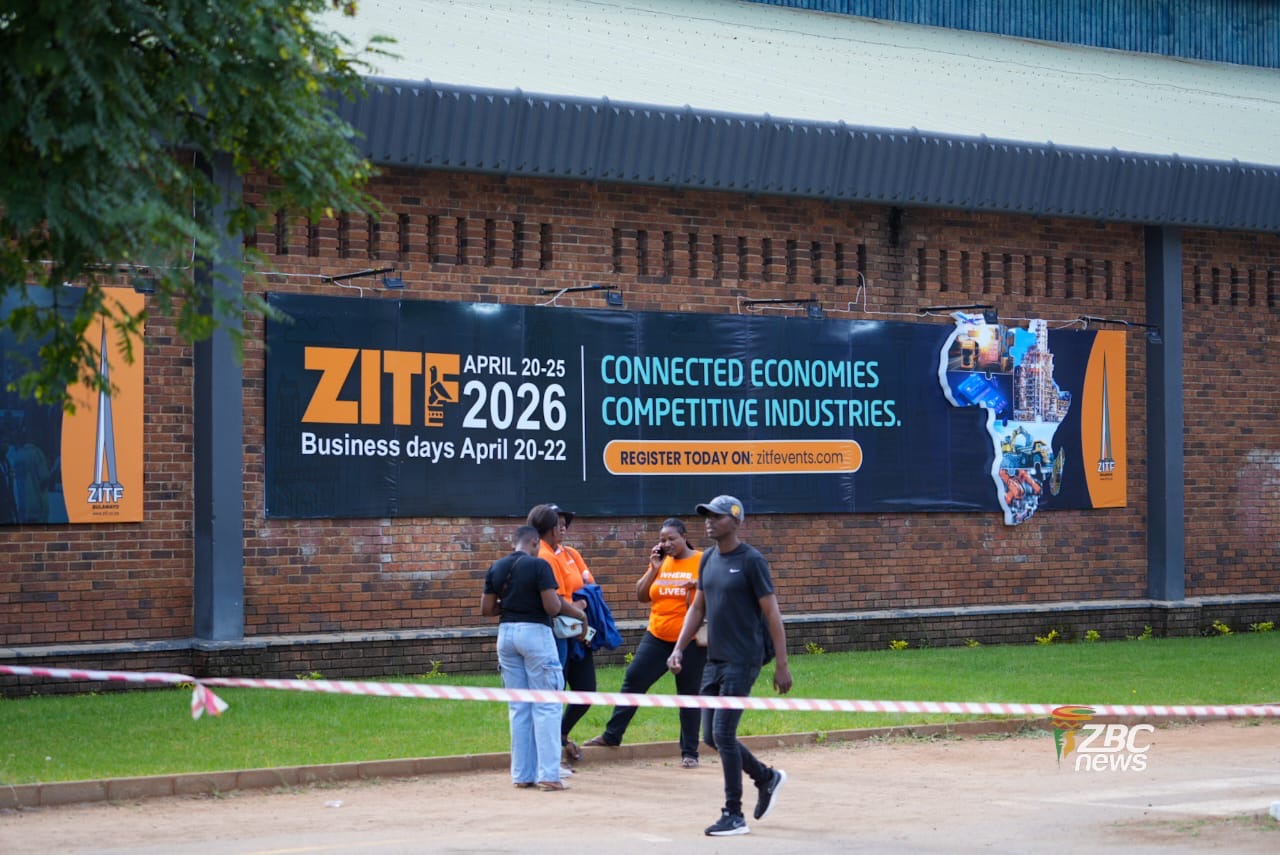
THE 66th edition of the Zimbabwe International Trade Fair (ZITF) opened this Monday with a sharp focus on industrial growth, export competitiveness and policy alignment, as Zimbabwe steps up efforts to drive value addition and private sector-led development.
Held in Bulawayo, the flagship trade showcase has drawn more than 750 exhibitors, reflecting sustained business confidence and growing international participation.
The fair continues to position itself as a key interface between enterprise and policymakers, at a time when Zimbabwe is intensifying its industrialisation drive under the National Development Strategy 2 (NDS2).
First-time exhibitors say the platform offers a gateway into formal markets and supply chains.
“This is our first time exhibiting, and the exposure is critical for us. We are looking to secure partnerships and scale up production in line with the country’s industrialisation thrust,” said Ms Audrey Kangande.
Long-standing participants highlighted the fair’s consistency in delivering tangible business outcomes.
“We have seen this platform evolve over the years. It consistently brings decision-makers and industry together, and that has translated into real contracts and expansion opportunities for us,” one exhibitor said.
“We have exhibited here for over 20 years. What keeps us coming back is the direct access to decision-makers and the ability to align our strategy with national industrial policy,” another added.
International exhibitors say Zimbabwe remains an attractive destination, particularly in sectors such as mining, agriculture and energy.
“We see Zimbabwe as a strategic entry point. Platforms like ZITF make it easier to understand the policy environment and identify local partners. Engagement with local industry players here is critical for long-term market entry into the broader region,” said international exhibitor Philip Vermeluen.
Nicholas Ndebele, Chief Executive Officer of the ZITF Company said the exhibition’s enduring relevance lies in its ability to connect business with policy.
“Over the decades, the ZITF has transitioned from a traditional exhibition into a strategic marketplace where production meets policy. It has served as a critical platform where business leaders can directly communicate the challenges they face to regulators. This dialogue has, over time, led to tangible shifts in industrial policy that have helped local industries remain competitive, even in turbulent periods,” he said.
The 2026 edition comes as Zimbabwe accelerates efforts to boost exports, scale up industrial output and strengthen investment linkages, with ZITF expected to play a catalytic role in connecting enterprises to markets and capital.

