



Story by Mercy Bofu-Matinha
GOVERNMENT has intensified efforts to unlock the economic potential of sport and the creative sector, calling for sustainable models to drive national development.
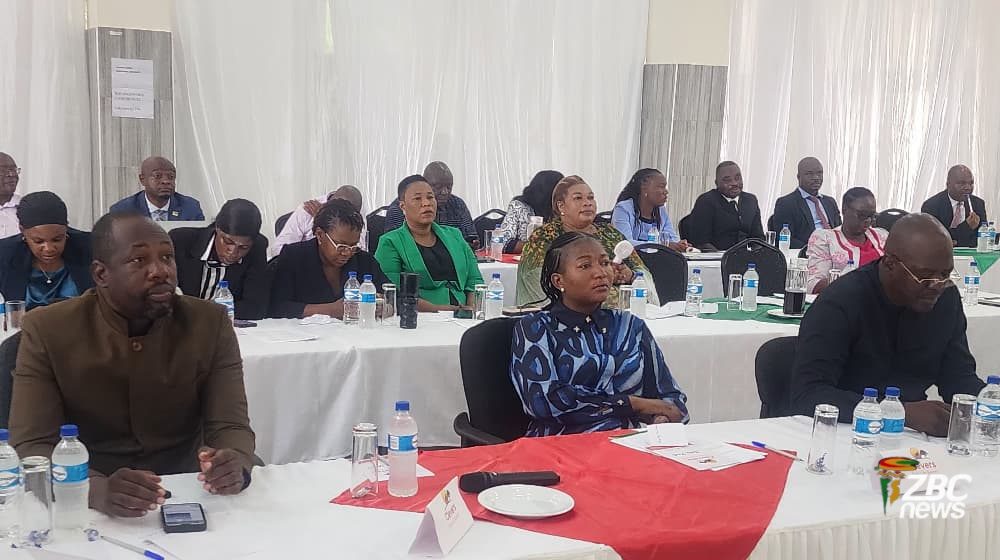
A two-day interface between the Ministry of Sport, Recreation, Arts and Culture, the Parliamentary Portfolio Committee on Sport, Recreation, Arts and Culture, and the Thematic Committee on Culture and Heritage is currently underway in Masvingo.
Officials say the engagement is aimed at strengthening collaboration and aligning policy frameworks to maximise the contribution of sport and the arts to the economy.
Officially opening the workshop, Deputy Minister of Sport, Recreation, Arts and Culture, Honourable Emily Jesaya, said deliberate investment and innovation are critical to unlocking value in the sectors.
“We need sustainable models to harness sport and arts, turning potential into real outcomes. Let’s pursue partnerships with the private sector and international organizations to foster a thriving environment for Sport, Recreation, Arts and Culture in Zimbabwe. As we invest in facilities, engaging corporates and development partners must be a priority. The PPC and Thematic Committee are interested in supporting this, and the Ministry can benefit from the expertise of Honourable members,” she said.
Chairperson of the Parliamentary Portfolio Committee, Honourable Farai Jere, said there is an urgent need to modernise legislation governing the sector.
“His Excellency the President, Dr Emmerson Mnangagwa, in the 2025 State of the Nation Address, highlighted several pending Bills from the first session up to now. These must not remain on paper. They must be prioritised, finalised, and implemented to transform the sector. It is equally concerning that outdated legislation, some dating back to 1965, is still in use, specifically the Boxing and Wrestling Act.
“There is an urgent need to modernise these frameworks so that they align with current realities and adequately support athletes and creatives. On infrastructure, we take note of the government’s commitment to prioritising sporting development and the introduction of the 7 per cent levy on local authorities. This is a progressive and commendable policy direction. However, policy on its own is not progress. What will define success is what the people can see, what the communities can use, and what the athletes can benefit from,” he said.
The interface is being held under the theme: Enhancing Collaboration for Effective Governance in Sport, Recreation, Arts and Culture in Zimbabwe.
A two-day interface between the Ministry of Sport, Recreation, Arts and Culture and the Parliamentary Portfolio Committee on Sport, Recreation, Arts and Culture, and the Thematic Committee on Culture and Heritage is underway in Masvingo.
The government says sport and creative arts can drive national development, so sustainable models are needed to turn this potential into results.
Officially opening the workshop, the Deputy Minister of Sport, Recreation, Arts and Culture, Honourable Emily Jesaya, said there is a need for deliberate investment, innovation and collaboration to unlock value in the sectors.
“We need sustainable models to harness sport and arts, turning potential into real outcomes. Let’s pursue partnerships with the private sector and international organisations to foster a thriving environment for Sport, Recreation, Arts and Culture in Zimbabwe. As we invest in facilities, engaging corporates and development partners must be a priority. The PPC and Thematic Committee are interested in supporting this, and the Ministry can benefit from the expertise of Honourable members,” she said.
The Parliamentary Portfolio Committee Chairperson on Sport, Recreation, Arts and Culture, Honourable Farai Jere, said they are working on ensuring alignment of their portfolio with modern realities, noting that some laws governing the sector are out-dated.
“His Excellency, Dr ED Mnangagwa, in the 2025 State of the Nation Address, highlighted several pending Bills from the first session up to now. These must not remain on paper. They must be prioritised, finalised, and implemented to transform the sector. It is equally concerning that outdated legislation, some dating back to 1965, is still in use, specifically the Boxing and Wrestling Act.
“There is an urgent need to modernise these frameworks so that they align with current realities and adequately support athletes and creatives. On infrastructure, we take note of the government’s commitment to prioritising sporting development and the introduction of the 7 per cent levy on local authorities. This is a progressive and commendable policy direction. However, policy on its own is not progress. What will define success is what the people can see, what the communities can use, and what the athletes can benefit from,” he said.
The interface is running under the theme, “Enhancing Collaboration for Effective Governance in Sport, Recreation, Arts and Culture in Zimbabwe.”

