



Story by Tafara Chikumira
FARMERS operating under a new joint venture at Sherwood with Midlands Acres are projecting an average maize yield of 10 tonnes per hectare, raising prospects of a bumper harvest this season.
The partnership is being cited as a model of cooperative farming, combining shared expertise, irrigation rehabilitation and disciplined agronomic practices to boost productivity.
The farmers have adopted zero tillage over the past five years and credit close collaboration with agricultural extension officers for improved results.
“Our greatest advantage is that we managed to come together as people with the same vision. Our vision was very clear. We have been practising zero tillage for five years. We have been occupying the farm. If you look closely, you will see the remains of wheat, barley and other debris from the previous season. We are good listeners to the Agriculture extension officers. We have been following closely, applying the right fertilisers and chemicals at the right time. With time, we intend to eventually end up weaning ourselves from the partnership once we acquire enough machinery,” Mr Musanhi said.
Government has commended the initiative, highlighting its contribution to food security and provincial economic growth.
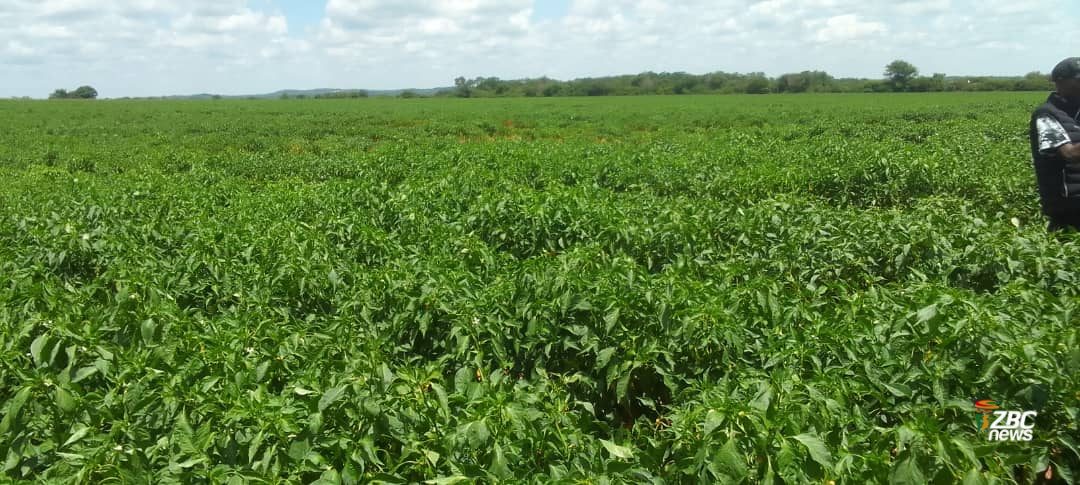
“I applaud farmers under this Joint venture for their efforts towards rehabilitation of centre pivots and restoration of the irrigation canal which facilitates drawing of water from Sebakwe River and initiating this transformational and enterprising partnership that blosters our Midlands Provincial GDP employment creation and export earnings through paprika exports to Spain and agriculture supplies to local agro-dealers and manufacturing sector that include Seed co and Delta Cooperation respectively,” said Midlands Minister of State for Provincial Affairs and Devolution, Honourable Owen Ncube.
Agricultural experts are forecasting a strong national harvest, with Zimbabwe targeting 3.2 million tonnes of cereals this season.
With annual domestic requirements standing at 2.2 million tonnes for human and livestock consumption, achieving the target would position the country to tap into export markets.

