



Story by Yolanda Moyo
ZIMBABWE has saved close to 70 megawatts of electricity after phasing out incandescent light bulbs, achieving a 99.9 percent adoption rate of energy-efficient LED lighting and significantly easing pressure on the national grid.
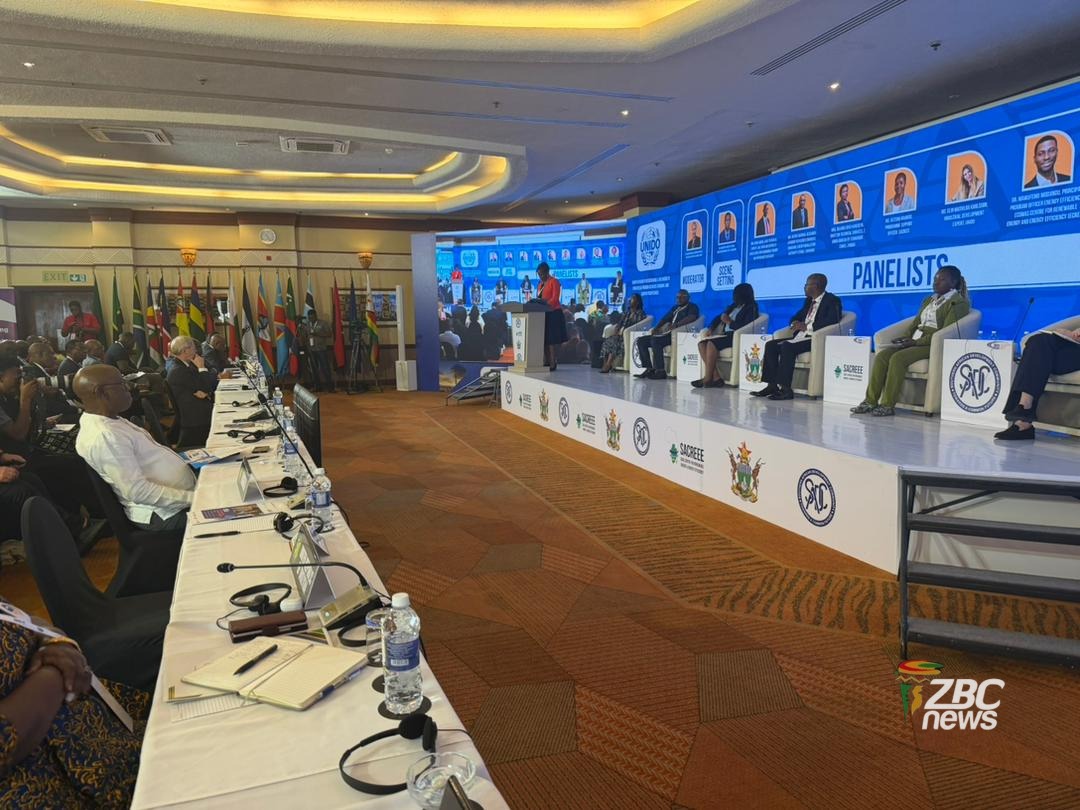
Speaking on the sidelines of day two of the SADC Sustainable Energy Week in Victoria Falls, Victor Sibanda, a research and efficiency engineer at the Zimbabwe Energy Regulatory Authority, said the transition initially faced resistance from households accustomed to traditional lighting technologies.
“We had initial challenges and mainly because it was a new phenomenon trying to take people away from the bulbs which they used to for all their lives and trying to move into new technology. So it was a bit of a struggle for us, but then at the end of the day, as a country Zimbabwe, we managed to reach around 99.9% in terms of bulbs. We no longer have incandescent bulbs in Zimbabwe… we managed to save close to about 70 megawatts of power by just doing away with incandescent bulbs and moving to efficient LED bulbs,” he said.
Sibanda noted that Zimbabwe also curbed the spillover of inefficient bulbs from neighbouring countries that had not implemented similar measures. The regulations further stimulated local industry, resulting in the establishment of four companies following the phase-out policy.
He identified limited information and awareness as the major barriers slowing the uptake of energy efficiency initiatives.
“Energy efficiency now becomes misunderstood… It appears also as the lost cousin of renewable energy. Everyone else speaks about renewable energy, and understands renewable energy, and then they invest a lot in renewable energy but not understanding that they could have a better investment with better returns had they gone for the first fuel, which is energy efficient,” Sibanda said.
He added that financiers often hesitate to back energy efficiency projects because projected savings are viewed as “virtual assets,” unlike physical infrastructure that can be used as collateral.
Sibanda called for improved communication strategies to reposition energy efficiency as a competitive advantage rather than a technical concept, arguing that it enhances productivity, expands energy access and promotes equitable resource distribution.
Authorities believe the LED transition demonstrates how targeted regulation can deliver measurable power savings while fostering local manufacturing and easing strain on Zimbabwe’s electricity system.

