



Story by Tendai Munengwa
TRADITIONAL leaders across the country are reviving the Zunde Ramambo programme in response to President Emmerson Mnangagwa’s call to strengthen food security and protect vulnerable households in rural communities.
Zunde Ramambo is a long-standing traditional practice under which chiefs establish communal granaries to store maize and other basic foodstuffs to support widows, people with disabilities and impoverished families during periods of drought or food shortages.
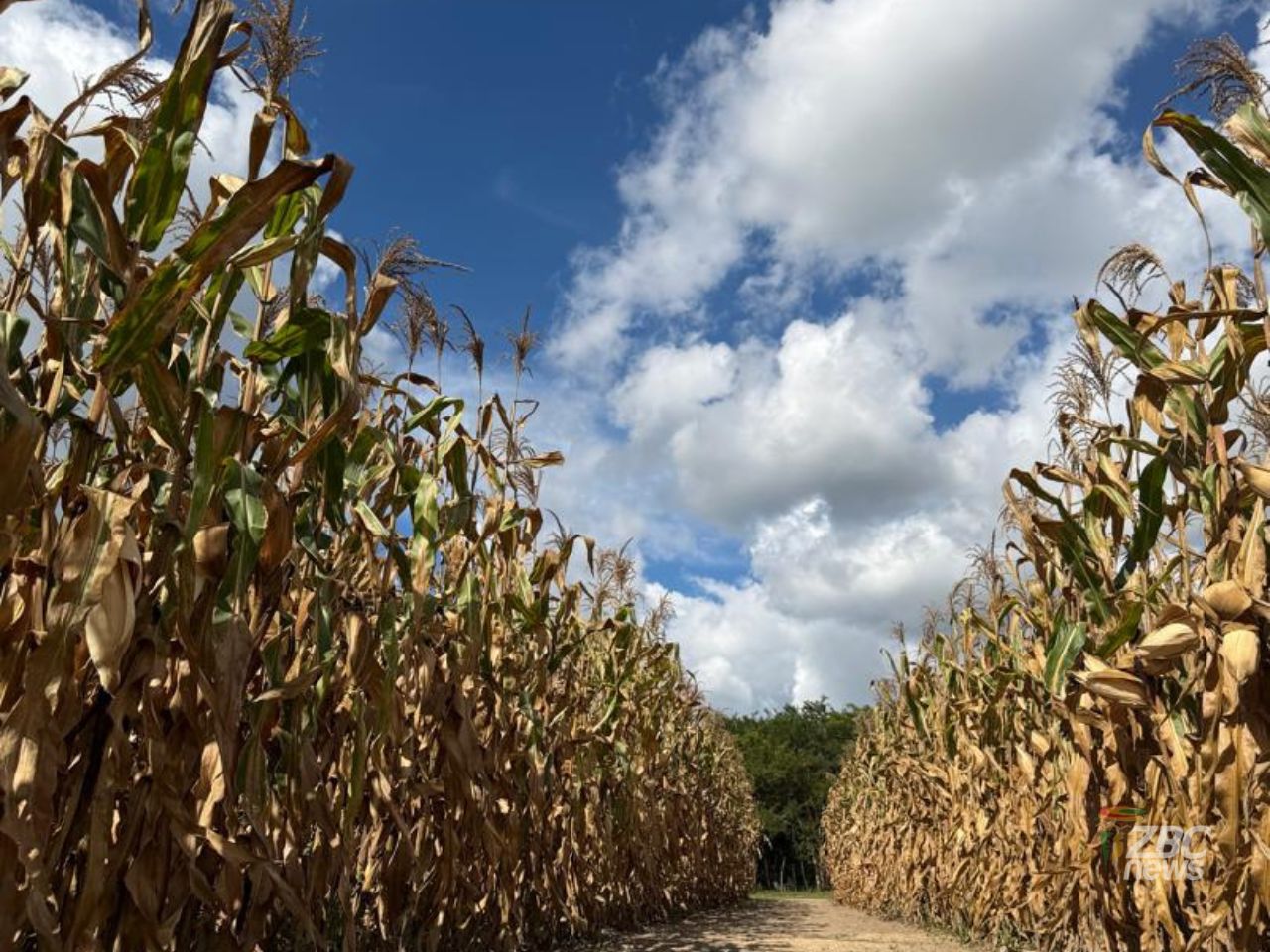
In Chiweshe, Mashonaland Central Province, Chief Negomo has emerged as a leading example after setting aside eight hectares of maize under the programme, positioning his chiefdom as a model for other traditional leaders.

“As custodians of the people in our areas of jurisdiction, we has since time immemorial the task of looking after our people and Zunde Ramambo was one such concept our forefathers have put in place to cater for needy families widows, disabled and poor families.
“As chief I have a responsibility to revamp Zunde Ramambo which is no longer there I have put eight hectares of maize so that my people who cannot fend for themselves can be assisted, so as traditional leaders we no longer want to burden the President to give us food even when we have rains,”Chief Negomo said.
The villagers in Chiweshe have paid tribute to the traditional leader for spearheading socio-economic programmes including the Zunde Ramambo concept.
“All the old people who have no source of income are registered under different programmes if you go around such homesteads where the vulnerable people are we can hear that Chief Negomo has a hand there,
“We are happy that Chief Negomo is assisting all the elderly, widows, disabled who are giving wheelchairs, and all the vulnerable, we that him for that, said a headmen In the area,”beneficiaries noted.
The revival of Zunde Ramambo concept comes on the backdrop of a landmark policy shift where President Emmerson Mnangagwa has empowered traditional leaders and instructed them to play an oversight role over government programmes and projects such as Village Businesses Units.