



Story by Courage Bushe
PRIVATE sector investments exceeding US$2.5 million are reshaping Mberengwa District, with new commercial and social infrastructure expected to stimulate local economic growth, improve access to essential services and advance Zimbabwe’s Vision 2030 agenda.
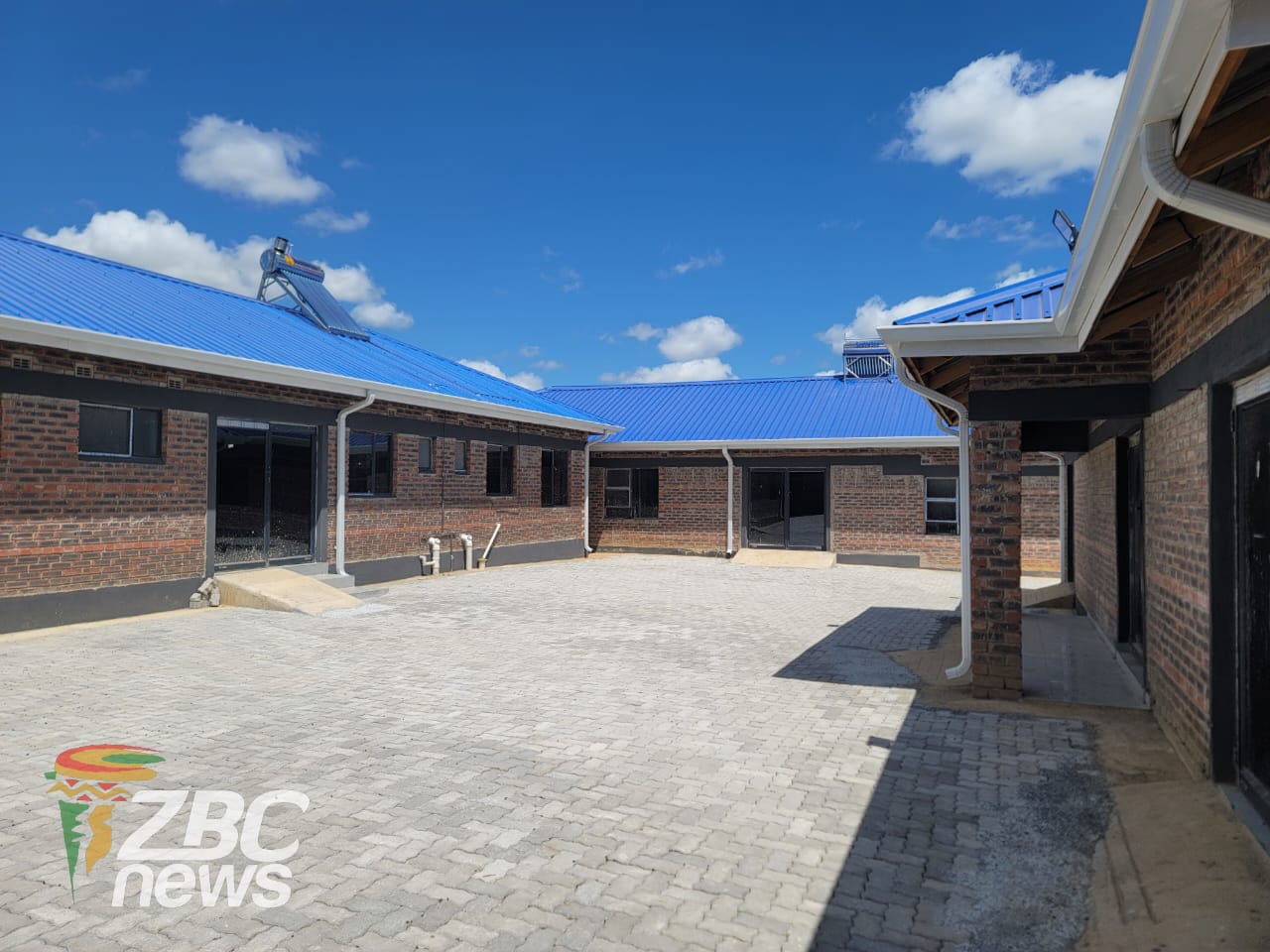
The developments, driven largely by domestic investors responding to opportunities under the Second Republic, include the completion of a shopping mall, fuel service station, casualty and conference centre, and a lodge in the mineral-rich district.
The new facilities are already easing long-standing service delivery gaps, particularly for the mining community, which has historically relied on neighbouring Zvishavane for basic and emergency services.
Local miners said the infrastructure was critical given the risks associated with mining operations, noting that access to a casualty centre, fuel and retail services would significantly reduce travel costs and response times in the event of accidents.
They said the developments reflect the government’s philosophy of Nyika Inovakwa Nevene Vayo and complement the National Development Strategy Two (NDS2), which prioritises decentralised growth and value creation at community level.
Mberengwa Central legislator and businessperson Honourable Tinashe Shumba, who funded the projects, said the investment was motivated by the need to bring quality services closer to communities that had long travelled considerable distances to access them.
He said the initiative aligns with President Emmerson Mnangagwa’s vision of inclusive development that leaves no place and no one behind, adding that improved macroeconomic stability had encouraged private sector participation.
Government officials said the investment trajectory in Mberengwa reflects the broader development momentum being driven by NDS2, with infrastructure-led growth positioned as a catalyst for economic transformation.
Midlands Minister of State for Provincial Affairs and Devolution, Honourable Owen Ncube, said the US$2.5 million GTS complex demonstrates the role of private capital in harnessing the enabling investment environment created under the Second Republic.
He said government remains committed to working with local investors to achieve upper-middle-income status by 2030, with infrastructure development forming a central pillar of that ambition.
To further attract private investment, the local authority is implementing measures to improve the ease of doing business, including reducing operating costs and streamlining processes to create a conducive investment climate.

