



Story by Tamuka Charakupa
HERITAGE-based learning is delivering measurable outcomes at Chinhoyi Technical High School, where the integration of practical skills and academic instruction is reshaping the learning experience in line with government’s Education 5.0 policy.
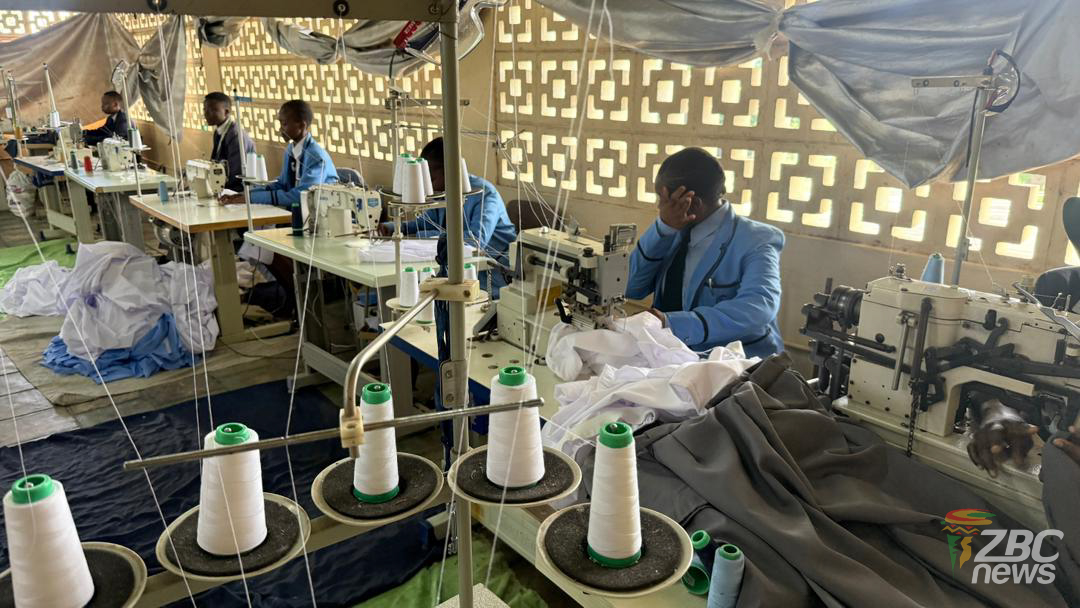
At the institution, teaching has moved beyond conventional classroom methods, with learners actively applying theoretical knowledge through hands-on training in technical disciplines such as welding, garment manufacturing, bakery and driving. The approach is aimed at nurturing innovation, problem-solving and self-reliance, while aligning education with national development priorities.
The model reflects a broader policy shift towards skills-based education designed to support industrialisation and entrepreneurship, ensuring that learners graduate with competencies relevant to the economy.
Students say the exposure has fundamentally changed their understanding of education and career pathways.
“In areas such as welding and garment manufacturing, we are learning how to design, measure and produce finished products. This has opened my mind to starting my own small business. I no longer see education as just passing exams, but as a way of creating opportunities for myself,” said one learner.
Industry practitioners working with the school say the collaboration is mutually beneficial, as it bridges the gap between classroom learning and real-world industry demands.
“In areas such as welding and garment manufacturing, we are learning how to design, measure and produce finished products. This has opened my mind to starting my own small business. I no longer see education as just passing exams, but as a way of creating opportunities for myself,” said one learner.
Industry practitioners working with the school say the collaboration helps bridge the gap between classroom learning and real-world demands.
“As an experienced tailor, working with these learners has been a valuable skills exchange. The students bring fresh ideas and enthusiasm, while we share practical industry knowledge that cannot be fully taught in a classroom. They are learning how to take accurate measurements, cut fabric correctly, operate industrial sewing machines and meet quality standards. Most importantly, they are gaining the confidence and discipline required in a real working environment,” said one instructor.
Another student highlighted that the practical exposure has better prepared learners for life beyond school.
“The shift from a purely classroom-based approach to practical learning is a game changer for us. We are now applying theory in real-life situations, which teaches us problem-solving, teamwork and accountability. By the time we finish school, we already have practical skills that give us an advantage whether we choose employment, entrepreneurship or further studies,” the learner said.
School authorities say heritage-based learning has fundamentally transformed teaching and learning processes at Chinhoyi Technical High School.
“The introduction of this model has ensured that learners are no longer passive recipients of information. They are actively involved in practical projects that develop real, usable skills. Through ventures such as driving, welding, bakery and garment manufacturing, students are gaining competencies that prepare them for employment, entrepreneurship and further technical training,” said the school’s head, Mr Blazio Chigwa.
Mashonaland West Provincial Education Director, Mr Edson Chauke, said the school provides a practical demonstration of the success of heritage-based learning.
“The curriculum aligns education with national development priorities by empowering learners with hands-on skills rooted in local realities. What we are witnessing is a deliberate shift from an examination-oriented system to one that produces problem solvers, innovators and job creators. As a province, we continue to support schools implementing this model effectively because it is key to skills development and industrial growth,” he said.
As Zimbabwe advances towards the attainment of Vision 2030, the Education 5.0 model remains central to government’s efforts to ensure that education translates into practical solutions that address societal challenges and drive sustainable economic development.

