



Story by Courage Bushe
AS Zimbabwe rolls out the National Development Strategy 2 (NDS2), Government has urged parastatals in the energy and power development sector to adopt innovative, forward-looking approaches to meet national development targets and drive economic transformation.
The call comes as the Zimbabwe Electricity Supply Authority (ZESA) Holdings accelerates power generation and infrastructure projects aimed at eliminating load-shedding and achieving universal access to electricity by 2030, in line with the Second Republic’s Vision 2030.
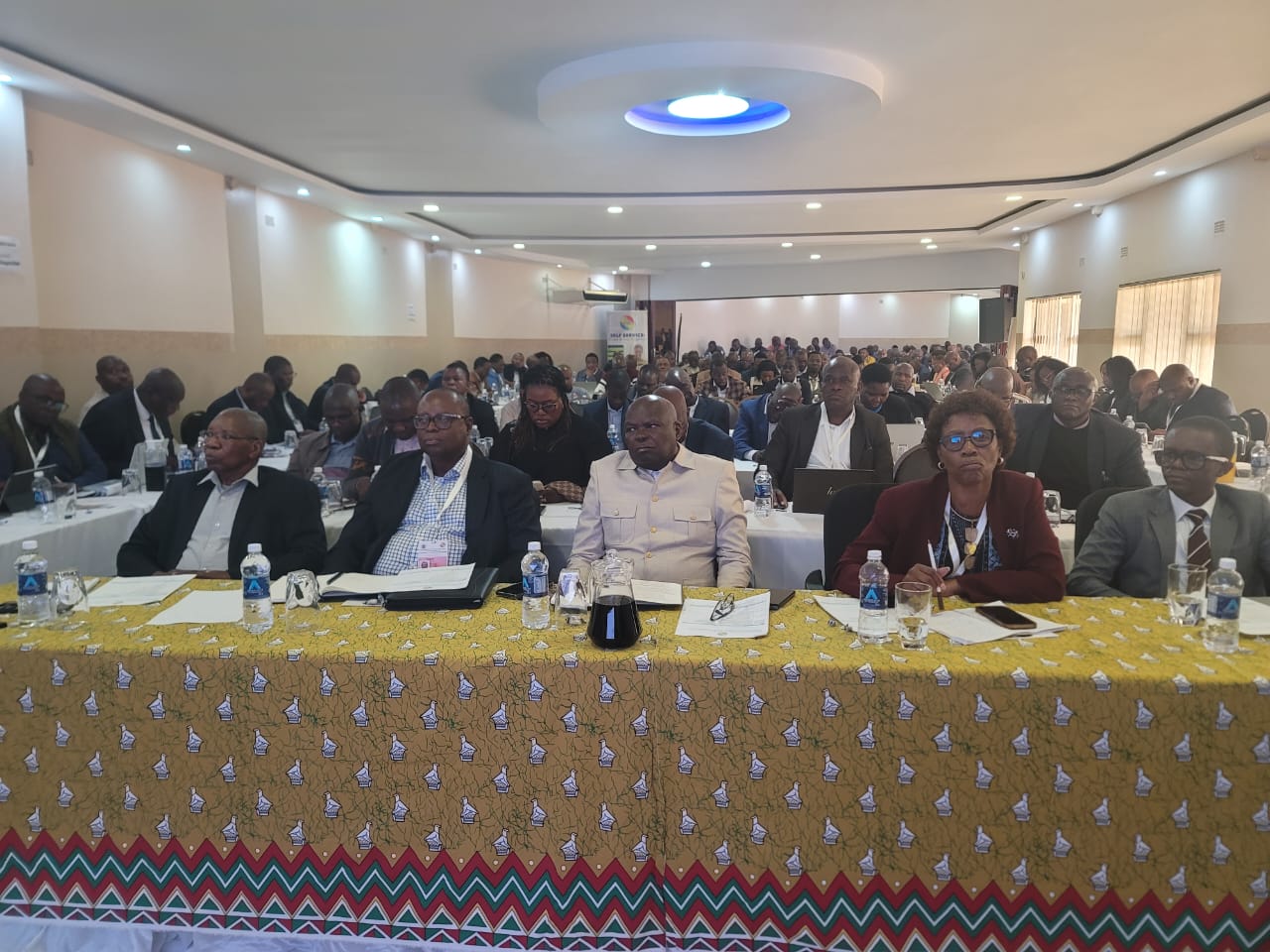
Addressing delegates at the Energy Transformation Indaba held in Gweru on Thursday, ZESA Holdings Acting Chief Executive Officer Engineer Cletus Nyachowe said the power utility has strategically aligned its operations with the country’s long-term development agenda.
“ZESA intends to end power imports by 2026, clear all connections backlog by 2027, initiate net power exports by 2028, provide a public lighting system by 2029 and complete universal access to electricity and data by 2030. ZESA seeks to transform the economy into a prosperous and empowered upper middle-income society, with a reliable energy supply identified as a core enabler of industrialisation, digitalisation, and broad-based growth,” he said.
“Electricity is considered the backbone of modern economic development, underpinning manufacturing productivity, public service delivery, mining operations, rural industrialisation, e-mobility, irrigation agriculture, and digital connectivity. As such, we call on parastatals to embrace the government vision, hence the importance of this symposium. Without a stable and affordable power supply, the targets of Vision 2030 cannot be fully realised,” Minister of Energy and Power Development Honourable July Moyo said.
In 2025, the government rolled out a range of policy instruments to guide energy planning, and these include the Zimbabwe National Energy Compact, the National Electrification Strategy, the E-Mobility Framework, the Energy Efficiency Policy and the National Integrated Energy Resource Plan (NIERP).
Collectively, they provide the backbone for energy security, diversification, low-carbon transition, and improved efficiency.

