



Story by Bruce Chahwanda, Political Editor
GOVERNMENT, under the National Development Strategy One (NDS1), established 14 innovation hubs and industrial parks across the country, a move aimed at fostering inclusive development and maximising the use of domestic raw materials.
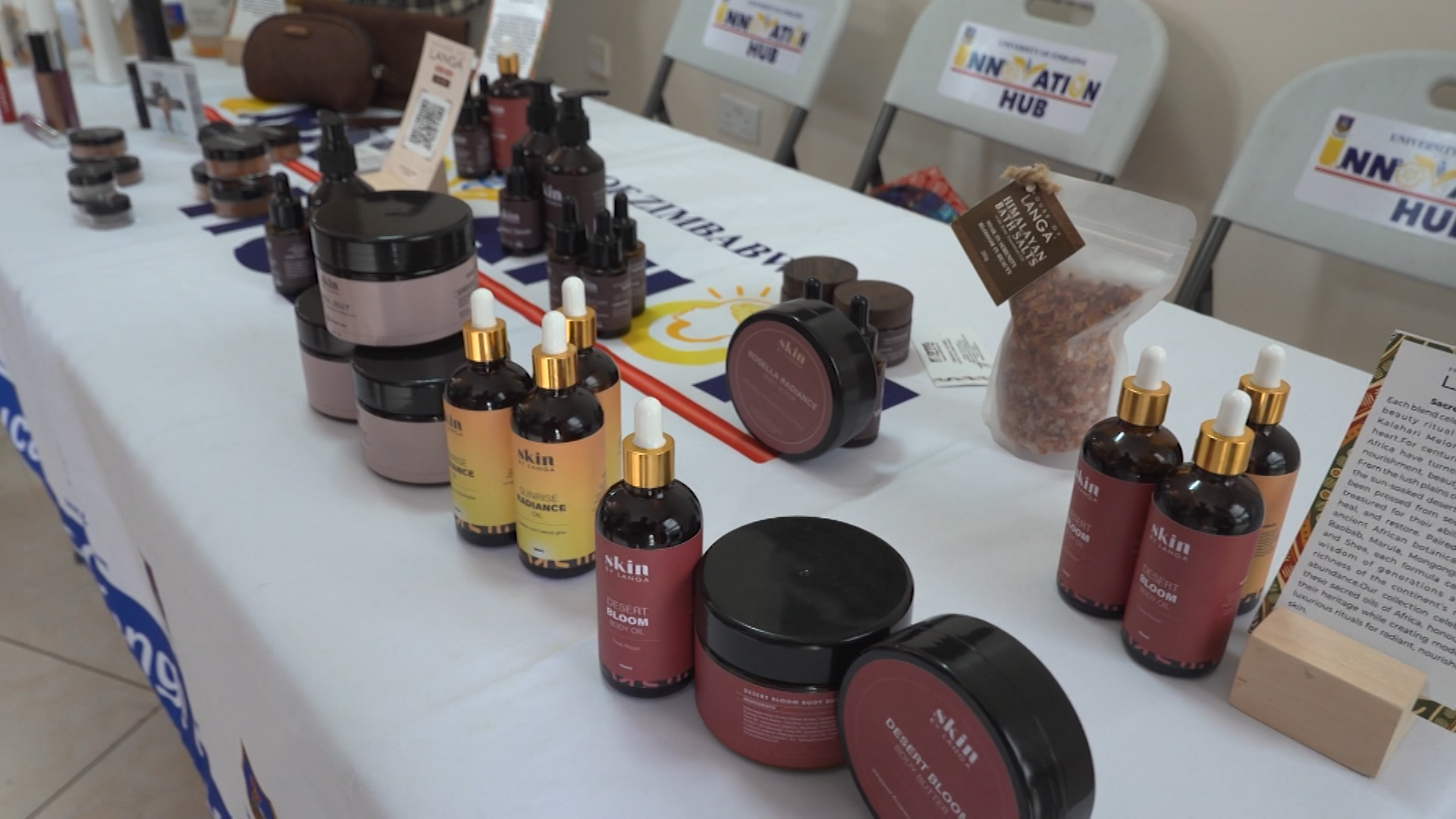
The facilities, located at tertiary institutions and strategic industrial zones, have already begun contributing to increased production, with several hubs producing commercial goods ranging from agricultural inputs to cosmetics and personal care products.
Speaking on the initiative, innovator Ms Maritha Kasambala said the hubs have been instrumental in training and capacity building.
“We got assistance from the innovation hub through training, such that all these products are a sign that we have followed the value chain from the University farm to these products,” she said.
Students and entrepreneurs are benefiting directly from these facilities.
“We developed a liquid fertiliser that can cover half a hectare per bottle. The experience has taught me a lot, and we are now commercialising our product, exploring markets across the region,” said student Mr Leon Muzanago.
“I have a passion for men’s skin care, and we utilise the University’s hub in Masasa for the manufacturing of our products. We are cultivating partnerships with health institutions for the uptake of our products,” another innovator Ms Tendai Makore said.
The initiative also leverages local raw materials, with innovators such as Ms Langelihle Sibanda sourcing indigenous ingredients from communities in Binga, Masvingo and Mashonaland Central provinces.
“We have people in Binga, in Mashonaland Central Province, and Masvingo province who are coming up with some of the raw material for us to come up with skin care products,” she said
President Emmerson Mnangagwa has reiterated the importance of registering patents in line with international best practice as Zimbabwe eyes competitiveness in the export market.
“I reiterate my previous directive that patents and prototypes being produced by our innovators must be commercialised, hence, all Government-funded innovations should be subject to systematic tracking and monitoring. We must be deliberate and more aggressive to ensure that prototypes move to pilot and that pilot products transition to the market.
“Commercialisation will not happen by accident. I urge you all, within this innovation, research, scientific and technological ecosystem, to be more proactive. Other entities in industry and the manufacturing sector, along with those in the Creative Cultural Industry, as well as small and medium enterprises, are also encouraged to register their patents to protect our proudly Zimbabwean brands, products and intellectual property. Ministries, Departments and Agencies, responsible for matters related to Intellectual Property Rights, are called upon to facilitate and guide in the filing, registration and protection of property rights,” he said
The Heritage-Based Education 5.0 Model is bearing fruit as graduates are being equipped with knowledge to produce viable products, thereby confirming the robust education ecosystem.
Some of the products produced have already hit the foreign market, for instance, cosmetics, while others are still at various stages of development.

